The Story
'Looking at the past with the eyes of the future' is what lead Ferrari to create its new type of manual transmission.
Never fall in love with the technology.’ For a man whose career is intrinsically linked to the technology sector, Benedetto Vigna is by no means a slave to the industry that propelled him to the role of Ferrari CEO in 2021. ‘When you fall in love with the technology rather than the product, you fail because you stop listening to the customer,’ he says. ‘You present to them this piece of technology you are really proud of and they say, “So what?. What does it do for me?” If you can’t answer that, then the product is wrong.’.
Vigna’s rise to the chief executive’s office within the ever-expanding Maranello site (the latest addition is a 32,000-square-metre educational hub, due to open in 2029 to give high school and university students a pathway into automotive technology) is not that of your traditional automotive CEO. His story isn’t one that took him from the factory floor to the boardroom, nor has he worked his way through the supply chain to eventually walk through the gates as an employee rather than a supplier.
His appointment at Ferrari raised eyebrows, and some of the decisions taken since have done rather more than that. ‘Between May 25 and July 3, 2026, were the best 40 days of my working life,’ he says with a mischievous grin and more than a hint of a chuckle. ‘I could hear what they [commentators] were saying. I was reading what they were putting on social media. They were guessing what Ferrari was going to be doing in the future. Even my father, who I didn’t talk to much about this car, said, “Benedetto, are you only going to be building electric cars?” I said no, but who told you this?. Everyone might have been saying it, but I never said we would [only build electric cars].
‘During Capital Markets Day on 16 June 2016, Ferrari said it would offer internal combustion, hybrid and electric. We have never said we would only do electric cars. The public can have a short memory; thankfully ours is longer.’.
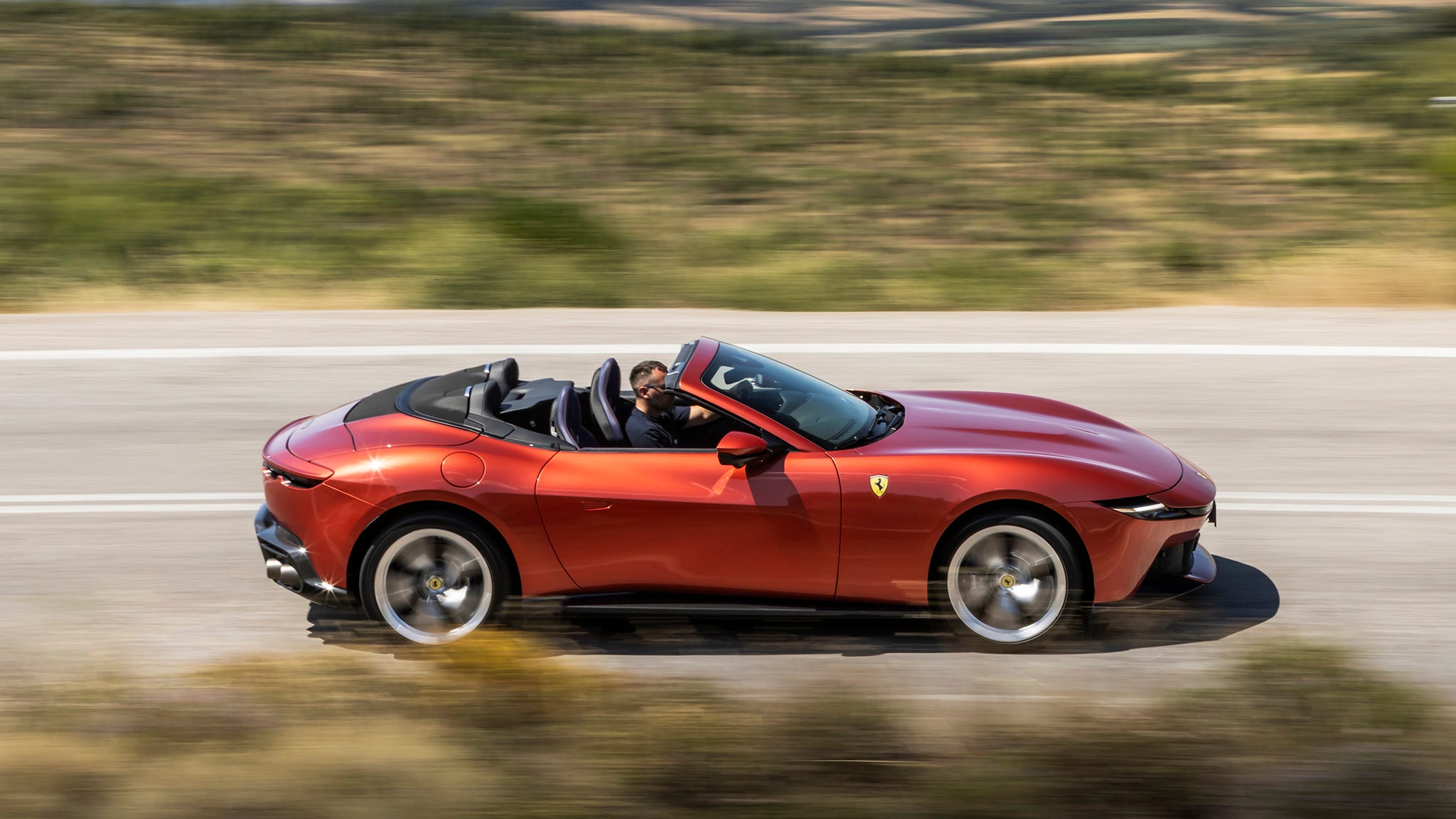
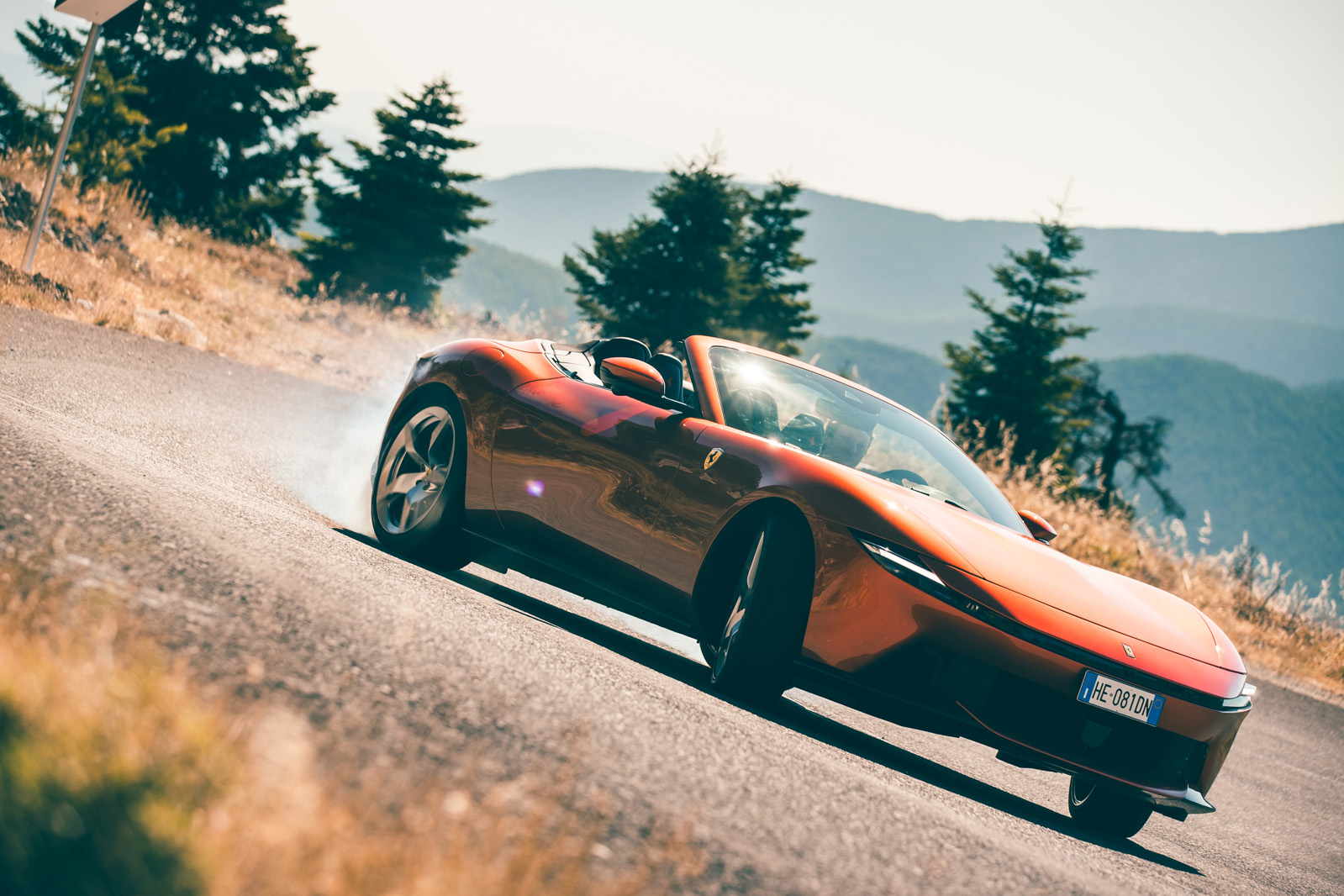
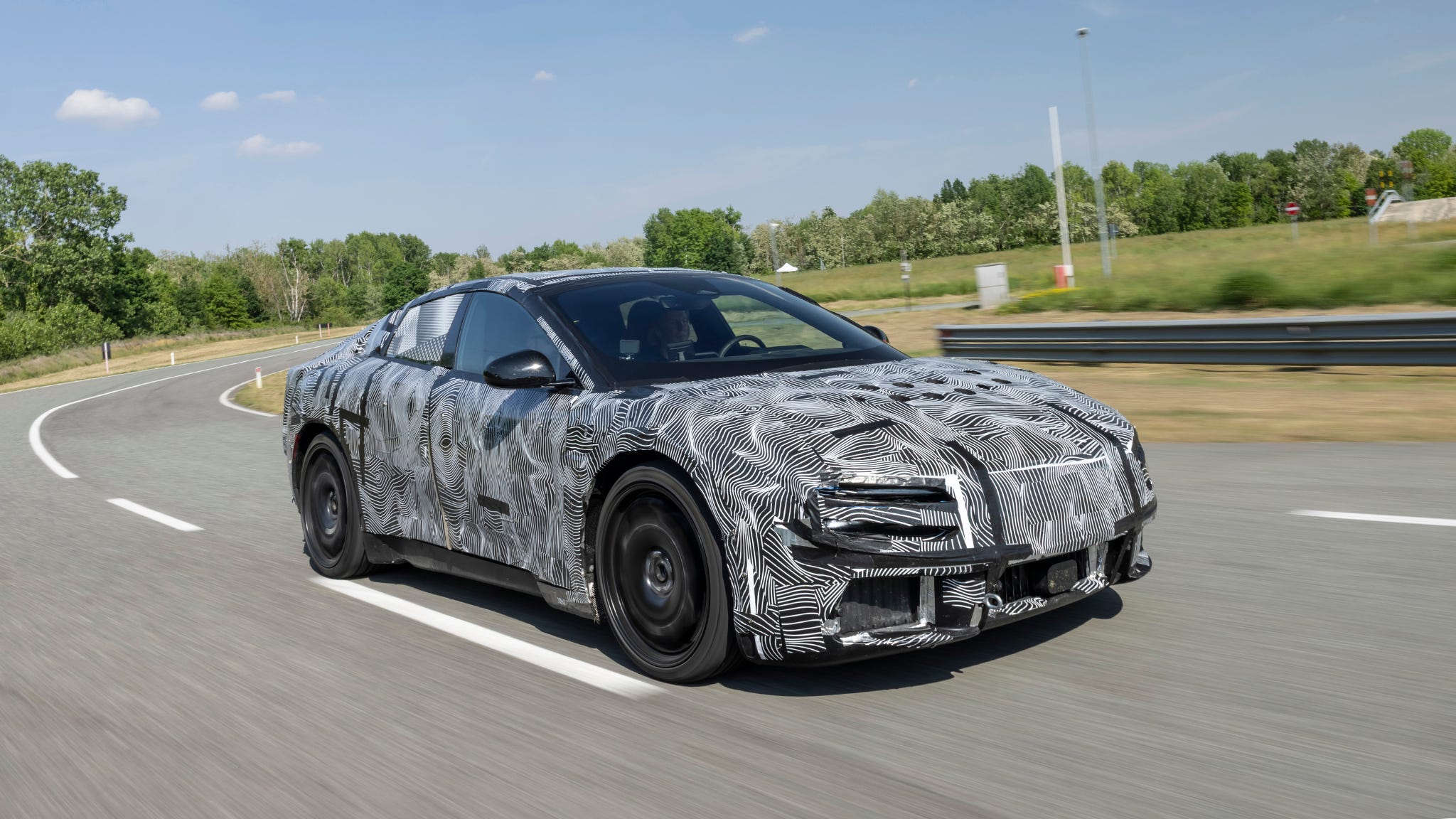
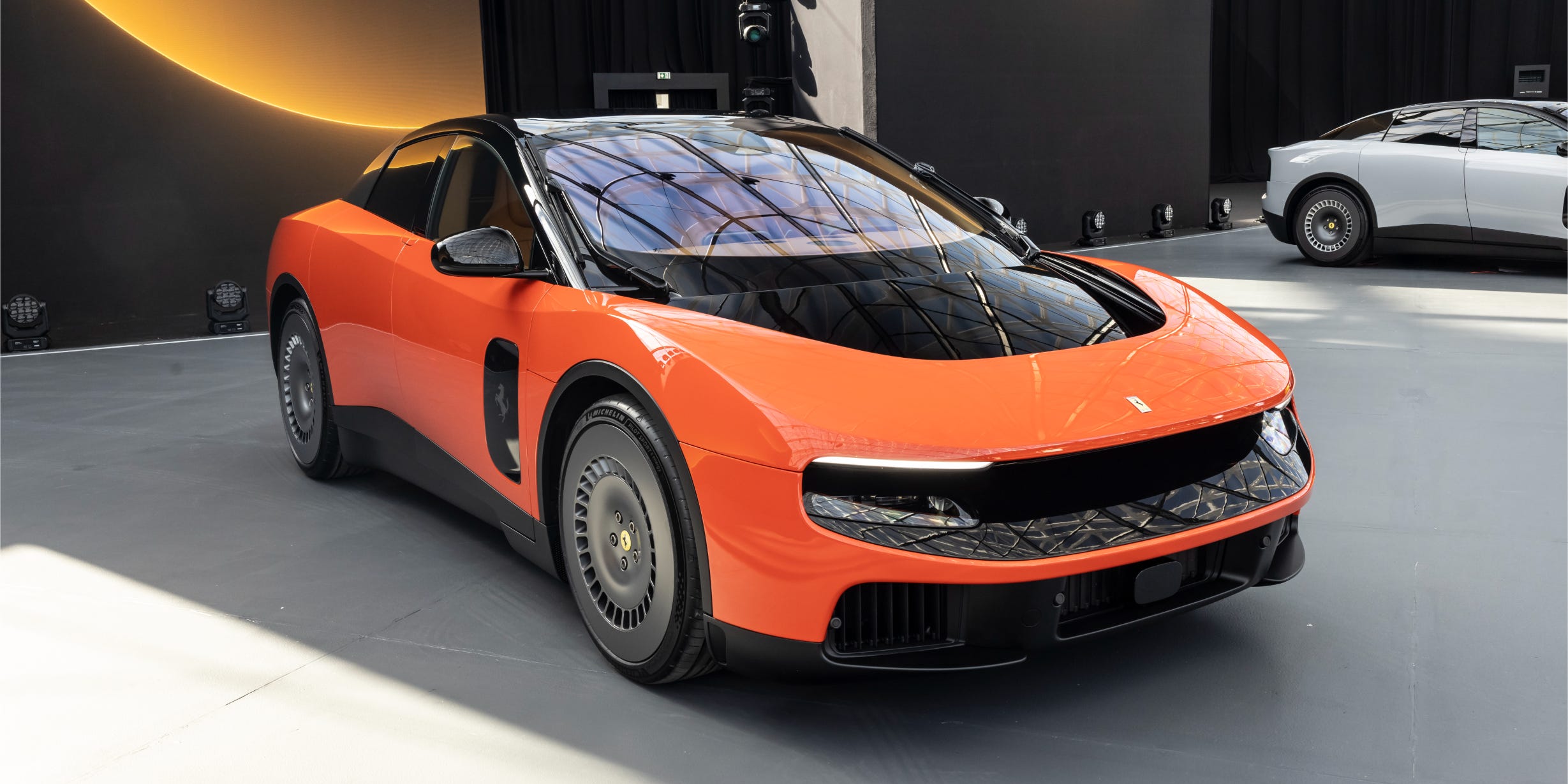
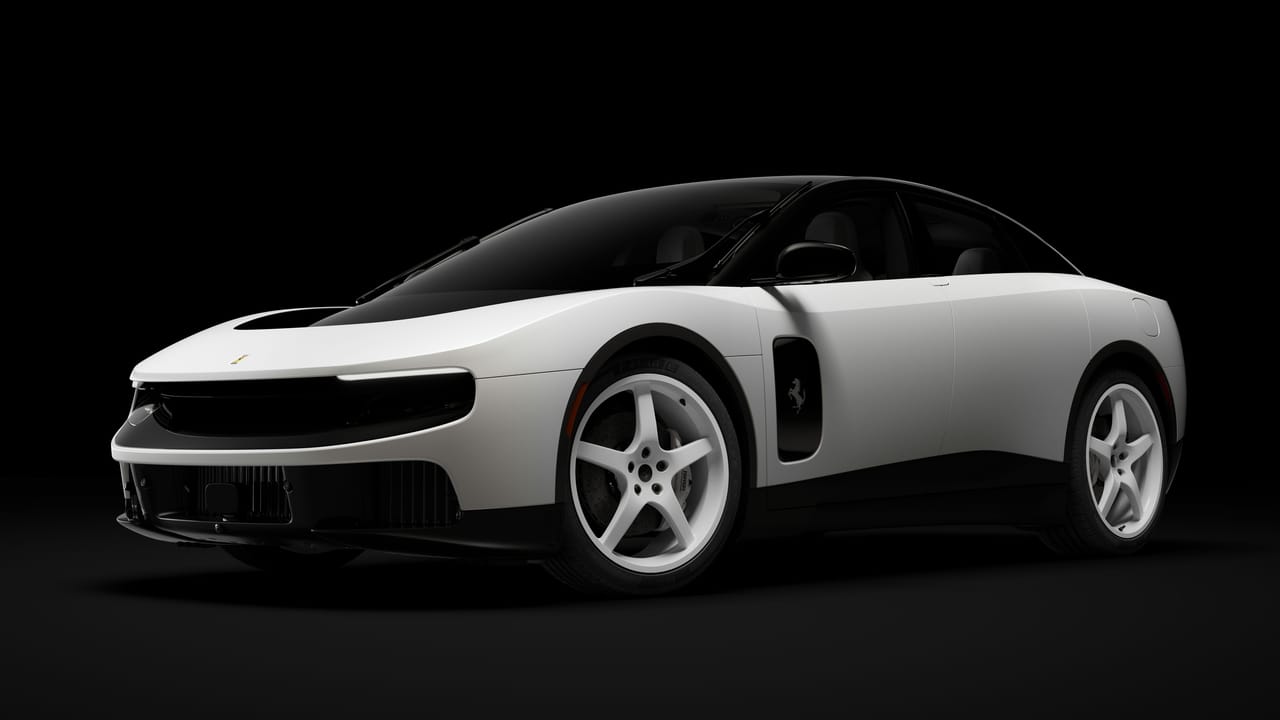
You’ve possibly worked out the significance of those dates: May 25 and July 3. The former was the day the world lost its mind with the reveal of the Luce EV. Forty days later, Ferrari invited the media back to Maranello to see the latest addition to the stable: the 12 Cilindri Manuale. And yes, the world had questions about this, too.
Vigna had pushed for a manual transmission because it was a request he was getting from customers, only to be told by the engineering team that such a development wasn’t possible. In 2025, the then chief marketing officer Enrico Galliera went on record to say that if customers wanted a manual Ferrari they should buy a classic. Vigna didn’t go out and buy a classic Ferrari, but he did drive the company’s own 275 GTB, which convinced him even more that Ferrari needed to offer a manual transmission once again.
‘Our customers wanted to replicate the experience of driving manual cars from their past,’ he explains, sleeves rolled up, jacket long dispensed with in the 40-degree heat that’s making the air-con work harder than a hire car whose occupants are late for a flight. ‘We interpreted their need – the emotional, tactile experience – rather than the specific mechanism [in this case a traditional mechanical gearbox], which we had previously deemed impossible and outdated.’.
The result of this thinking is the 12 Cilindri’s manual gearbox. It takes the eight-speed DCT unit that has been fitted to the car since its launch and retains all the functionality of that transmission but minus the paddles behind the steering wheel. Instead there’s a redesigned transmission tunnel on which sits an H-pattern open gate and a lever with which to snick between the first six gears.
So far, so good… except that there is no physical connection between the manual shift and the DCT. It’s exclusively a by-wire setup. Or in the words of the internet, not a manual. ‘We broke down what it was the customer wanted: a physical act of changing gear,’ says Vigna. ‘How we presented this, they had little interest.’ He points out that drivers of older manual cars never asked how their manual gearbox worked, the materials used and the linkages required to go from the shift lever to the gearbox internals and driven axle, and that hasn’t changed today. ‘Steering, brake, throttle – it’s all by-wire, so the customer doesn’t question this technology. The Manuale is the next innovation.’.
Vigna had told his engineers to look outside automotive for solutions, which is how Ferrari became involved in sailing and the development of the Hypersail ocean-racing yacht. ‘We developed a by-wire winch system for sails [above] and asked sailors to try it against their traditional winch with rods and gears. They didn’t notice the difference, or care. The by-wire winch did the same job, gave them the same sense of connection, and they could make the same adjustments as their traditional winch. But winch-by-wire is quicker, less complex and lighter. It does the same job as a winch from the past, but with technology from the future.
Why It Matters
So far, so good… except that there is no physical connection between the manual shift and the DCT.
CarMotion Daily’s Take
Forty days later, Ferrari invited the media back to Maranello to see the latest addition to the stable: the 12 Cilindri Manuale. Watch this space over the coming weeks.
📝 Source & Copyright Notice
This story was first reported by Evo-GN. For the full article with original photography and complete coverage, visit the source: Read the full story at Evo-GN →