The Story
Who won the 1981 Indy 500? You be the judge.
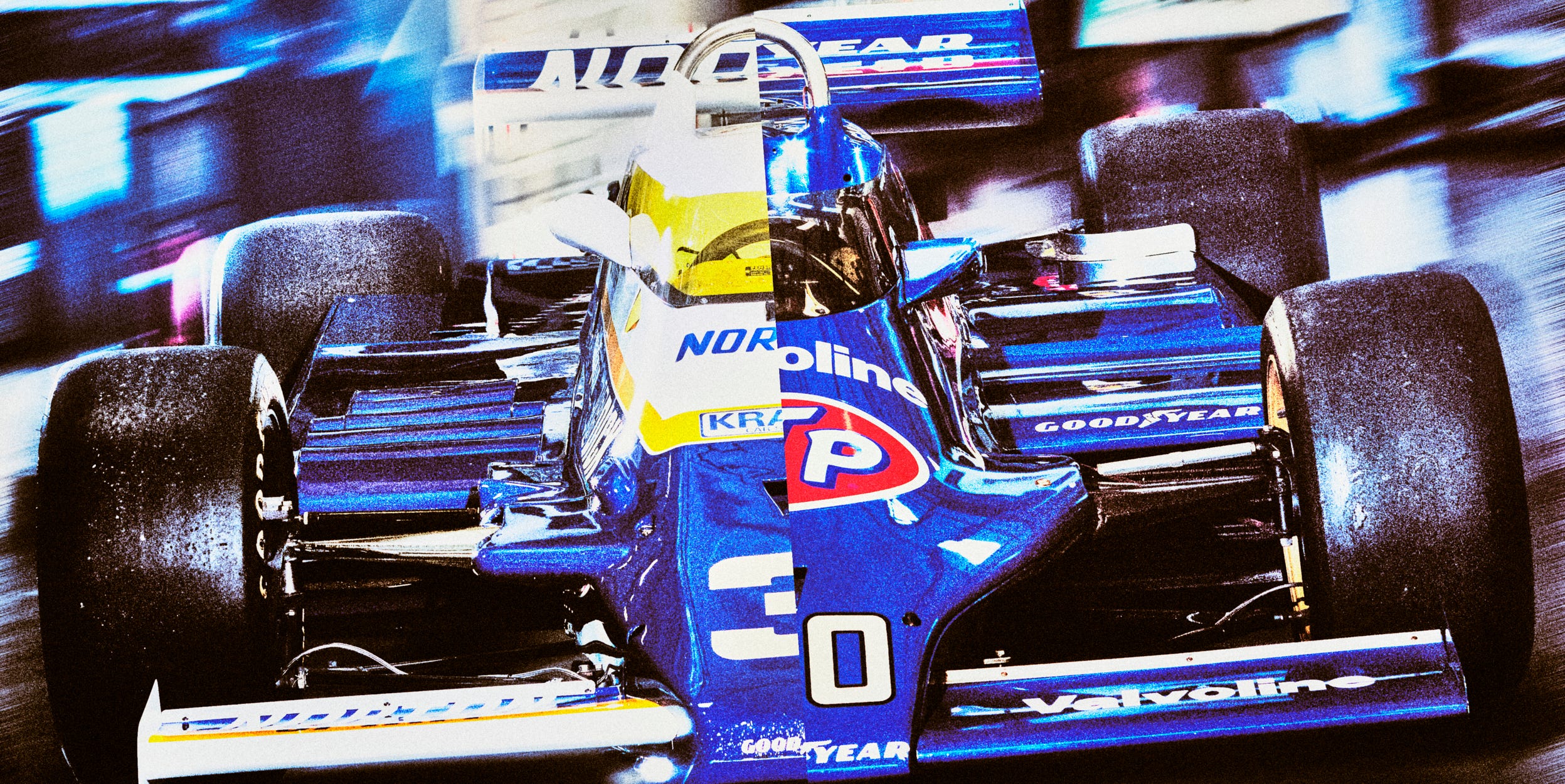
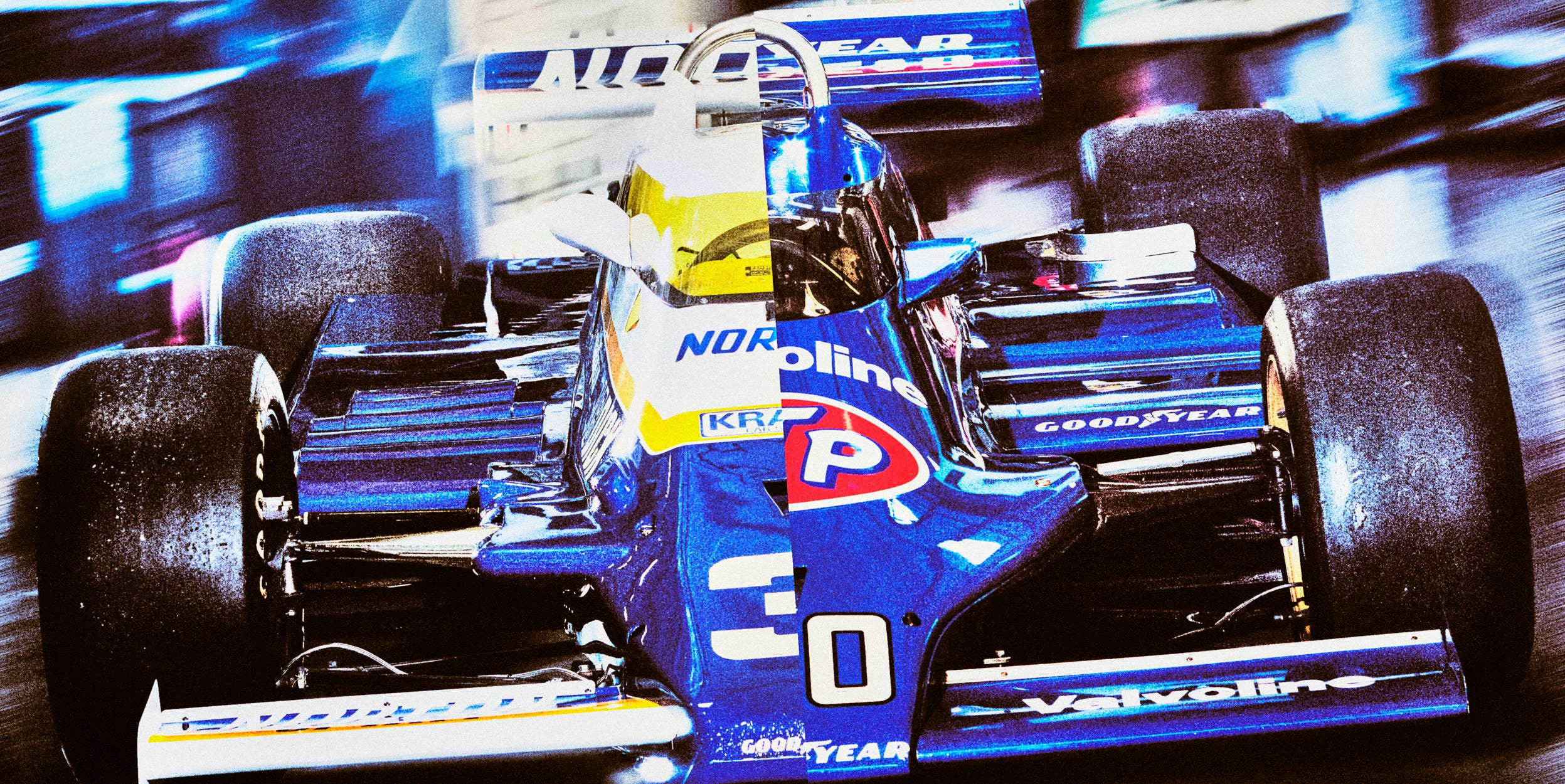
Following a yellow caution flag, the two leaders—Mario Andretti and Bobby Unser—jumped into the pits to top off their fuel for a final 190-plus-mph push to the finish. Unser, in the No. 3 Norton Spirit Penske-Cosworth, pulled out first, with Andretti directly behind in the No. 40 STP Wildcat-Cosworth. As Unser reached the end of pit lane, the pack cruised by behind the pace car. Because of the caution flag, Unser was supposed to blend into the pack, maintaining his position from the end of pit road, but instead, he stayed on the apron and hit the throttle.
“What’s he doing!?” belted the TV announcer Jim McKay. “He’s passed about a half dozen cars under the yellow. You can’t do that!”. Andretti was exiting pit road, behind Unser. “He passed four cars on the yellow,” Andretti said after the race. “He kept right on going to the front, then he blended in. . I couldn’t believe my eyes.” Andretti radioed his engineer, Jim McGee. “What should I do?!” he recalls saying. “Bobby went right up to the front!”.
“Stay where you are, stay where you are,” McGee responded, according to Andretti’s recollections. Andretti’s team owner, Pat Patrick, informed race officials of the possible infraction after hearing from McGee. But the stewards did nothing—at least not in the moment. Fifty-one laps later, Unser crossed the finish line first in a race that had seen blowups, blowouts, a driver on fire, and debris flying into the stands. In victory lane with his wife proudly looking on, “Ol’ Bobby” held up three fingers in front of approximately 400,000 fans and millions more who saw on TV. He had won the Indy 500 for the third time. Or had he?.
That night, racing stewards watched the tape and argued for hours. Soon the nation’s sports pages reported . . What?. Confusion. “Hold all tickets—this year’s Indy 500 isn’t over yet,” read one headline. For the first time at the Greatest Spectacle in Racing, there was no clear winner. It wasn’t just victory honors at stake; tens of thousands in prize money was hanging in the balance. Both drivers dug in. “There’s no doubt in my mind that I won the 1981 Indy 500,” Unser told reporters. To which Andretti responded, “Bobby’s done things like this . . Only this time he got caught—like Nixon.”.
In fact, the story would have more twists and turns than the Brickyard road course. The only thing for sure is that the Indy 500 race stewards and the sanctioning body, the United States Auto Club (USAC), had a historic mess on their hands.
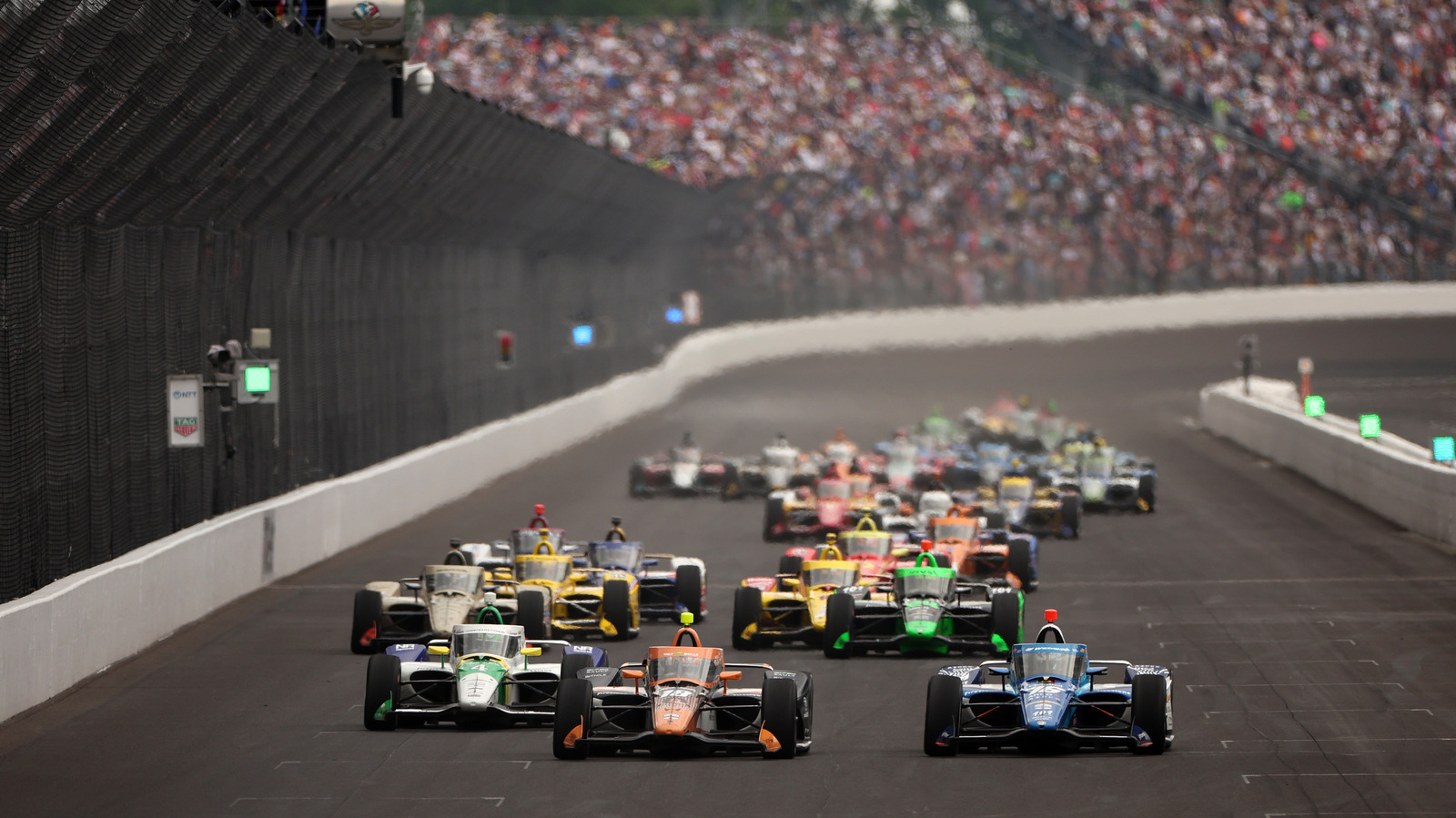
Even before the 65th Indy 500 rolled on May 24, 1981, the event was history in the making. Seven former winners were on the grid. The green flag saw the usual flash of colorful fuselages firing forward and the deafening clamor of 33 engines reaching peak rpm. “I’ll never forget the chills you get at the beginning, the roar of the crowd, heading into that first turn,” said Bill Whittington, who had been a 500 rookie the year prior.
Meanwhile, Andretti was attempting to do the impossible. Due to a penalty during qualifying (an absence, actually, as Andretti was racing in Formula 1 in Europe and couldn’t attend all of Indy qualifying), he was forced to start at the back of the grid. No driver had ever won from the last row. Lap after lap, Andretti wove through traffic, using all his skill and all the speed he could squeeze from his Ford-Cosworth DFX V-8.
Unser, the pole sitter, had the most speed on race day, however. “Look at that!” Stewart yelled into his microphone midway through. “Bobby Unser is just driving anywhere on this racetrack and seems to be able to be overtaking anyone.”.
Then came lap 149. Only three drivers were on the lead lap: Unser, Andretti, and Gordon Johncock. When a crash occurred at Turn 4, and the yellow flags waved, all three headed into the pits. When they exited, the controversy began, even if most folks at the race didn’t realize it yet.
When you watch it on YouTube today, you can clearly see Unser passing cars during the yellow and hear the stunned announcers questioning the move. Adding to the controversy was the fact that the race was aired with a tape delay later that night, so the TV announcers were already aware of the kerfuffle before adding their commentary in postproduction. Would they have been so emphatic if they called the race in real time?.
Technically, Unser’s initial victory on Sunday was unofficial, but not because of the circumstances: The official results wouldn’t be physically posted at the track until Monday morning at 8 a.m., per protocol. For the first time in history, the fans left the Brickyard thinking they knew who had won but then found out otherwise—because at some point during the night, the stewards pulled a 180 and decided Andretti was the victor.
Why It Matters
Technically, Unser’s initial victory on Sunday was unofficial, but not because of the circumstances: The official results wouldn’t be physically posted at the track until Monday morning at 8 a.m., per protocol.
CarMotion Daily’s Take
Fifty-one laps later, Unser crossed the finish line first in a race that had seen blowups, blowouts, a driver on fire, and debris flying into the stands. Watch this space over the coming weeks.
📝 Source & Copyright Notice
This story was first reported by RoadandTrack. For the full article with original photography and complete coverage, visit the source: Read the full story at RoadandTrack →