The Story
Plus, Porsche.
In this morning’s edition we’re looking at Elon Musk’s social media pushes for FSD in Europe, and Porsche’s plans to raise prices. We’ll also look at Honda shuffling its U.S. Production, and Nissan’s terrible horrible no good very bad sales year.
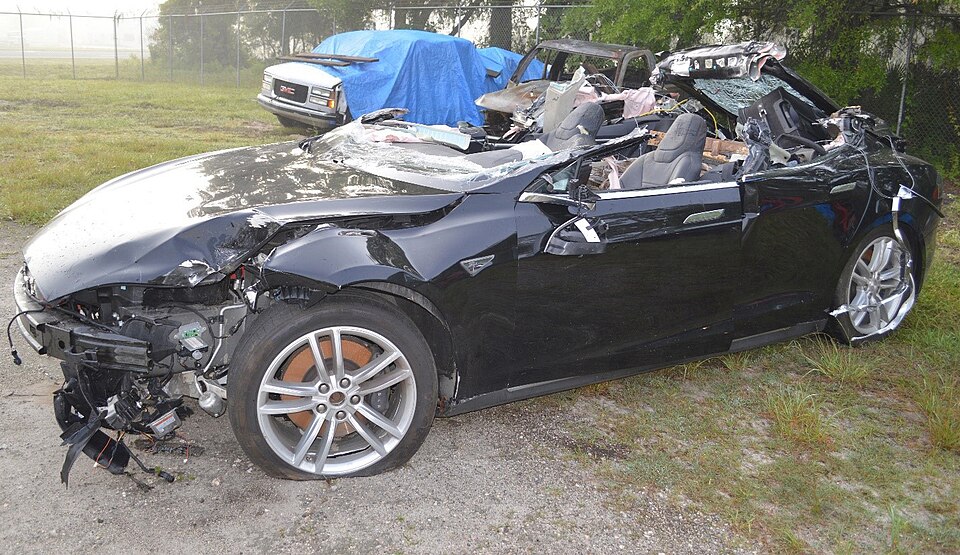
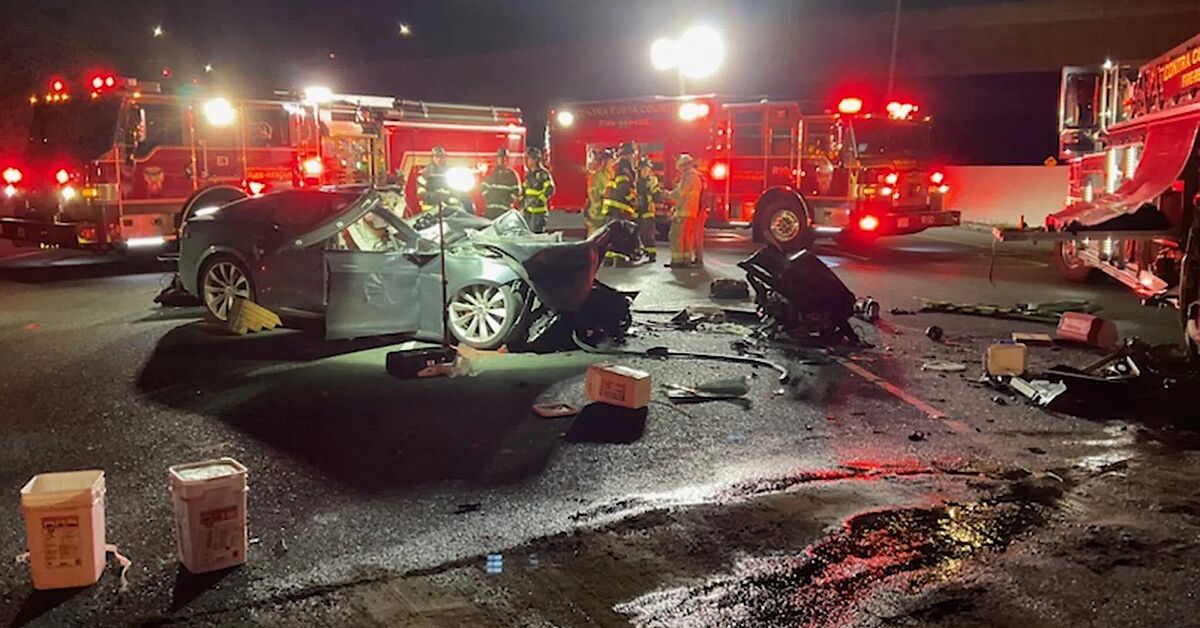
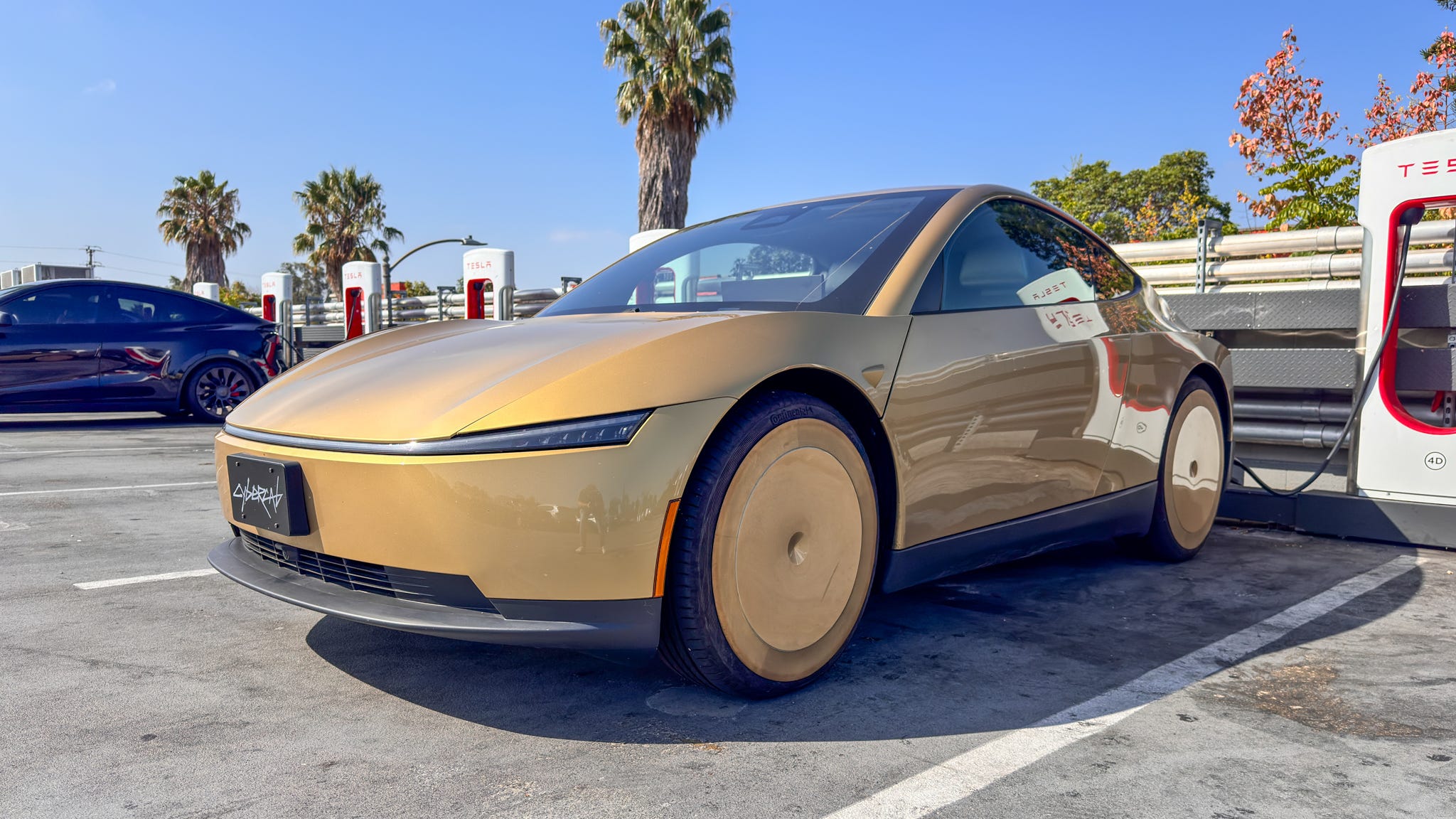
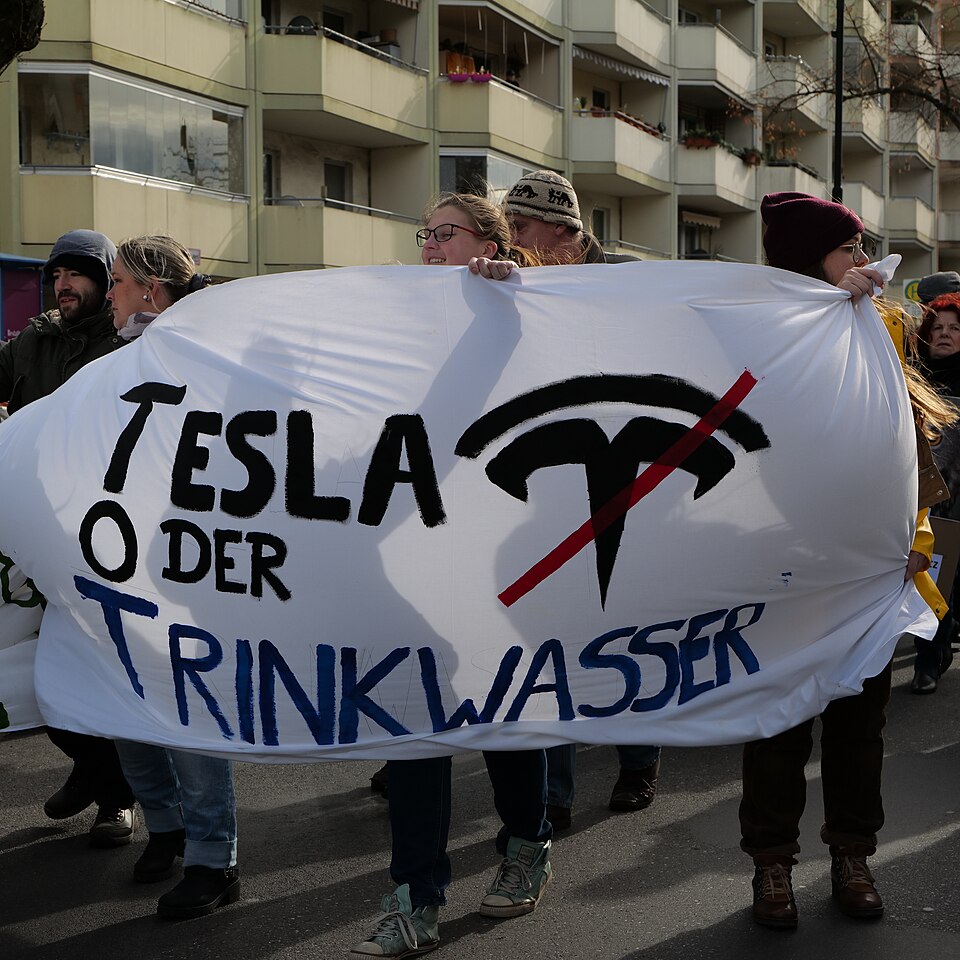
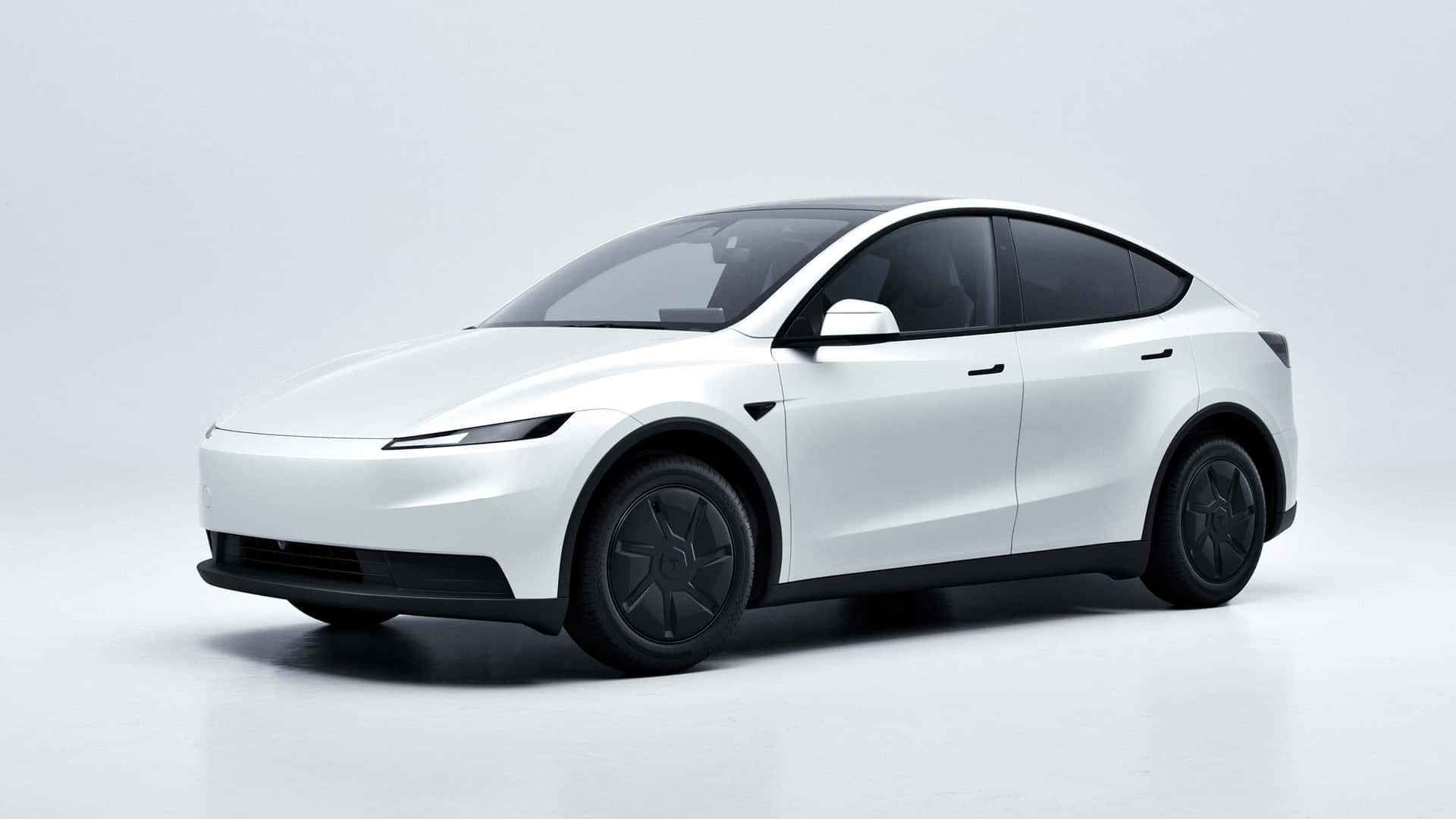
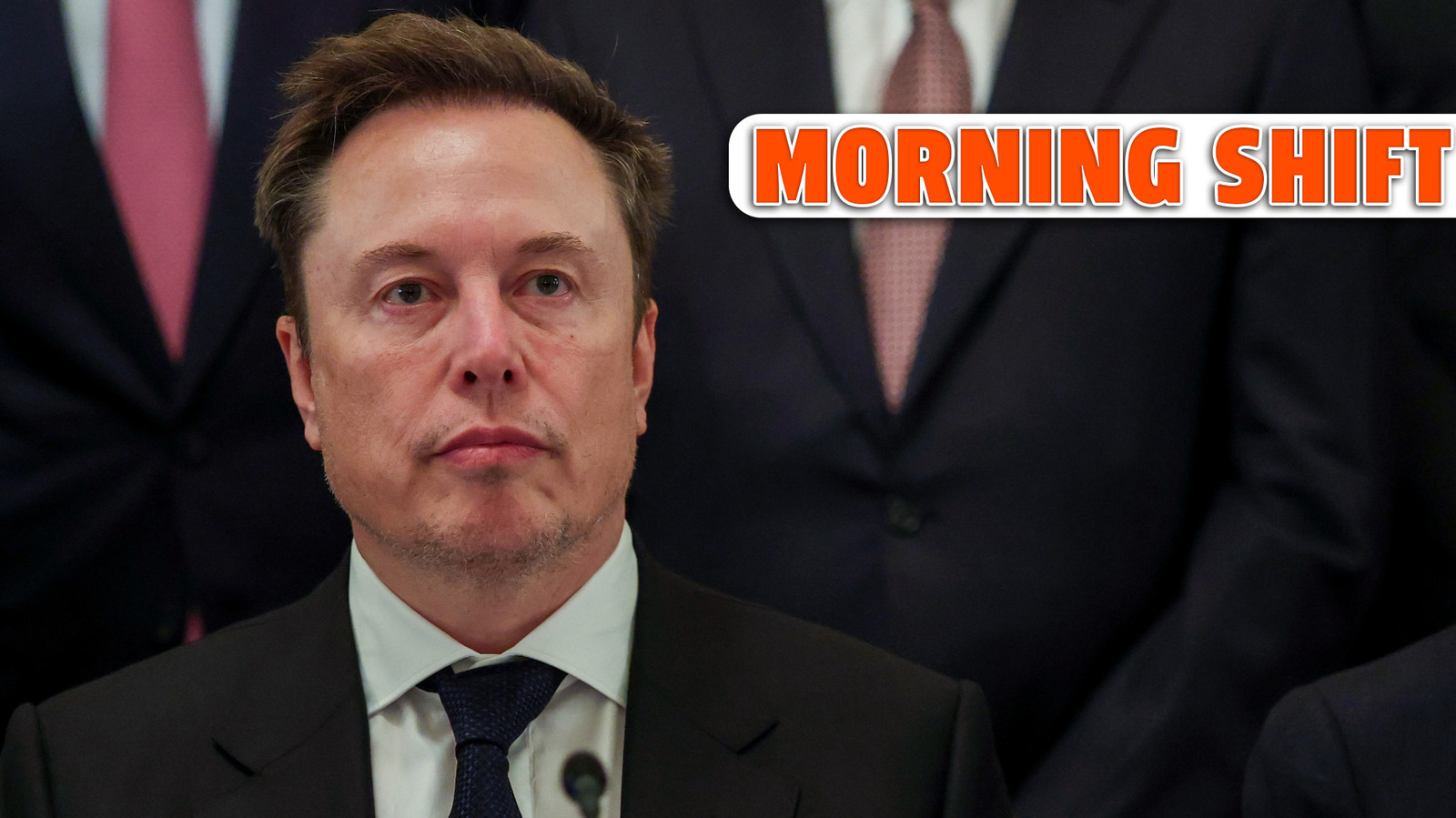
Elon Musk’s company has pushed regulators directly to reduce the rigor of safety reviews, submitted its own research making bold crash-reduction claims, and used social media to mobilize Tesla enthusiasts to demand speedy approvals.
But Tesla’s campaign is built on faulty company safety research that can’t support the company’s claims to officials or the public, according to seven traffic-safety researchers who examined its methodology for Reuters.
During that Netherlands review, Tesla repeatedly sought to scale back the intensity of the regulator’s examination, and it pushed – with some success – to set the terms and methods of its evaluation and testing, according to a Reuters review of correspondence between the automaker and the regulator, which has not been previously reported.
FSD needs these flawed safety reviews because the software is inherently compromised by its reliance on suitable hardware: Computer vision, a poor substitute for the LiDAR scanners used by the more competent autonomy developers. If Tesla could show regulators that FSD was safer than human drivers without resorting to massaged numbers and pressured regulators, it certainly would. The fact that the company is resorting to such underhanded methods is telling.
Tada Images/Shutterstock Earlier this week, we talked about how Porsche wants to increase profitability by cutting costs. Today, the company is looking at raising prices on its priciest models by 20%. Charging more for less is a good long-term move for a business’s health, right?. From the Wall Street Journal:.
By 2030, it plans to launch at least one “brand-defining” new product every year, it said. This isn’t about price changes on the highest trims of the Macan — though I wouldn’t be surprised if those prices crept upward too — but about models like the 911 Dakar and Sport Classic. There’s a real market for selling expensive paperweights to rich jerks who will never drive them, so those jerks can eventually trade the cars around to each other for tax write offs, and that’s where Porsche sees its future. When no one else can afford your sports cars, you have to cater to the few folks willing to shell out incredible amounts of money every year for the latest shiny toy. This is a sign of a good and healthy economy, by the way.
Why It Matters
There’s a real market for selling expensive paperweights to rich jerks who will never drive them, so those jerks can eventually trade the cars around to each other for tax write offs, and that’s where Porsche sees its future.
CarMotion Daily’s Take
If Tesla could show regulators that FSD was safer than human drivers without resorting to massaged numbers and pressured regulators, it certainly would. Watch this space over the coming weeks. The racing calendar rarely gives a team a quiet week — every result reshuffles development priorities. Sponsors and factory programmes pay close attention; a single result can shift allocation for the rest of the season. Lap-time deltas, tyre strategy, and any in-season upgrades are the metrics worth following next. Championship standings and factory allocation signals usually follow within a race or two.
📝 Source & Copyright Notice
This story was first reported by Jalopnik. For the full article with original photography and complete coverage, visit the source: Read the full story at Jalopnik →