The Story
Plus, Tesla is apparently preparing a Cybercab invasion, McLaren is considering adding a slew of dealerships to the U.S. and more.
In this morning’s edition, car buyers are shelling out thousands of dollars at Carvana just to avoid traditional dealerships, Tesla is apparently preparing a Cybercab invasion as soon as this month, McLaren — in a bit of good news — is considering adding a slew of dealerships to the U.S. Because of strong sales and Stellantis is recalling nearly 1 million cars because a radio software issue is somehow messing up the rearview camera.
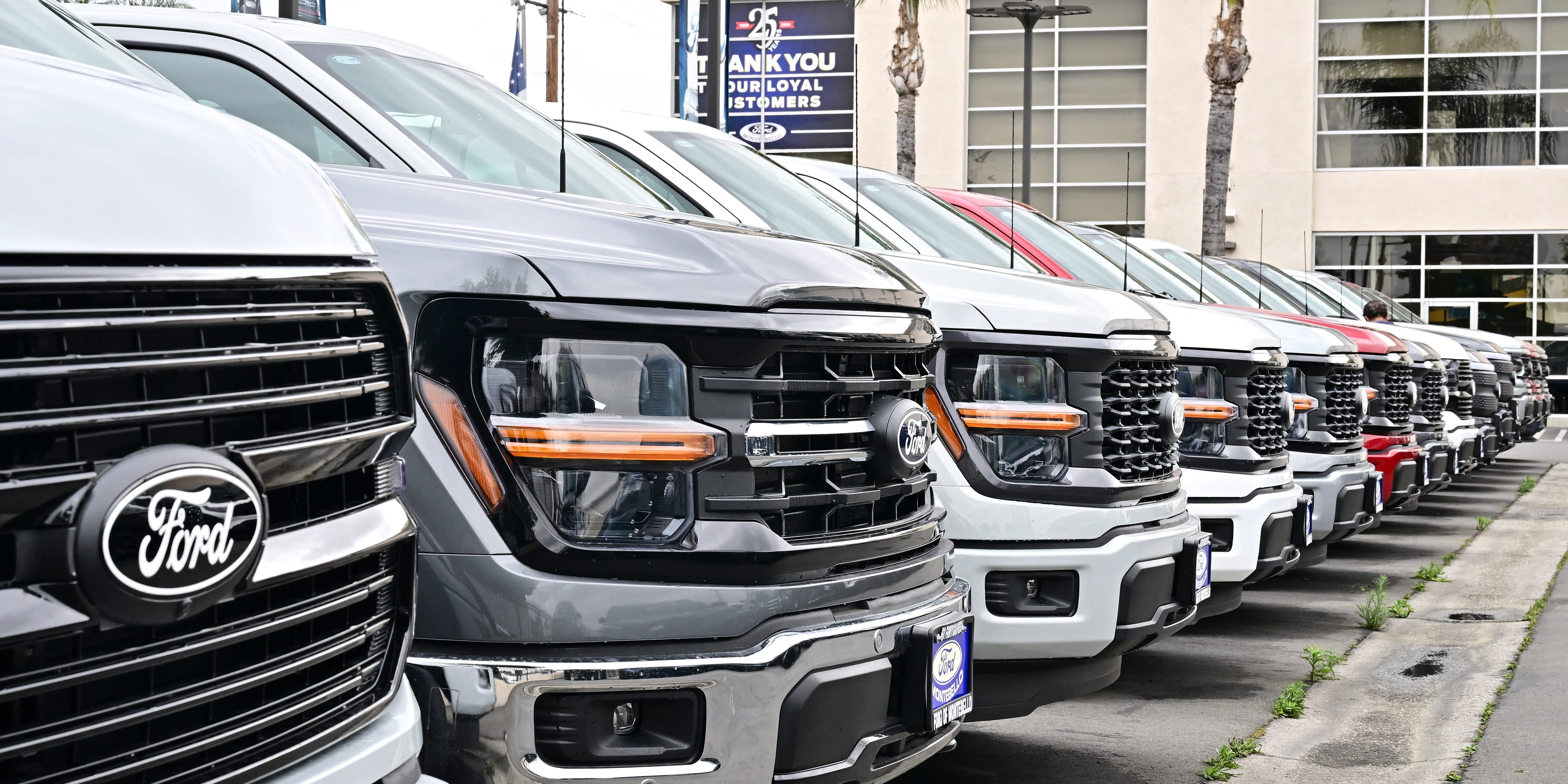
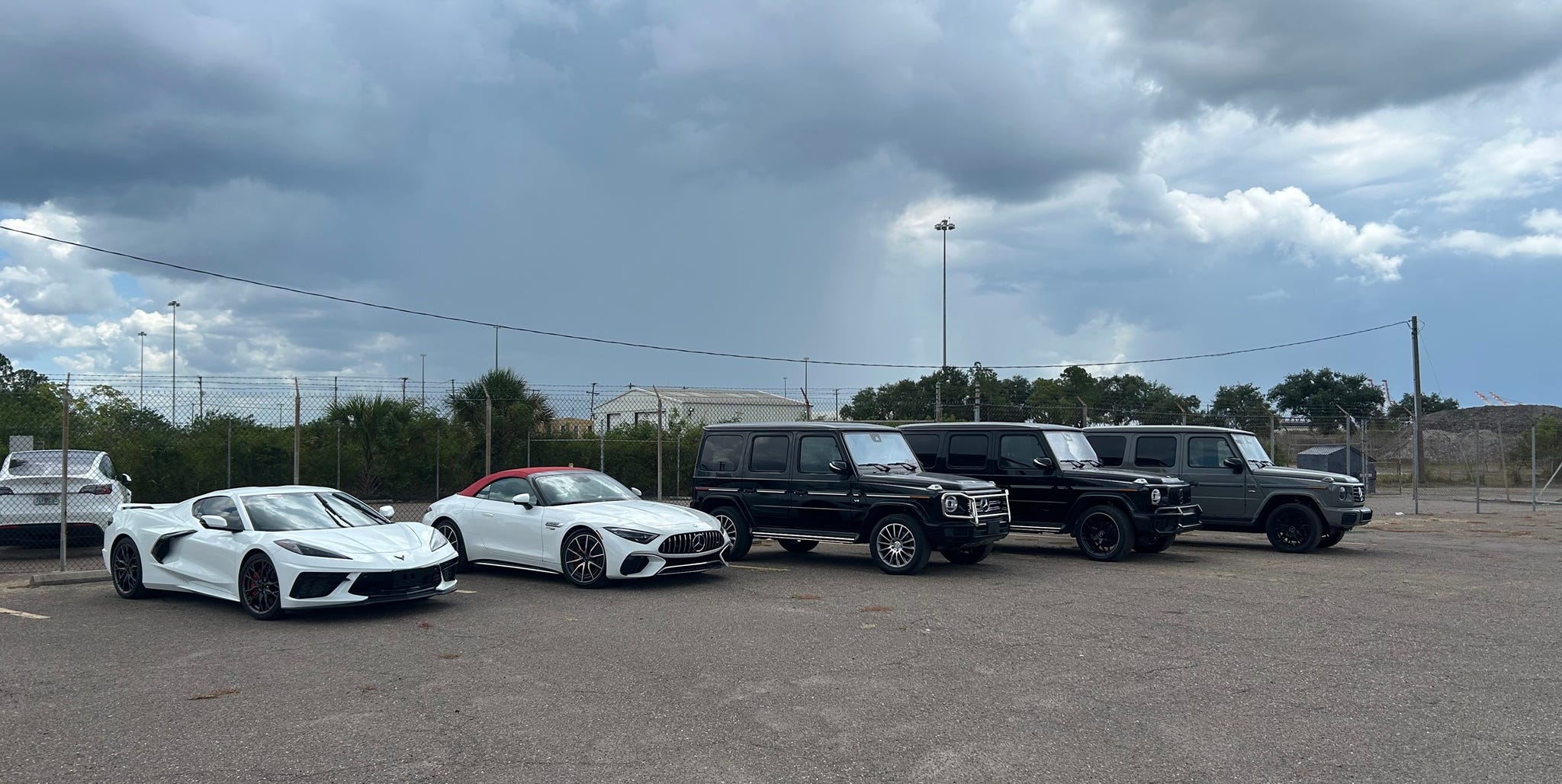
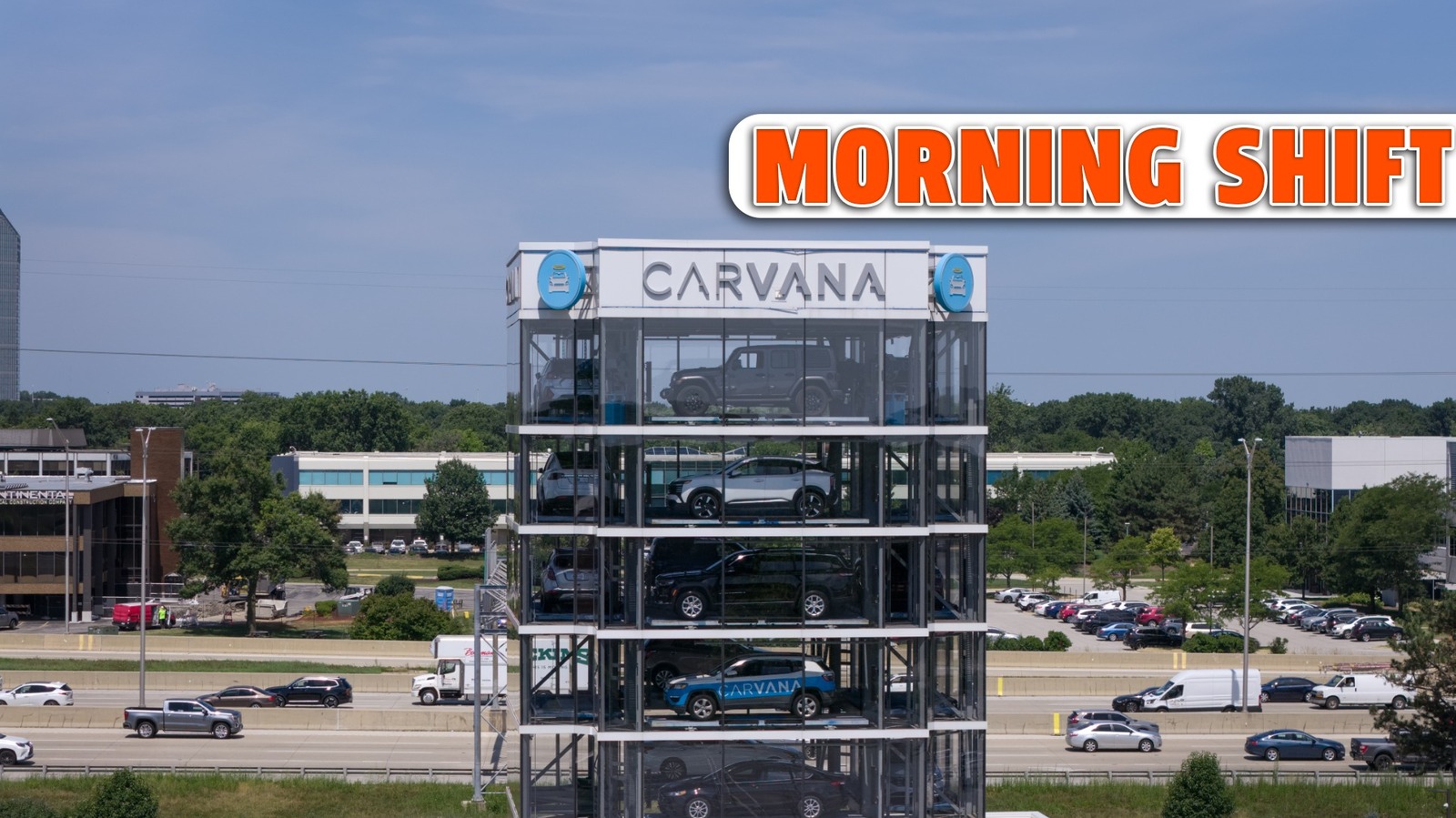
People are willing to pay extra for the no-haggle, digital-first experience Carvana offers that traditional dealerships just don’t. It has refined its customer experience over the 13 years it has been selling used vehicles mostly online and through its car vending machines. Because of the slick operation, people don’t mind shelling out — in some cases — over $4,000 more for the same car. From Automotive News:.
Technology-savvy car buyers want a streamlined process, making Carvana stand out, said Brian Maas, president of the California New Car Dealers Association, which counts Carvana among the nearly 1,300 franchised new car and truck dealers it represents.
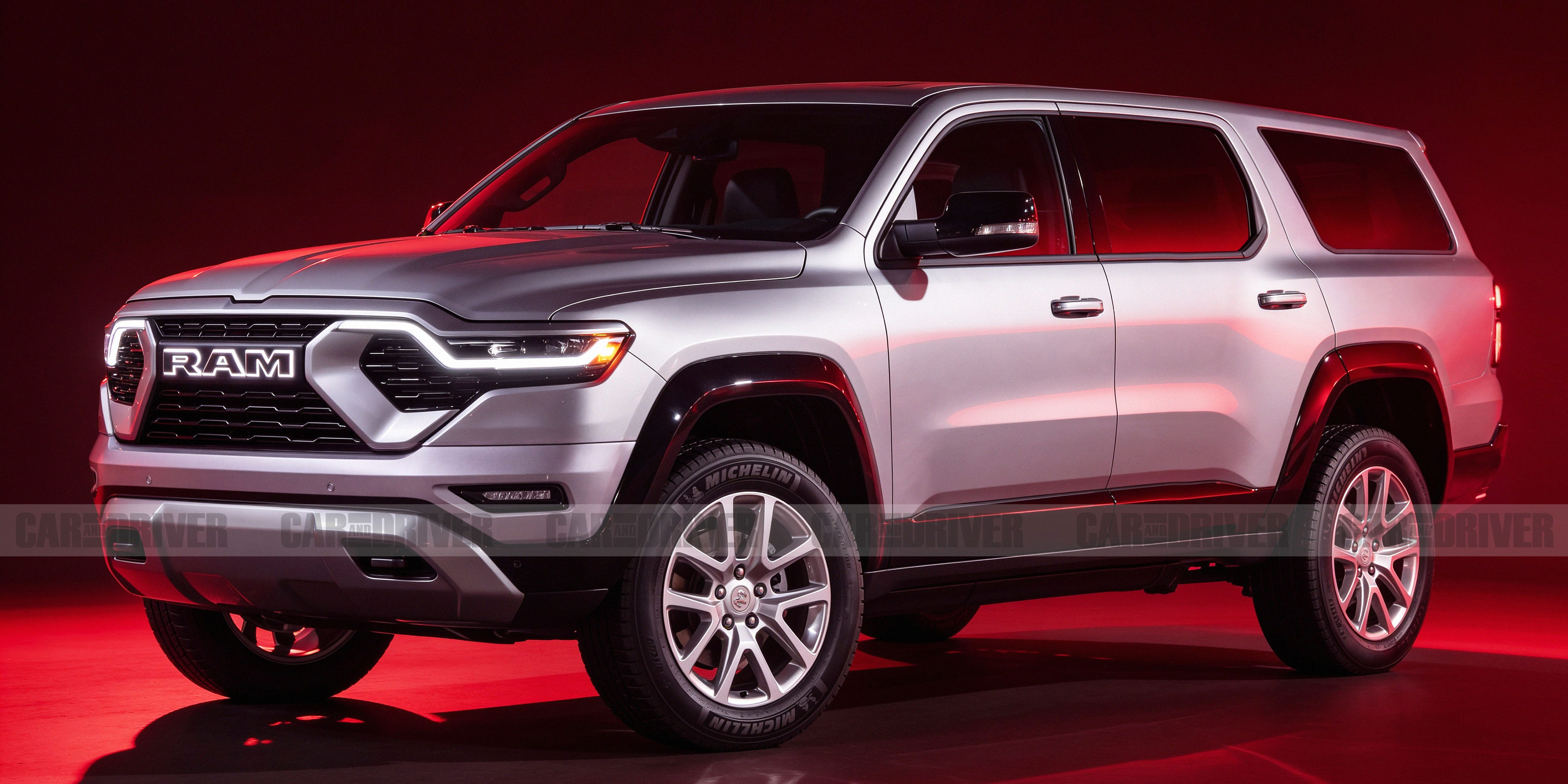
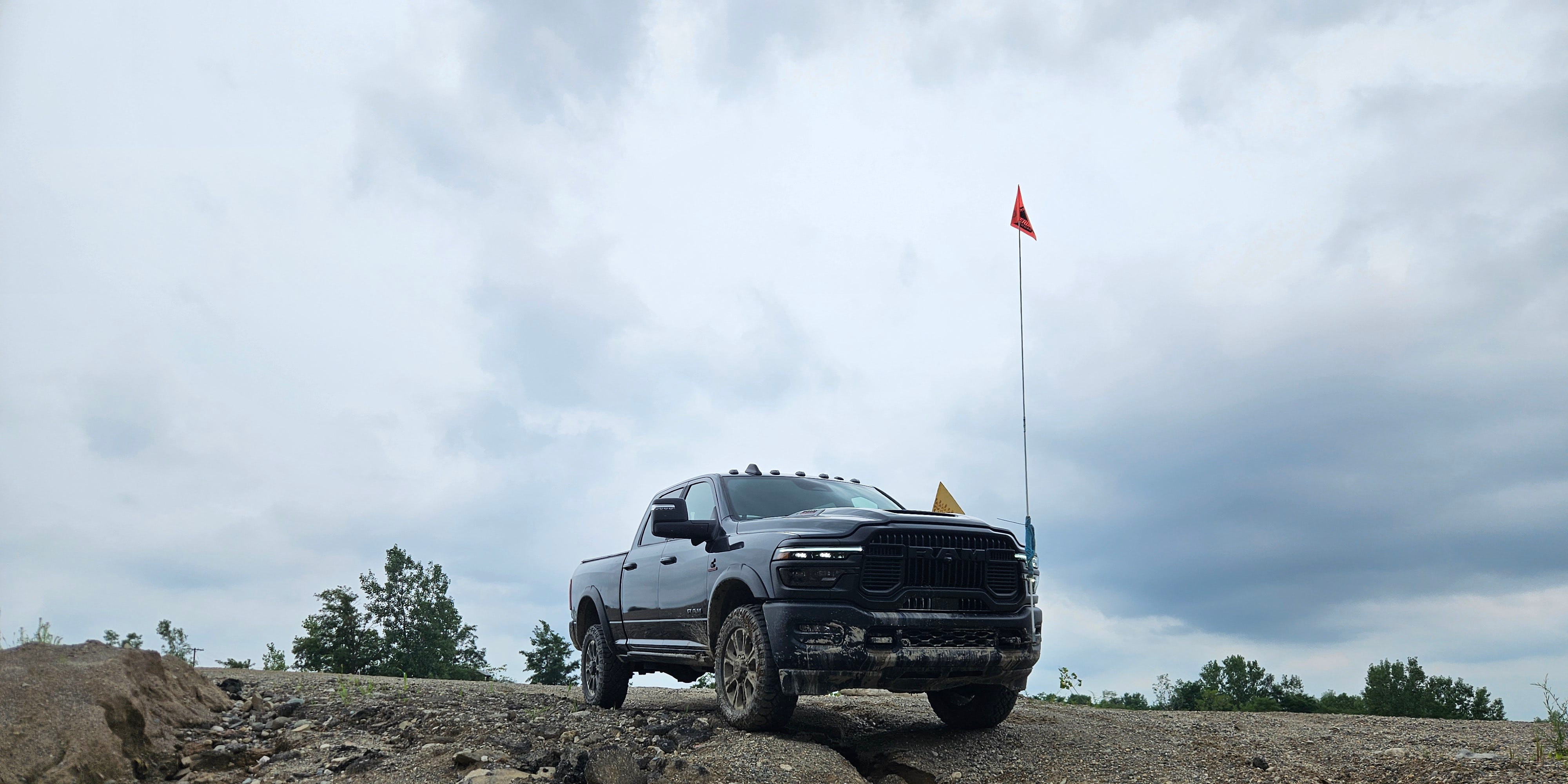
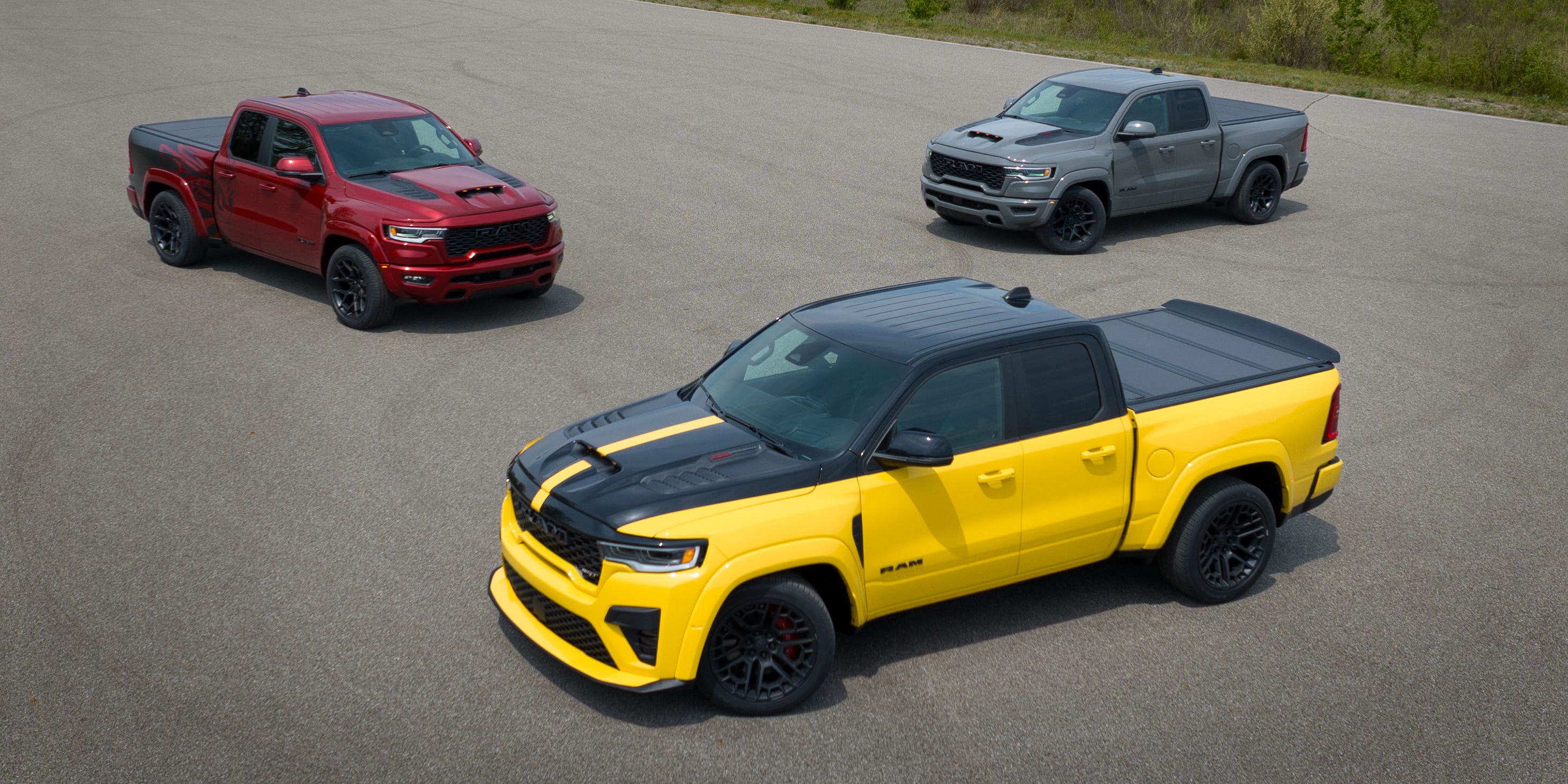
Carvana advertised the Ram 2500 on average $4,533 or about 6.2 percent above other Stellantis stores in the designated market areas around its new-vehicle dealerships, according to Catalyst IQ. Automakers determine a store’s designated market area.
“Carvana is able to command in many cases premium pricing at a time when pricing is already historically high,” said Rick Wainschel, Catalyst IQ’s vice president of analytics. That “says something about their practices and their processes and how consumers are reacting to them.”.
Carvana “has always offered transparent, no-haggle pricing that is informed by market dynamics and observed customer demand,” a company spokesperson said in an email.
But Carvana’s high pricing strategy comes with exceptions. The company priced some models below competitors, such as the Jeep Grand Wagoneer, which was $2,989 and 3.9 percent cheaper than competitors, and the Jeep Grand Cherokee, which was $145 or 0.3 percent below average.
The numbers show that what Carvana is doing is clearly working. Its new-vehicle stores had an average turn rate (the percentage of average vehicle inventory it sells in 90 days) of 69% in the period ending August 5. When compared with the 39% that other Chrysler-Dodge-Jeep-Ram stores in the same markets had, the difference is stark. Carvana says its new-vehicle sales business is profitable, too, but it won’t say quite how profitable.
Why It Matters
The numbers show that what Carvana is doing is clearly working.
CarMotion Daily’s Take
In this morning’s edition, car buyers are shelling out thousands of dollars at Carvana just to avoid traditional dealerships, Tesla is apparently preparing a Cybercab invasion as soon as this month, McLaren — in a bit of good news — is considering adding a slew of dealerships to the U.S. Watch this space over the coming weeks.
📝 Source & Copyright Notice
This story was first reported by Jalopnik. For the full article with original photography and complete coverage, visit the source: Read the full story at Jalopnik →