The Story
Who needs affordable cars when you can have endless arguments.
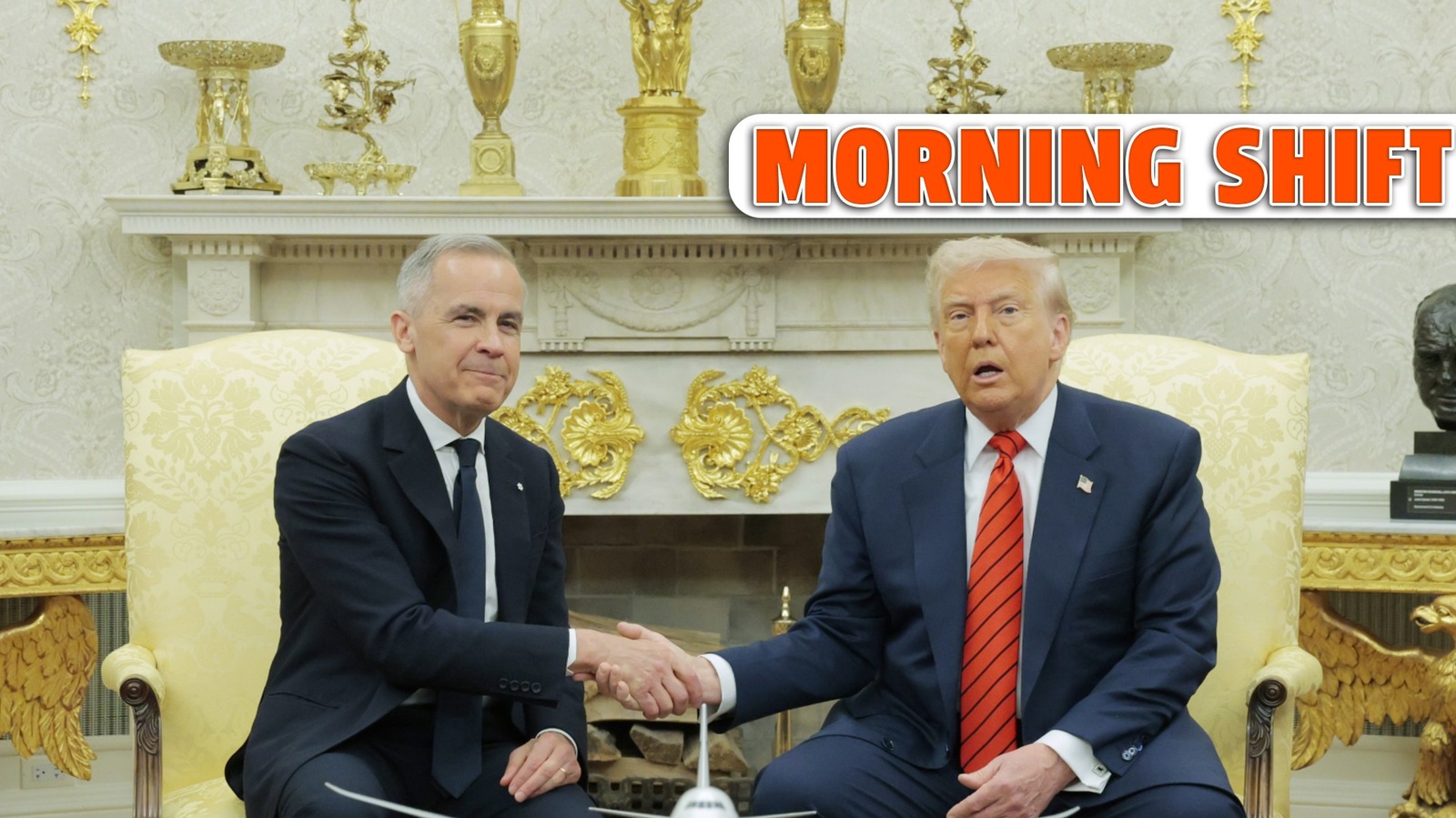
In this morning’s edition, President Trump’s 50% vehicle tariffs could end up in disaster for the automotive industries of both Canada and the U.S., Canadian Prime Minister Mark Carney says they’ll only go back to the bargaining table when the U.S. Has “the right attitude,” Volkswagen’s CEO got booed over his job cut plans during a company-wide meeting, and Porsche is going all-in on AI.
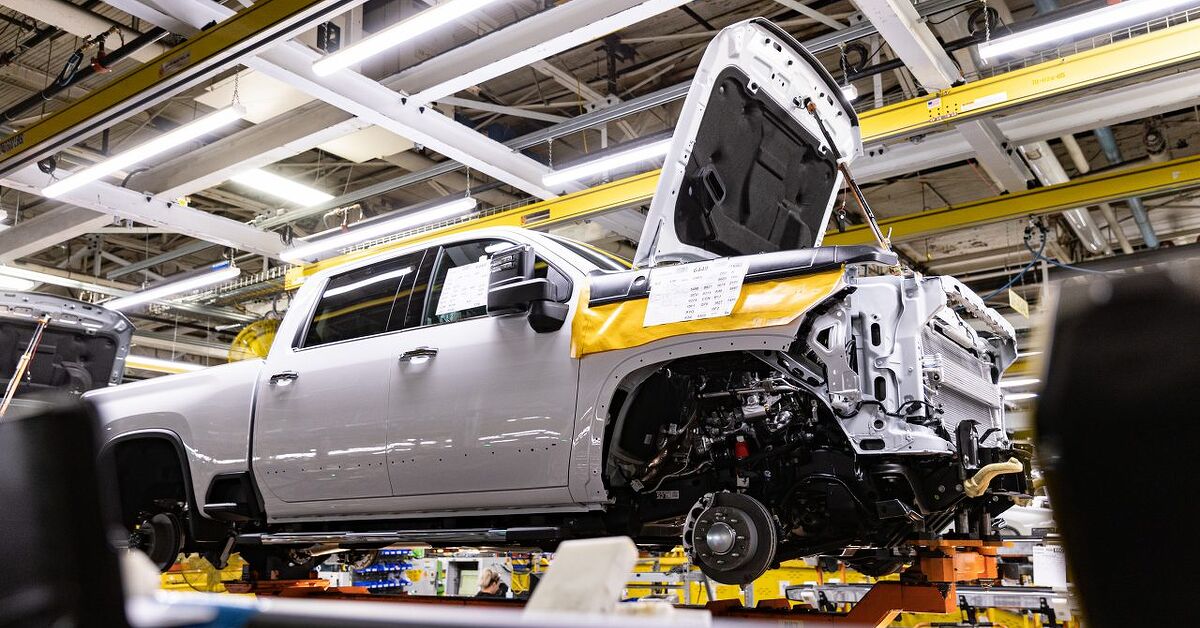
When Trump threatened to increase U.S. Tariffs on Canadian auto exports to 50% starting on January 1, Canada vowed to fight back to protect its local assembly plants and parts suppliers. This whole disaster (or at least the most recent phase of it) started late last week, after Washington and Ottawa seemed ready to ink a trade deal that would end a year-and-a-half-long trade war. However everything fell apart in the final hours when the topic of medium- and heavy-duty truck and auto parts came up.
The last 18 months of this tit-for-tat trade war have already left their mark on the automakers and buyers alike, and this new escalation would most likely be even more devastating for both. From Automotive News:.
The North American auto sector pushed back against U.S. Parts tariffs in 2025 and is certain to do so again, said Flavio Volpe, CEO of the Automotive Parts Manufacturers’ Association.
“A threatened U.S. Tariff on Canadian auto parts will be paid by U.S. Auto assembly,” he wrote on social media. “Without those specific parts, auto assembly throughout the U.S. Would halt.”.
Auto union Unifor, which represents hourly workers at Detroit Three plants in Canada, said Trump’s “latest intimidation tactic” fails to recognize that automotive instability will hurt workers on both sides of the border.
Unifor President Lana Payne said Canada had no choice but to walk away from the “bad” deal offered by the Trump administration. As with Payne, Ontario Premier Doug Ford said Carney did the right thing in walking away from a bad deal that would have hurt autoworkers in Ontario, as well as those south of the border.
Automakers, especially the Big Three, are pushing for a resolution between the two North American countries, especially as the status of the U.S.-Mexico-Canada Agreement on trade remains precarious at best and dead at worst.
The Pacific Manufacturing Association of Canada (PMAC), which represents Honda and Toyota, pressed for efforts to get back underway to return free trade to North American automotive.
Group CEO Brendan Sweeney told Automotive News Canada that the prospect of added tariffs Jan. 1 is “a long way away” and PMAC is focused on making progress on tariffs this fall.
Why It Matters
Tariffs on Canadian auto exports to 50% starting on January 1, Canada vowed to fight back to protect its local assembly plants and parts suppliers.
CarMotion Daily’s Take
Auto union Unifor, which represents hourly workers at Detroit Three plants in Canada, said Trump’s “latest intimidation tactic” fails to recognize that automotive instability will hurt workers on both sides of the border. Watch this space over the coming weeks.
📝 Source & Copyright Notice
This story was first reported by Jalopnik. For the full article with original photography and complete coverage, visit the source: Read the full story at Jalopnik →