The Story
This week’s car news reveals an industry caught between competing pressures: trade policy creating unexpected costs for consumers, automakers debating the right path between electrification and hybridization, and enthusiasts still gravitating toward raw performance values. The week brought tariff warnings for luxury SUV buyers, questions about Tesla’s autonomous ambitions, and a reminder that sometimes older performance cars deliver more value than their expensive successors.
This Week’s Top 5
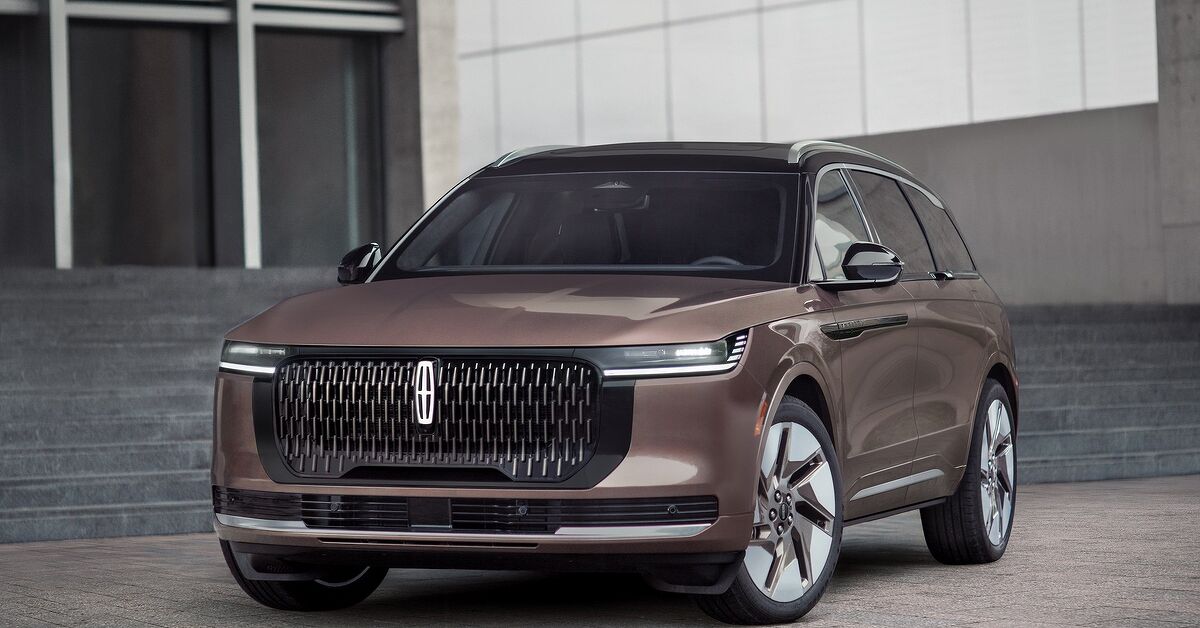
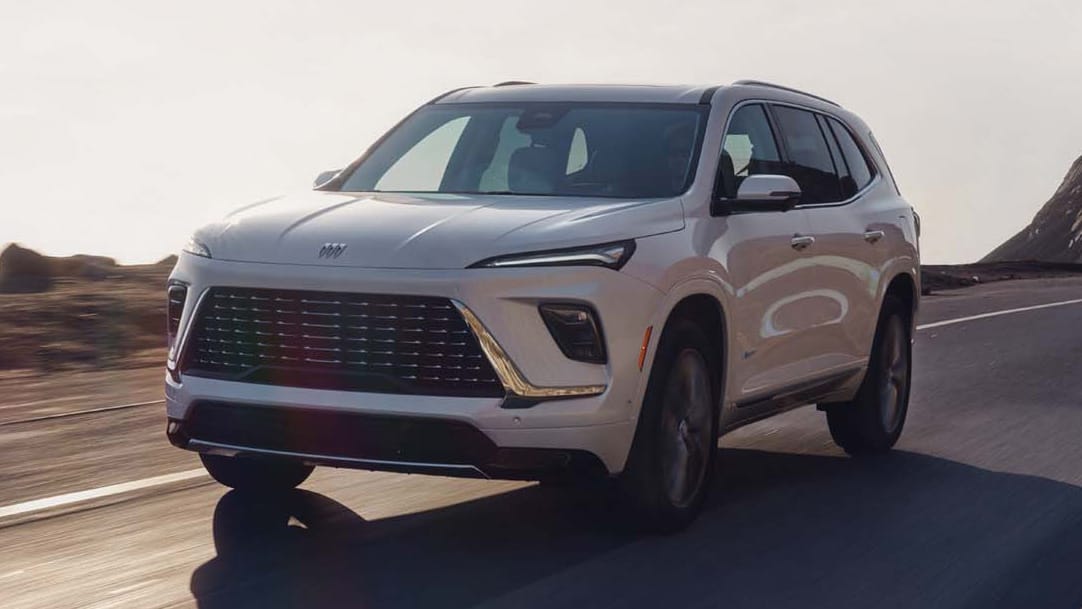
1. Lincoln Nautilus Tariff Trap: Buyers considering the Lincoln Nautilus or its Platform Twin face a frustrating reality—both SUVs contain Chinese-sourced components that expose owners to tariff-related repair costs despite being assembled in the US. With starting prices exceeding $60,000 for three-row luxury models, the total cost of ownership extends well beyond the purchase price.
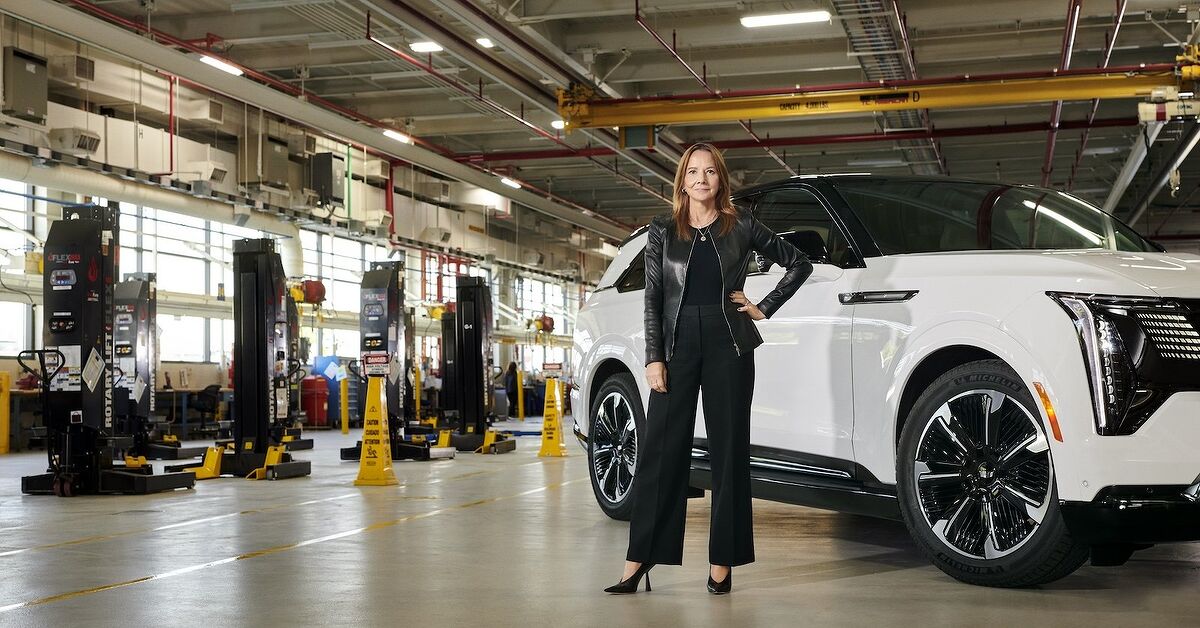
2. GM’s Hybrid Strategy Gap: General Motors’ decision to skip hybrid technology leaves a potential vulnerability if fuel-economy regulations tighten under a future administration and if consumers continue showing stronger acceptance of hybrids than fully electric vehicles. The company would need to rapidly develop competitive hybrid options to avoid falling behind rivals.
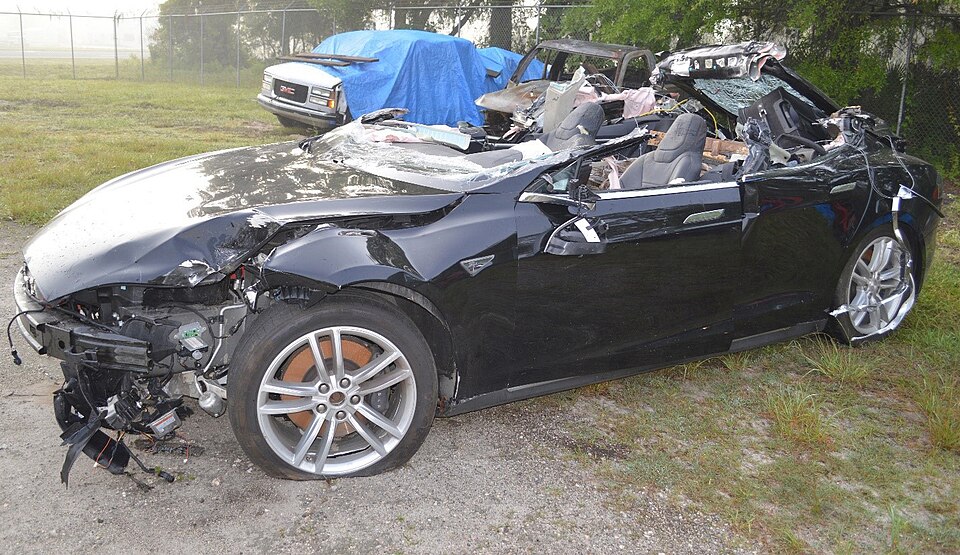
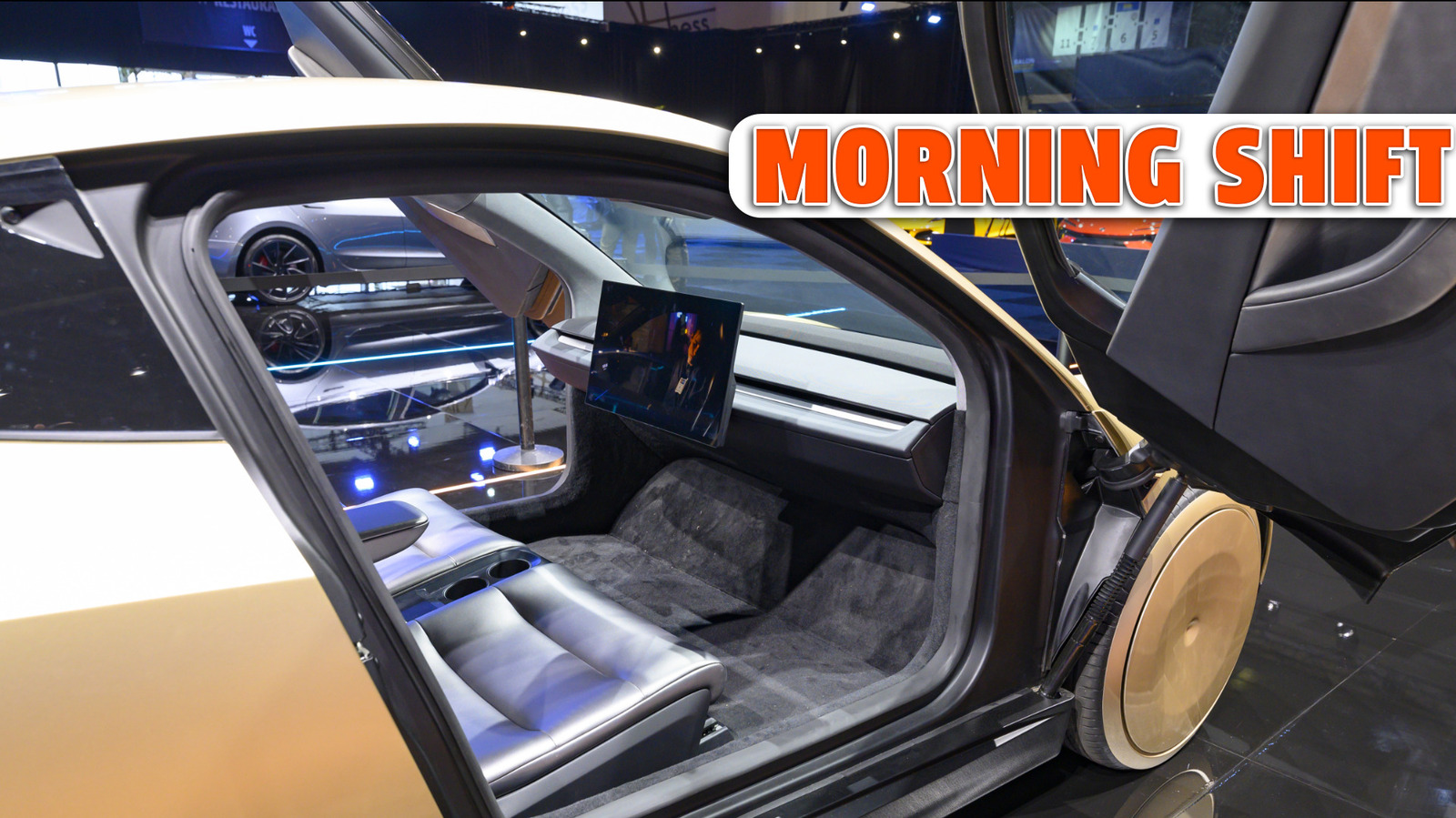
3. Tesla Cybercab Faces Regulatory Skepticism: The Cybercab’s driverless design presents challenges for regulators, with limited intuitive controls for human intervention. The minimalist interior offers minimal guidance for situations requiring manual operation, raising questions about approval timelines.
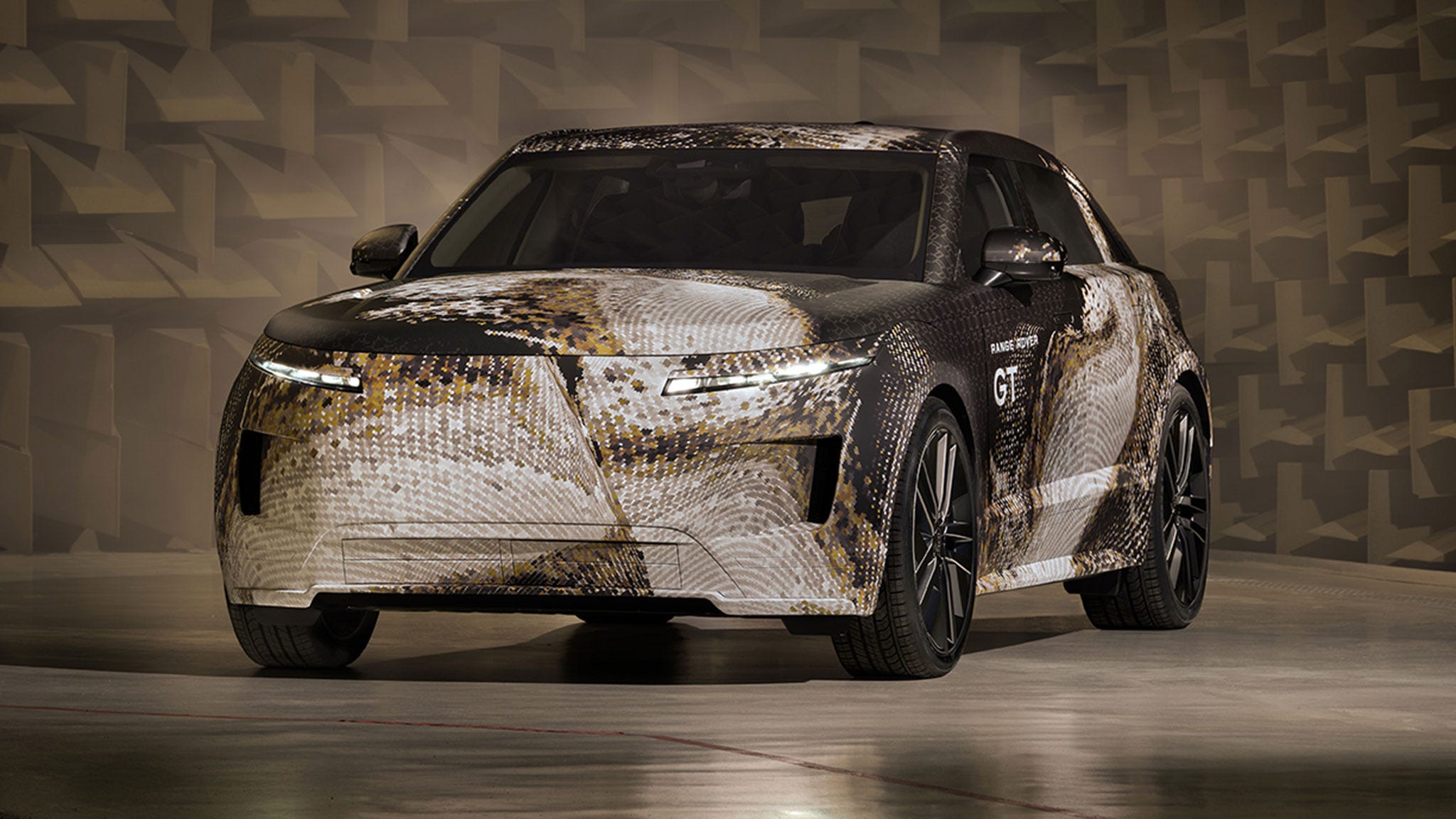
4. Land Rover and Stellantis Join Forces: Land Rover is partnering with Stellantis to build a Defender pickup truck in the United States, marking a rare collaboration between the two automakers. The US-market model will benefit from Stellantis’ manufacturing expertise rather than JLR simply shifting production to existing Stellantis facilities.
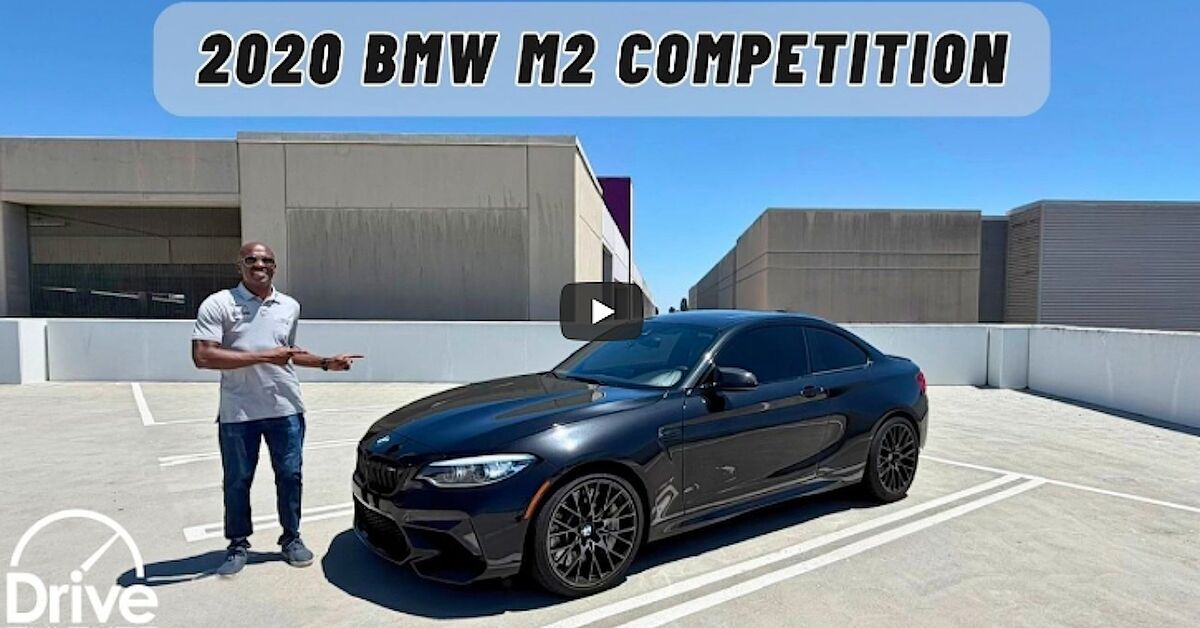
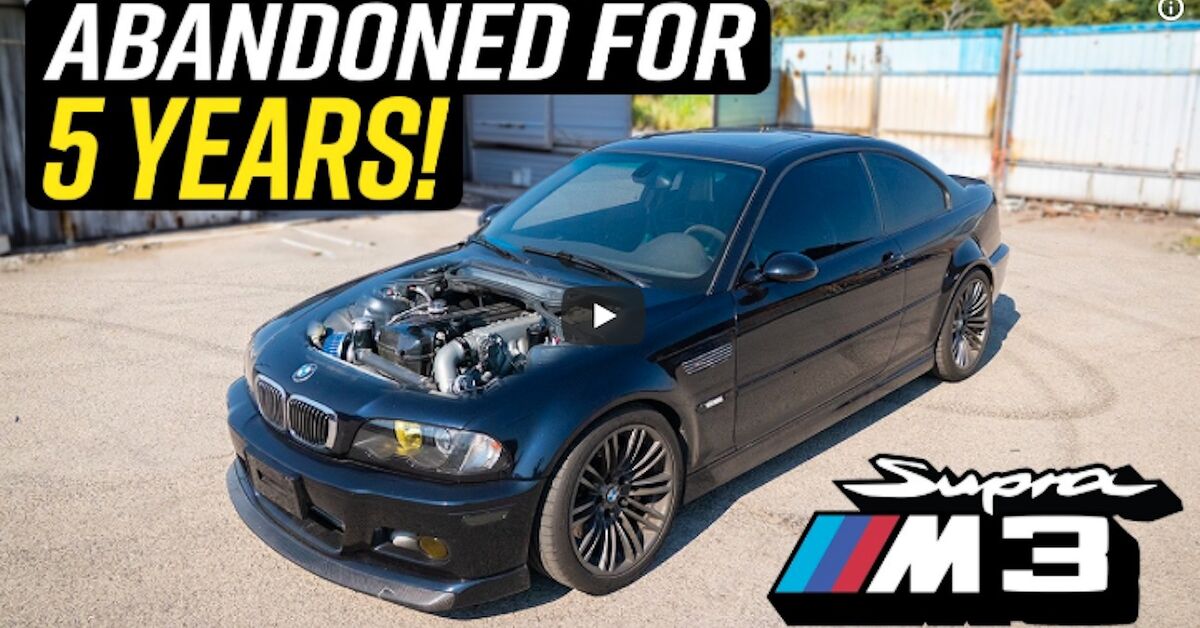
5. Older BMW M5 Outperforms Newer on Value: A modified 600-horsepower E60-generation BMW M5 can be purchased for approximately £30,000 and outperforms the £100,000 F90 successor in real-world driving dynamics. The older model’s analog driving experience and accessible power delivery offer precision that modern equivalents struggle to match.
Why It Matters
The week’s stories highlight how trade policy, technology transitions, and enthusiast preferences are reshaping the automotive landscape in unexpected ways. Consumers face hidden costs from tariff exposure on repair parts, while automakers must navigate uncertain regulatory futures around emissions and autonomous vehicles. Meanwhile, the persistent appeal of analog performance cars suggests that not all buyers are ready to embrace the electric future equally.
CarMotion Daily’s Take
Watch for deeper fallout from tariff policies as more vehicles reveal Chinese component exposure in their supply chains. The GM hybrid question could become more urgent if Republican administrations pursue aggressive fuel-economy rollbacks. And the Land Rover-Stellantis partnership signals that even historically competitive automakers are finding value in collaboration as EV investments strain balance sheets across the industry.