The Story
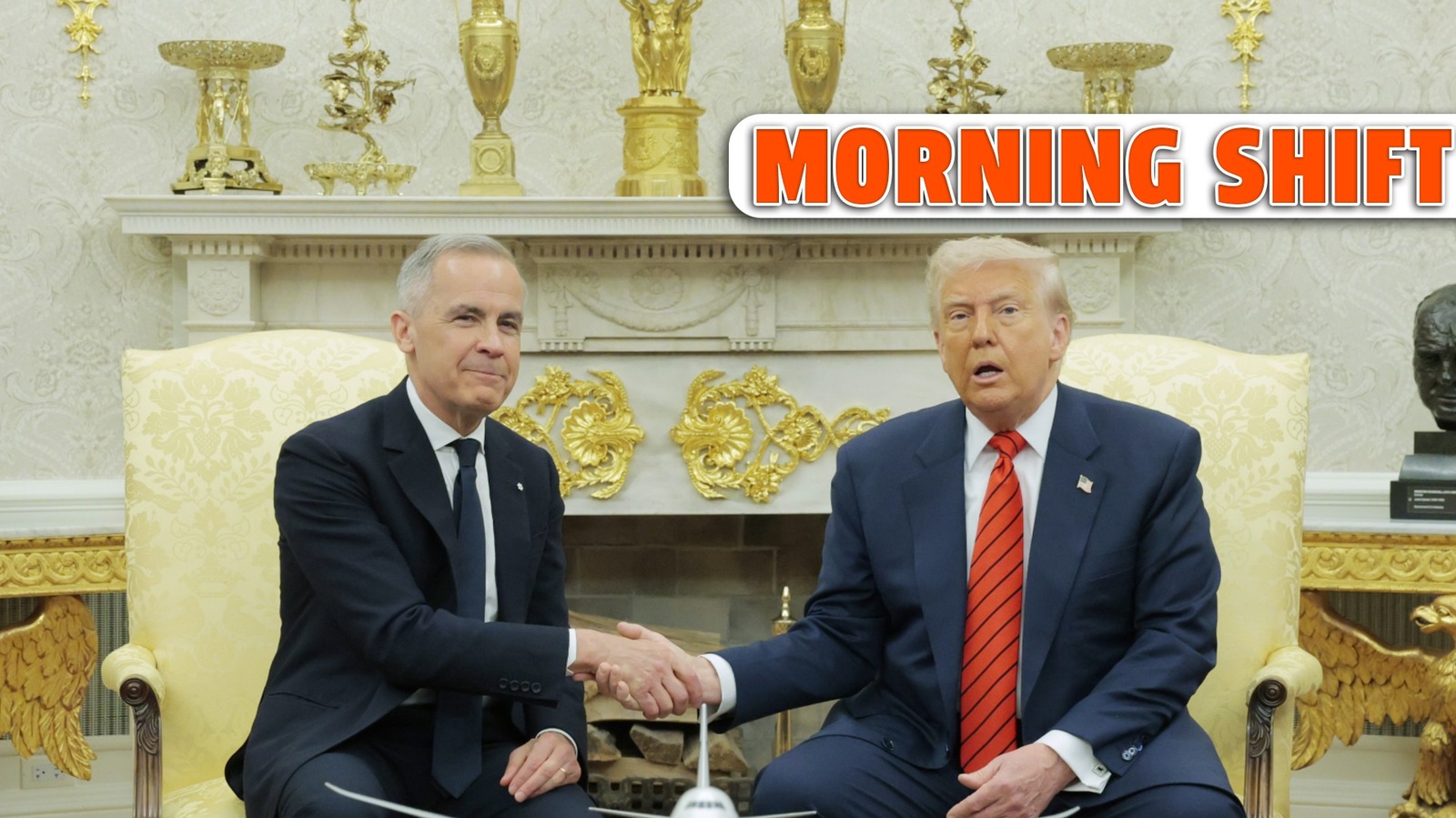
The tentative trade deal between the United States and Canada is dead, and the auto industry gets to sort out the wreckage.Negotiators hit an impasse over a series of last-minute demands from the Trump administration, with tariffs on Canadian-built trucks sitting near the center of the collapse.For a North American supply chain that treats the border as a formality, that.
Report: GM Allegedly Pumping The Breaks On Full-Size EVs Connie Peters Drives The 2026 Ford Explorer Tremor Chinese Vehicle Content Rules Forcing Polestar Out of U.S. Next Year See Edits News Blog 1.7K Views No Deal: U.S. Won’t Budge on Truck Tariffs by TTAC News Staff (IC: ) Published: August 25th, 2026 Share The tentative trade deal between the United States and Canada is dead, and the auto industry gets to sort out the wreckage. Negotiators hit an impasse over a series of last-minute demands from the Trump administration, with tariffs on Canadian-built trucks sitting near the center of the collapse.
For a North American supply chain that treats the border as a formality, that’s a problem. “Asked Too Much and Offered Too Little”Canadian Prime Minister Mark Carney said Friday that the United States “asked too much and offered too little,” then suspended negotiations and pulled Canada’s team from the table. Both sides had reportedly made real progress toward a framework that would have trimmed tariffs on Canadian automobiles and other strategic products. Then it fell apart.
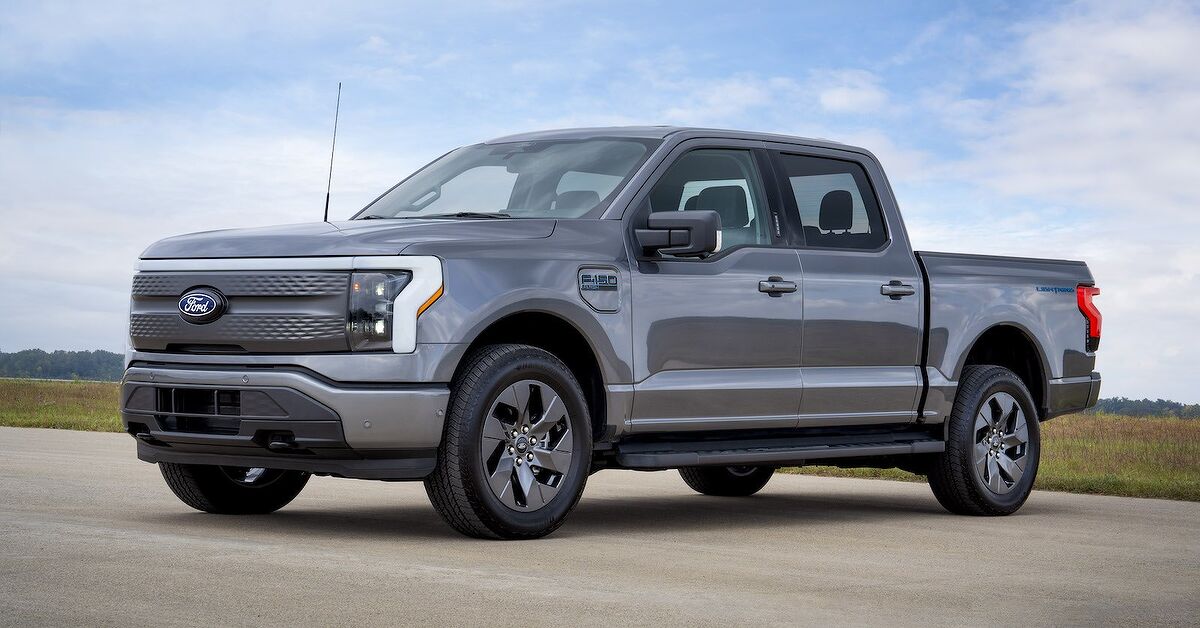
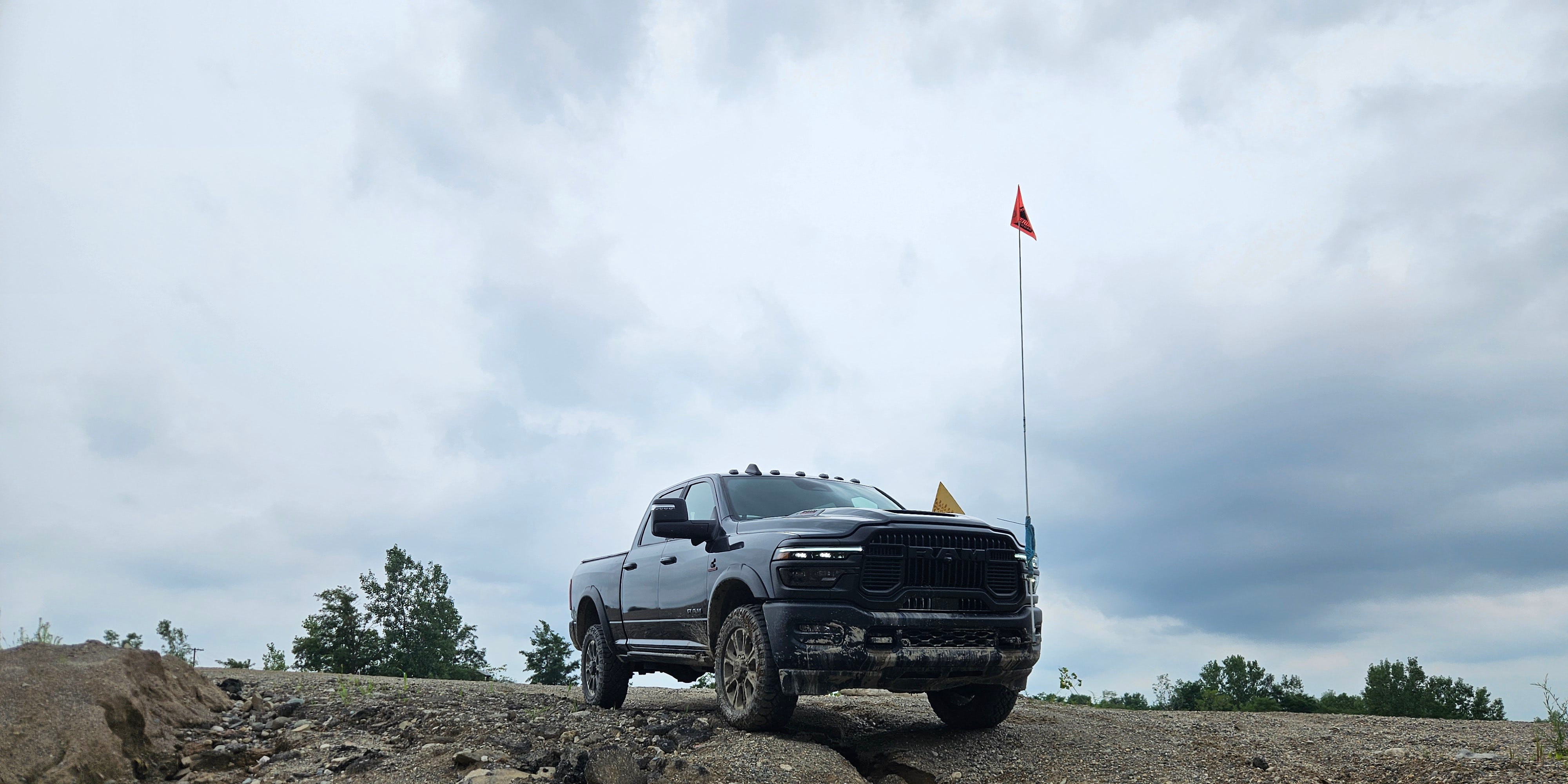
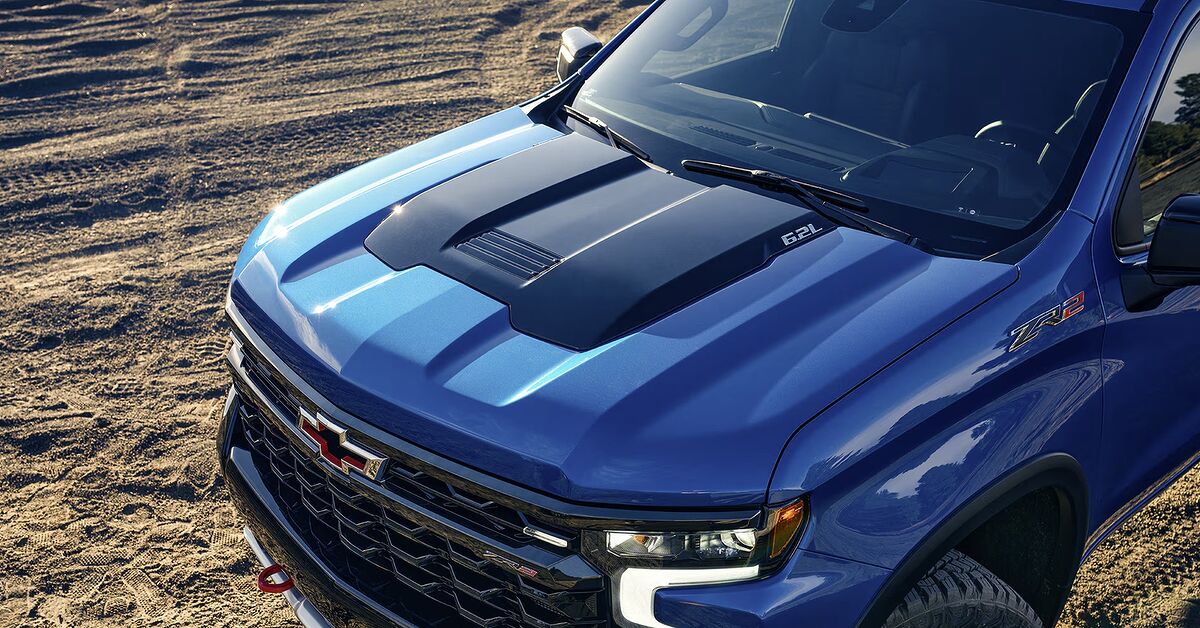
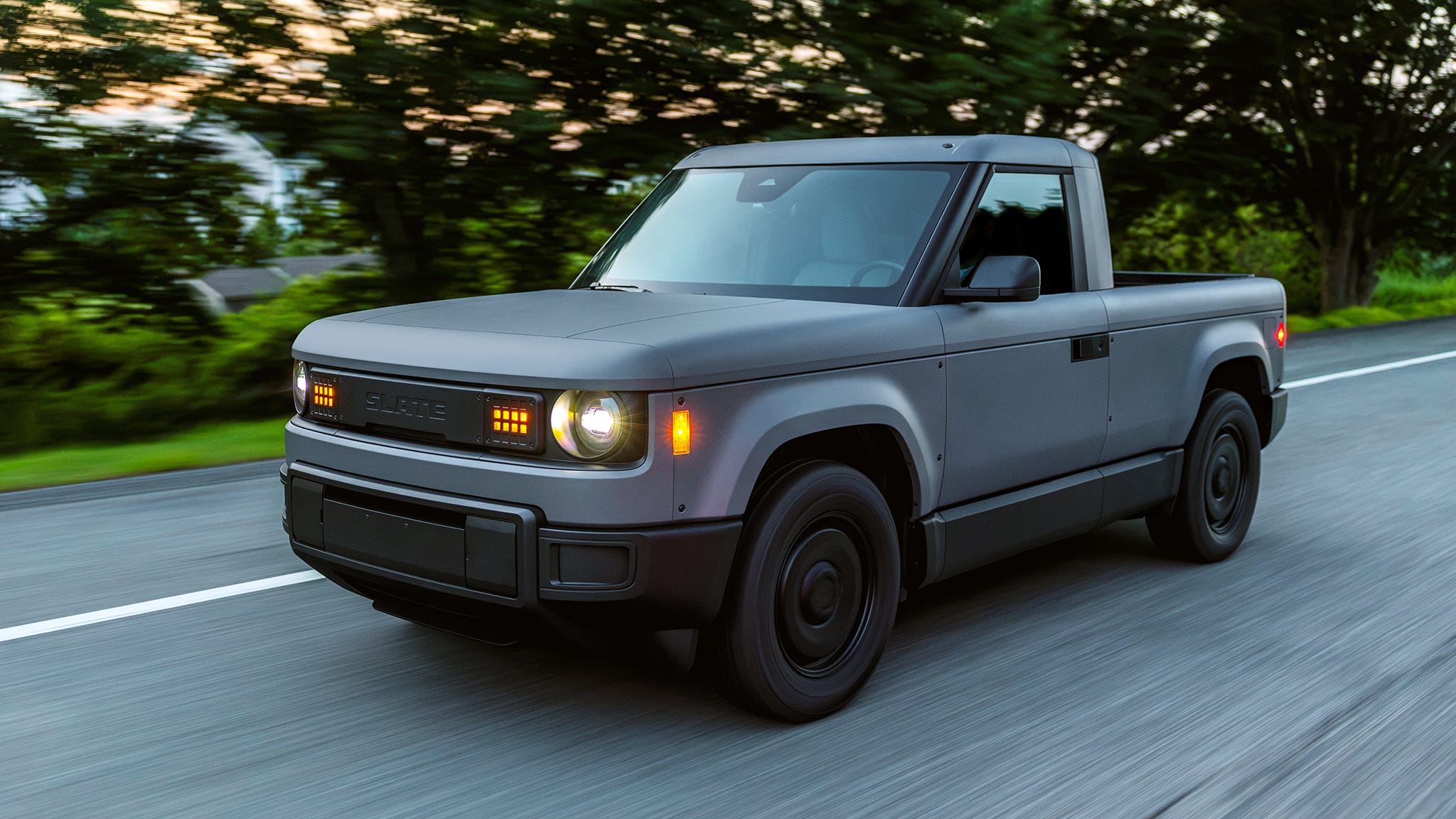
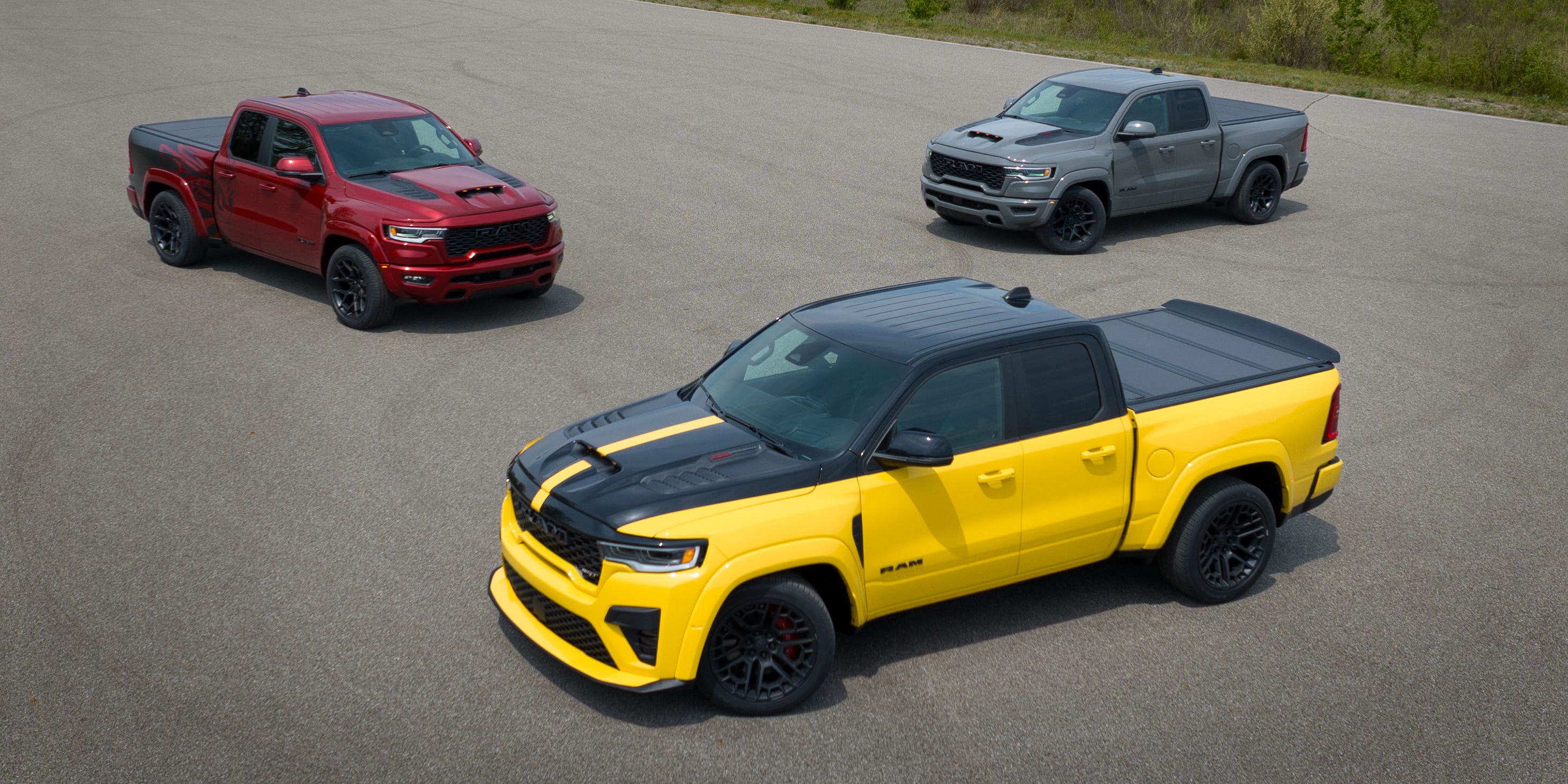
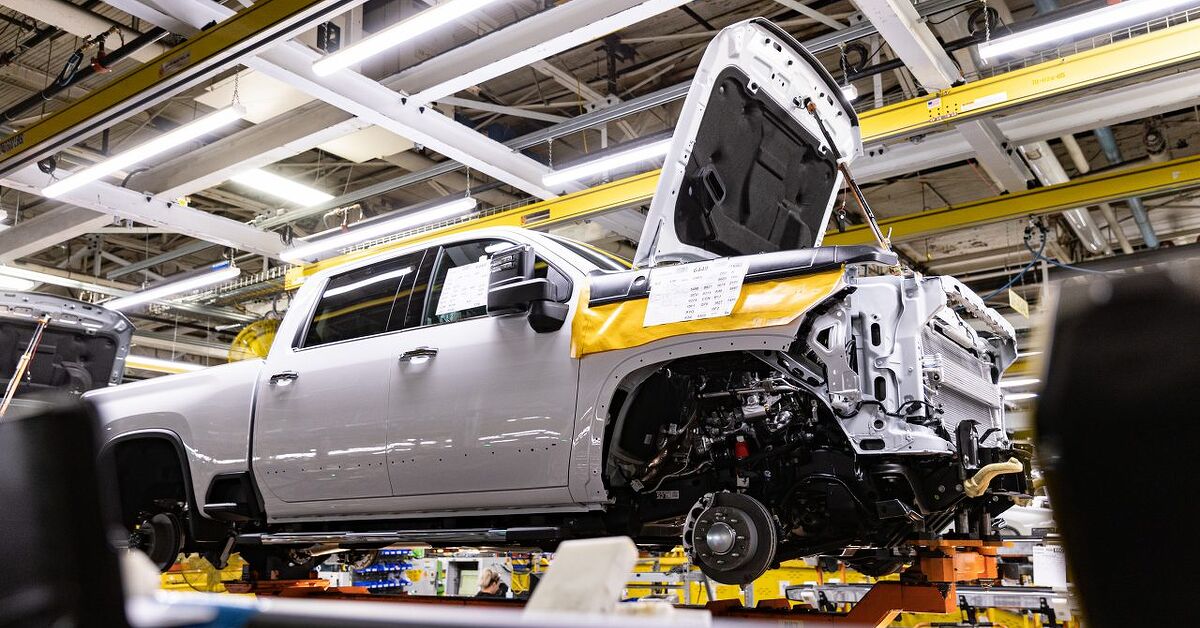
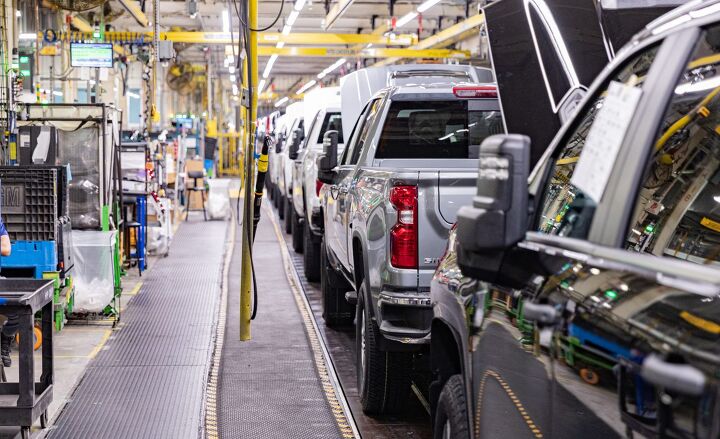
Carney called the exclusion economically unjustified and warned it could make truck production in Canada less viable over time. Retool a plant for Super Duty output, then get taxed on the way south, and the math stops working.
The auto tariffs were not the only fault line. Talks also broke down over Canada’s freedom to strike trade deals with other countries. Carney said the United States sought provisions restricting that freedom, which he characterized as a “power play” and a matter of sovereignty. Washington also objected to Canadian policies protecting the French language and culture.
The collapse landed just ahead of the United States imposing 50-percent tariffs on roughly $28 billion worth of Canadian goods. Canada has promised to answer, with its own tariffs starting September 8th, targeting steel, dairy, appliances, agricultural equipment, pulp and paper, and electronics.
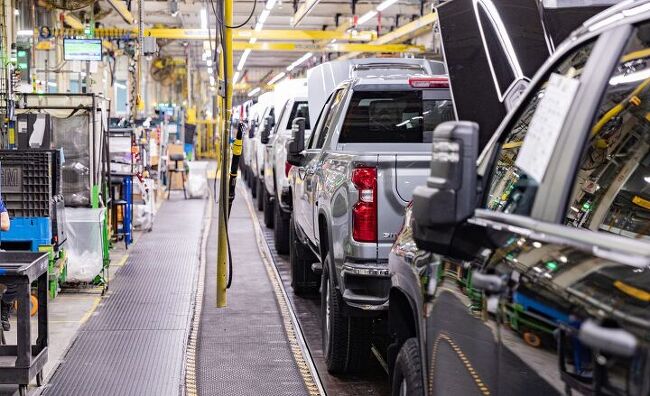
The Supply-Chain Bill Comes DueFor automakers, none of this is convenient. U.S. And Canadian factories run on deeply integrated supply chains, and you cannot slap tariffs on one side of the border without raising costs on the other. Components and finished vehicles cross the line constantly, and every crossing now carries a potential toll.
The dead deal threatens more than Canadian vehicle output. It piles fresh cost and uncertainty onto an industry built around the assumption that the U.S.-Canada border barely exists. That assumption is now on hold, and the companies retooling plants on both sides get to price in the risk.
Why It Matters
Won’t Budge on Truck Tariffs by TTAC News Staff (IC: ) Published: August 25th, 2026 Share The tentative trade deal between the United States and Canada is dead, and the auto industry gets to sort out the wreckage.
CarMotion Daily’s Take
Next Year See Edits News Blog 1.7K Views No Deal: U.S. Watch this space over the coming weeks. Supply chains, regulations, and consumer demand are reshaping the playbook faster than five-year plans can keep up. Dealer networks and service capacity will need to evolve alongside whatever the headline announcement implies. Regulatory filings, supplier contracts, and any production-volume adjustments usually trail the headline by a quarter or two. Stock price moves and dealer council chatter are leading indicators worth monitoring.
📝 Source & Copyright Notice
This story was first reported by TTAC. For the full article with original photography and complete coverage, visit the source: Read the full story at TTAC →