The Story
Plus epublicans figuring out how to ban Chinese cars without banning Mercedes, China.
In this morning’s edition, we’re looking at Jim Farley’s fears of Chinese cars in the U.S., and Republicans figuring out how to ban those Chinese cars without banning Mercedes. We’ll also look at China’s electric trucks, and dealerships that love AI.
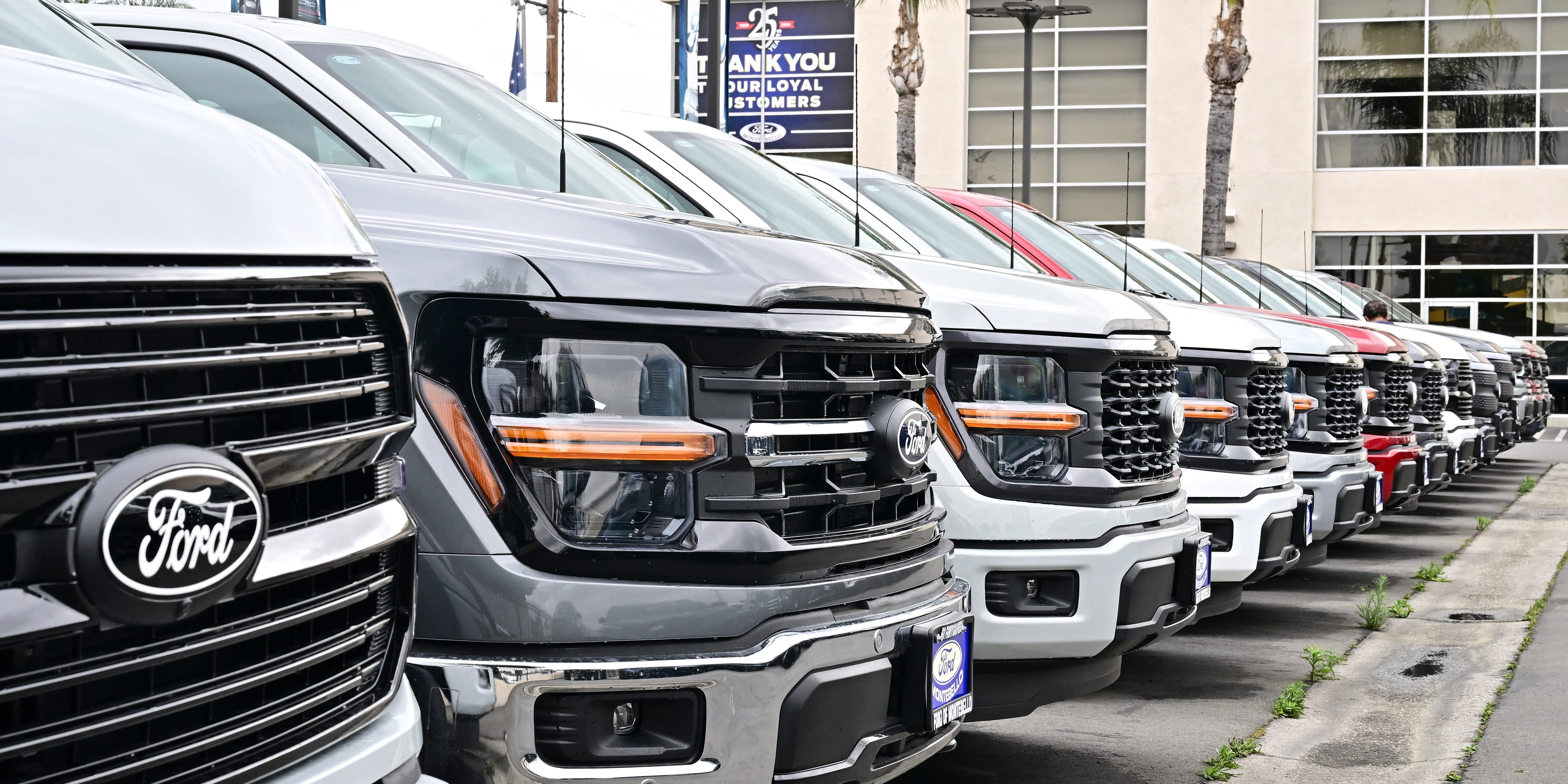
Sept 29 (Reuters) – Ford CEO Jim Farley said that the US must carefully weigh how and whether Chinese automakers should enter the American market, and pointed to Europe as a cautionary tale.
Farley said at an Automotive News conference on Tuesday that the US must “be extremely careful around how the Chinese OEMs come to our country,” and cited the pressure on Europe’s auto industry as Chinese imports quickly grab market share there.
Can you imagine the state of the U.S. Auto industry if we’d banned imports of Japanese vehicles in the ’70s?. I thought we were supposed to be a capitalist nation, one where any betterment is meant to come through competition — are we saying we can’t compete with China at all, and we have to legally cordon off a set of domestic buyers that have no choice but to keep buying our inferior products?. Chinese cars are, in many cases, cheaper and better than domestic U.S. Competition, but our domestic automakers seem to be throwing their hands up rather than actually meeting the new challenge.
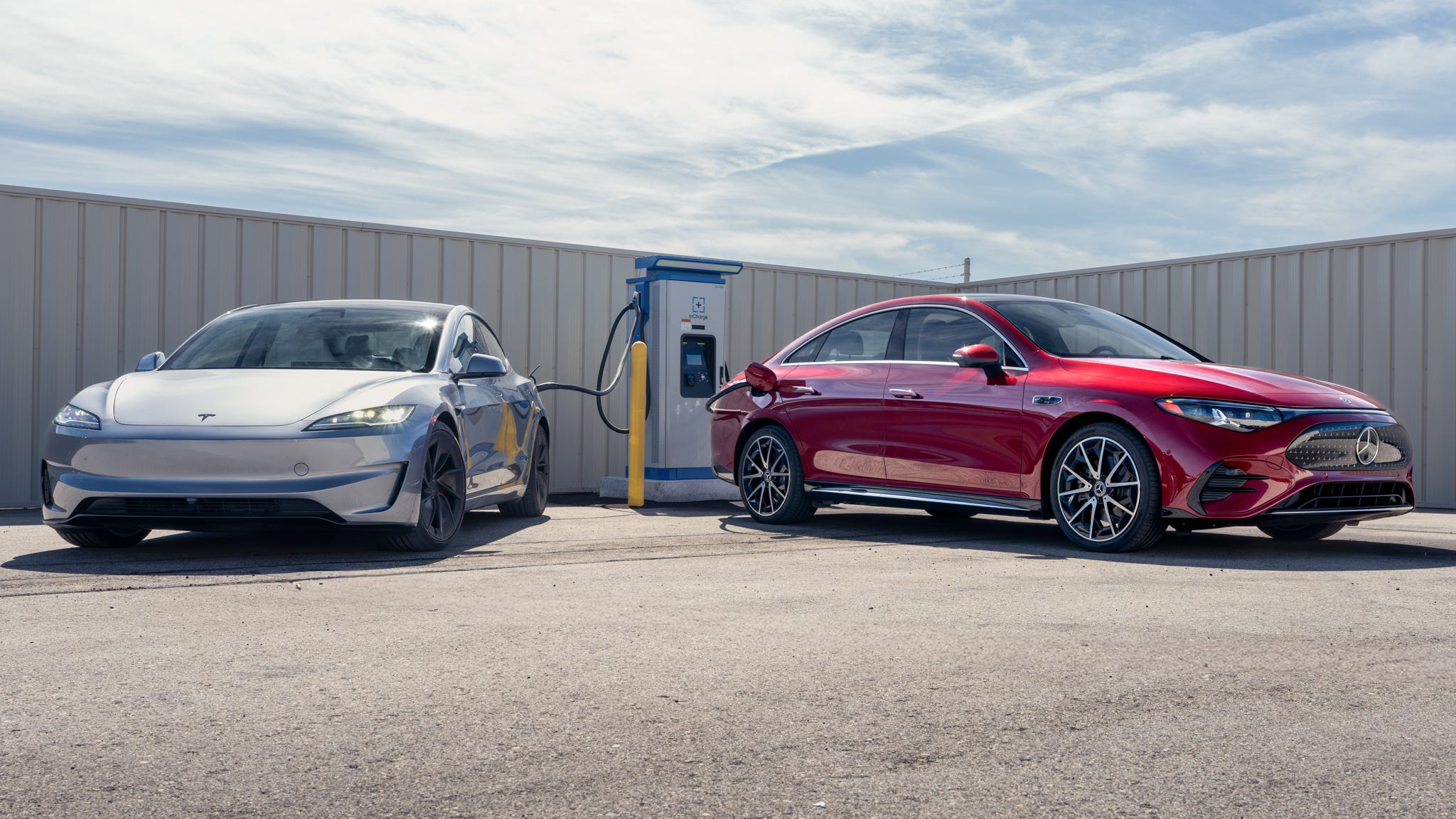
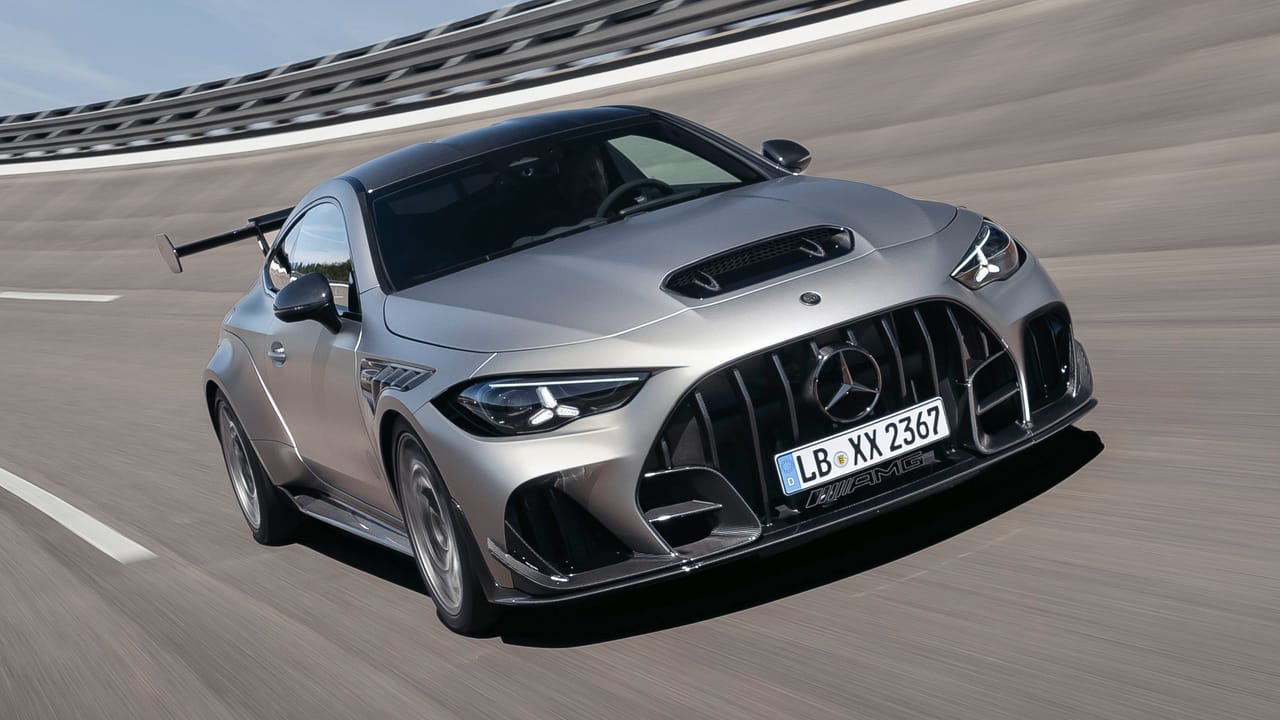
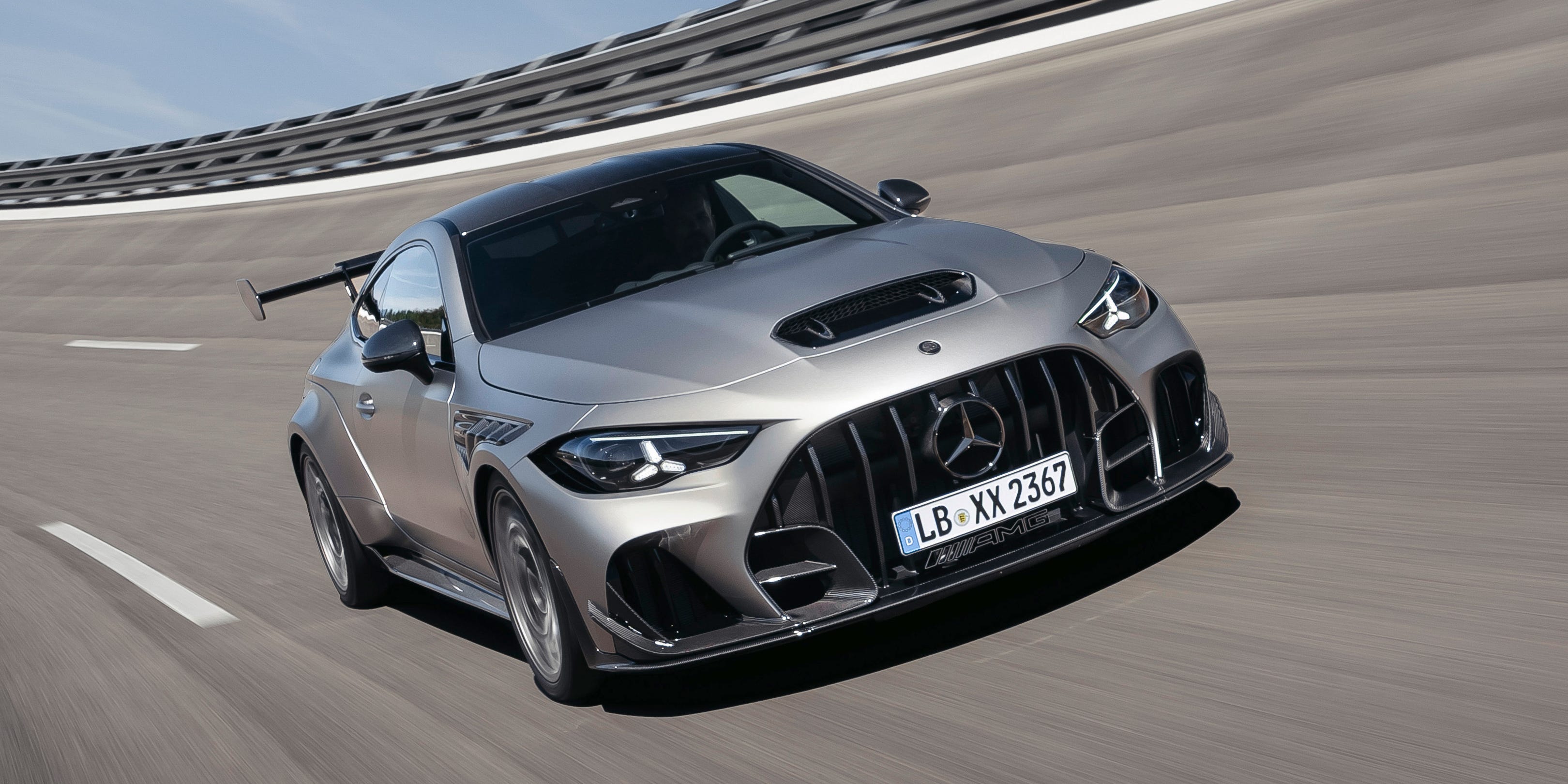
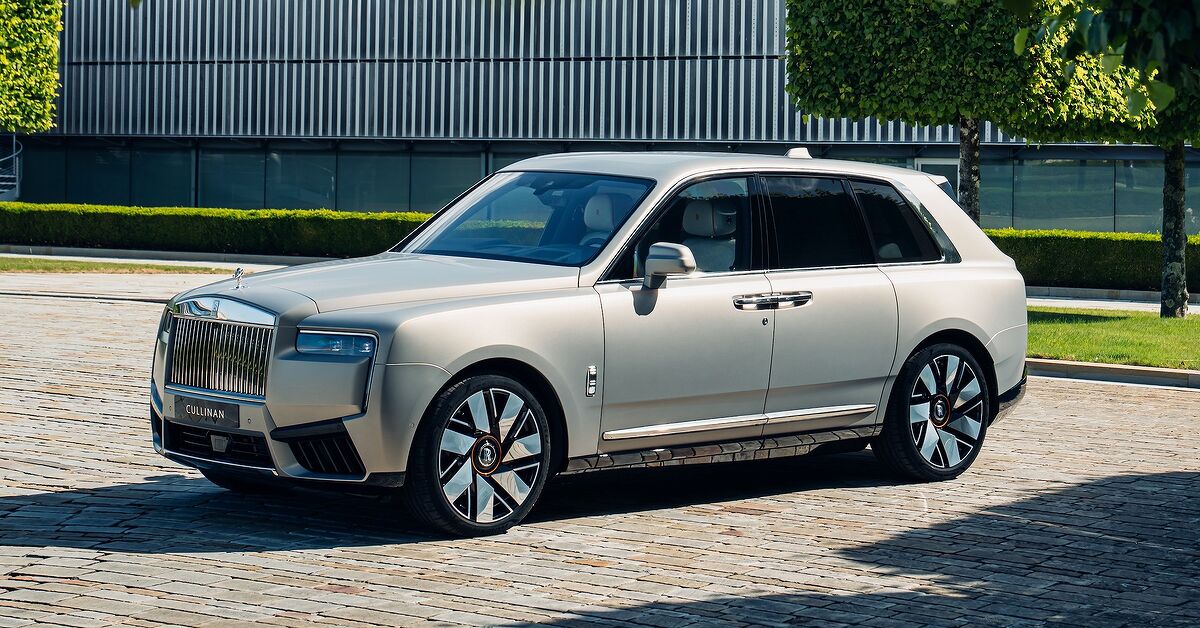
JustPhotos22/Shutterstock It seems Farley is getting his way, because a bill working its way through Congress right now bans automakers with more than 15% Chinese ownership from selling in the United States. There’s just one problem: Many automakers we already have some sort of Chinese ownership, including Mercedes. From Reuters:.
WASHINGTON, Sept 29 (Reuters) – A sponsor of a bill to toughen a US government ban on Chinese vehicles said on Tuesday that talks are ongoing to ensure that German automaker Mercedes-Benz is not banned from selling vehicles in the US.
The bill approved by the Senate Commerce Committee in July would ban companies with more than 15% ownership by Chinese entities from selling vehicles in the US. Mercedes-Benz has nearly 20% passive ownership from Chinese entities.
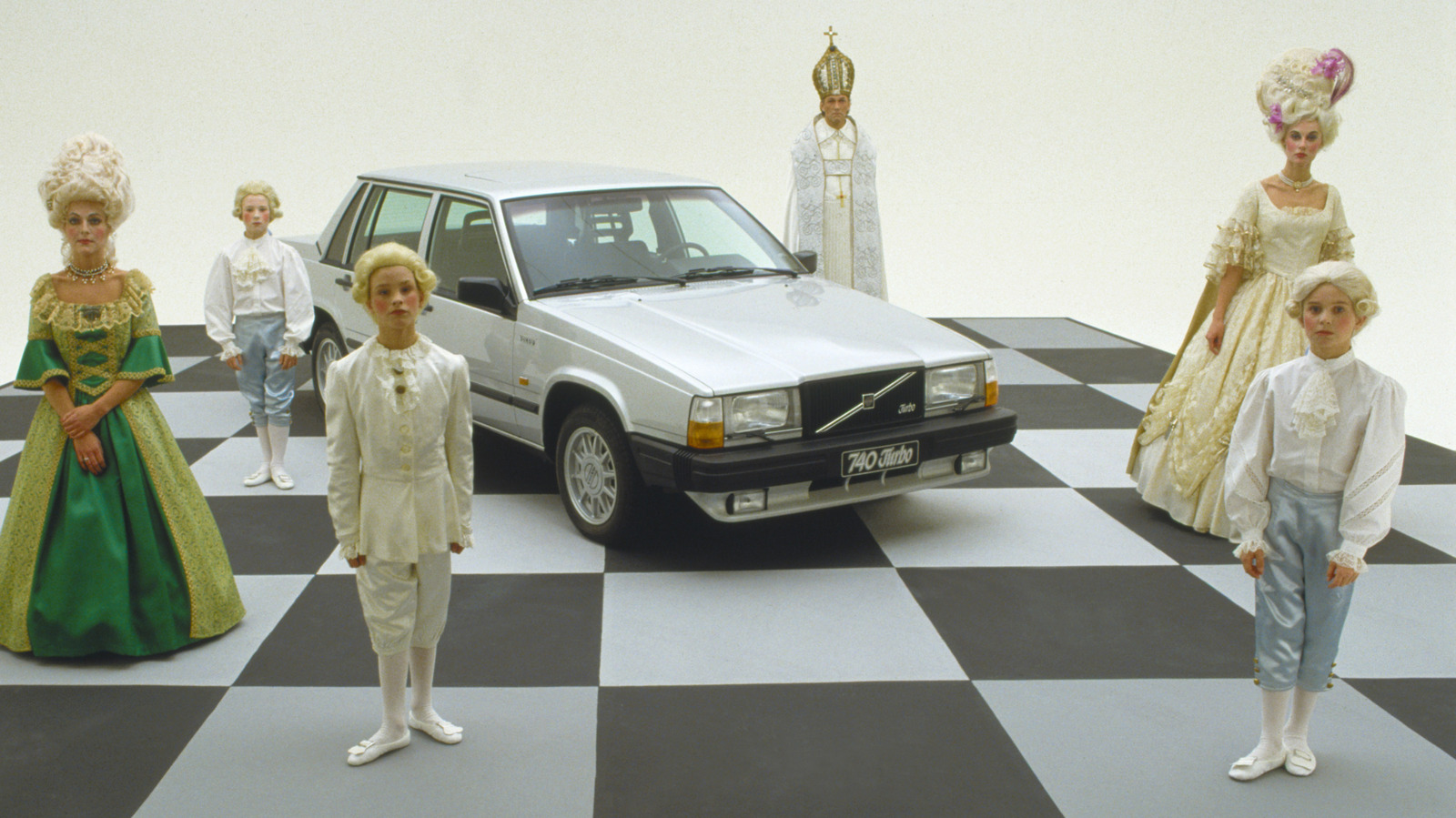
Moreno said there were discussions about how to ensure that Volvo Cars, majority owned by China’s Geely Holding, could continue to sell vehicles in the US. This is a bit of a mask-off move from our lawmakers, because they’re making it clear that Chinese ownership isn’t actually the issue. If Mercedes is fine with its 20% Chinese ownership — or, even more extreme, Volvo’s Geely ownership — then what’s the actual issue here?. Legislators seem fine with the money spent on vehicles in the U.S. Going to Chinese pockets, they just seem concerned that it not happen via a car with a Chinese badge on the hood. This is so dumb.
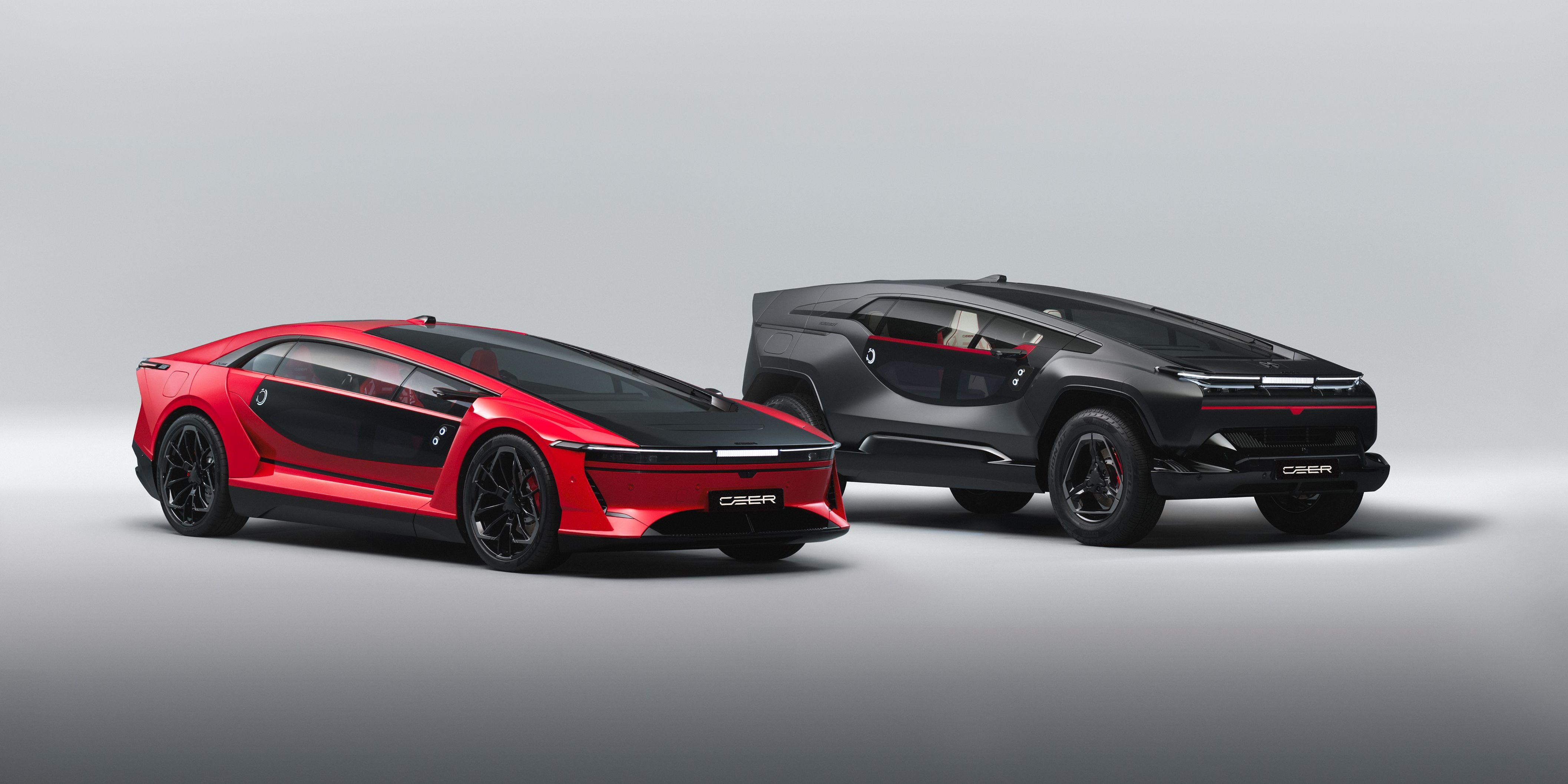
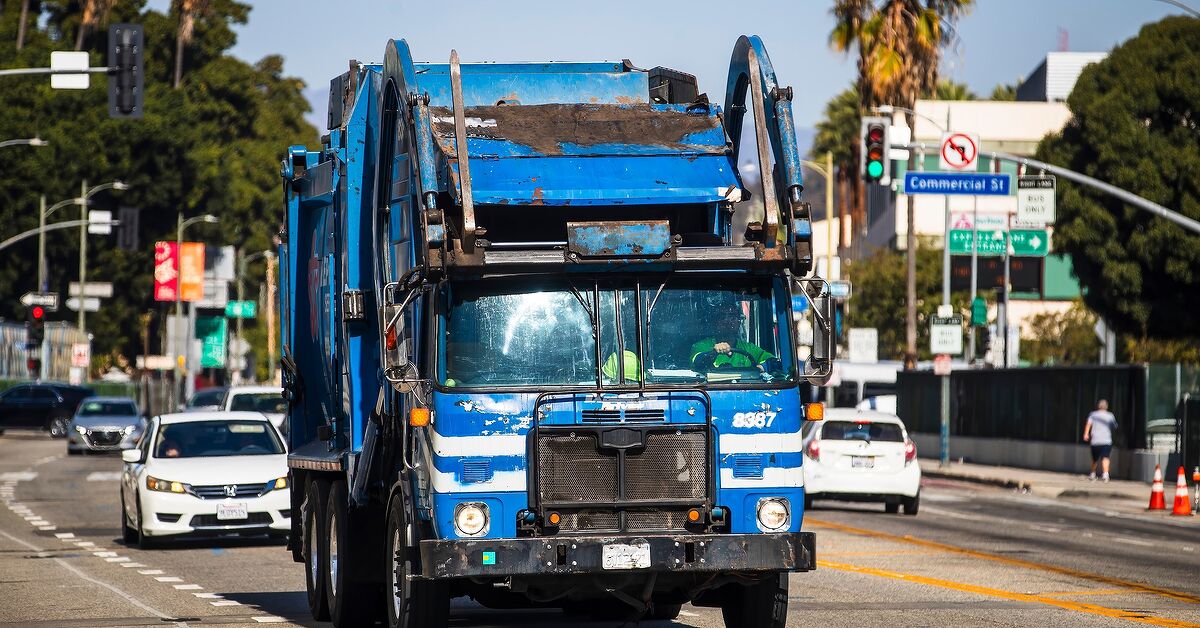
Vitpho/Shutterstock Here in the United States, we love our smoke-spewing Peterbilts like we love our baseball and apple pie. Attempts to replace them with alternative fuels, via vehicles like the Tesla Semi or whatever Nikola was doing, have largely turned out to be vaporware. But in China, truckers are already going electric, and it’s saved their skins in the face of rising oil prices. From Bloomberg:.
Qu is one of thousands of drivers powering a profound shift in the world’s biggest oil import market. Chinese e-truck sales jumped almost 80% in the first half from a year earlier, according to BloombergNEF, getting a boost as the US-Iran war and Ukrainian attacks on Russian refineries sent diesel prices soaring. They are on pace to account for close to a third of all rigs sold this year, up from just 8% a couple of years ago.
Why It Matters
Farley said at an Automotive News conference on Tuesday that the US must “be extremely careful around how the Chinese OEMs come to our country,” and cited the pressure on Europe’s auto industry as Chinese imports quickly grab market share there.
CarMotion Daily’s Take
Moreno said there were discussions about how to ensure that Volvo Cars, majority owned by China’s Geely Holding, could continue to sell vehicles in the US. Watch this space over the coming weeks. Markets rarely reward single announcements — execution over the next two to four quarters is what closes the gap between press release and customer. How this lands depends less on the announcement itself and more on the rollout, dealer support, and after-sales story behind it. Specifics on pricing, availability, and regional rollout will tell us whether this moves from headline to delivery. Independent verification and follow-up coverage from rival outlets tend to firm up the picture within days.
📝 Source & Copyright Notice
This story was first reported by Jalopnik. For the full article with original photography and complete coverage, visit the source: Read the full story at Jalopnik →