The Story
The whole point of a recall is that the fix fixes it.GM.
Report: GM Allegedly Pumping The Breaks On Full-Size EVs Connie Peters Drives The 2026 Ford Explorer Tremor Chinese Vehicle Content Rules Forcing Polestar Out of U.S. Next Year See Edits 2.6K Views GM’s 6.2L V8 Fix Isn’t Fixing It, and NHTSA Noticed by TTAC News Staff (IC: ) Published: August 26th, 2026 Share The whole point of a recall is that the fix fixes it. GM’s remedy for its troubled L87 6.2-liter V8 didn’t get that memo. The National Highway Traffic Safety Administration has opened an Engineering Analysis into hundreds of engine failures that happened after dealers performed the recall work.
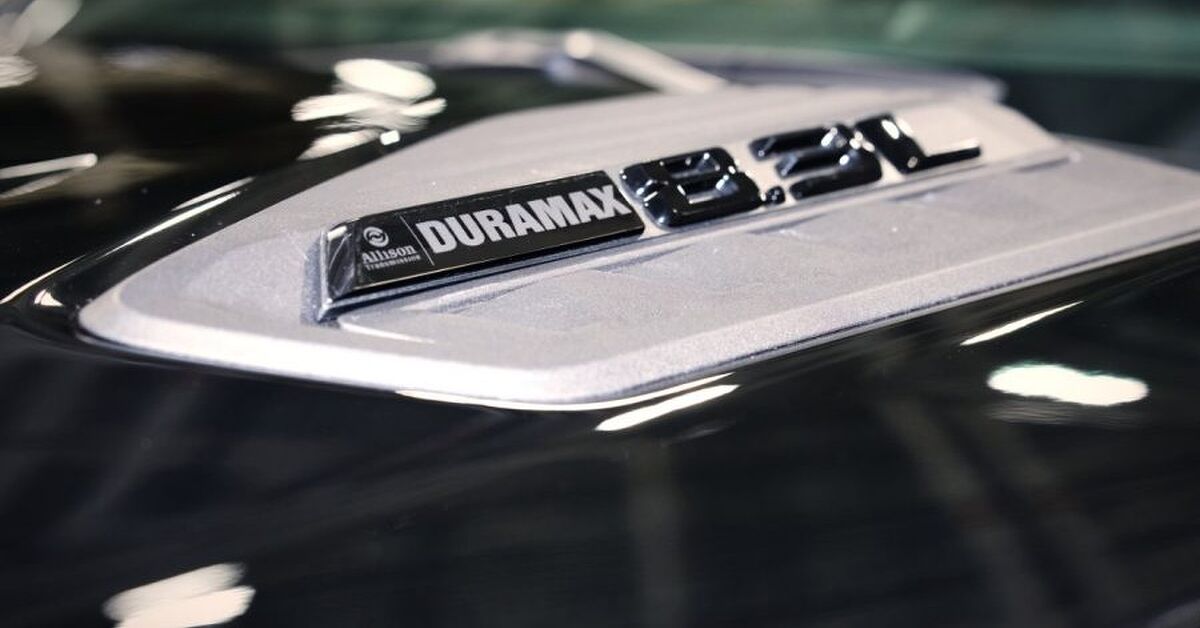
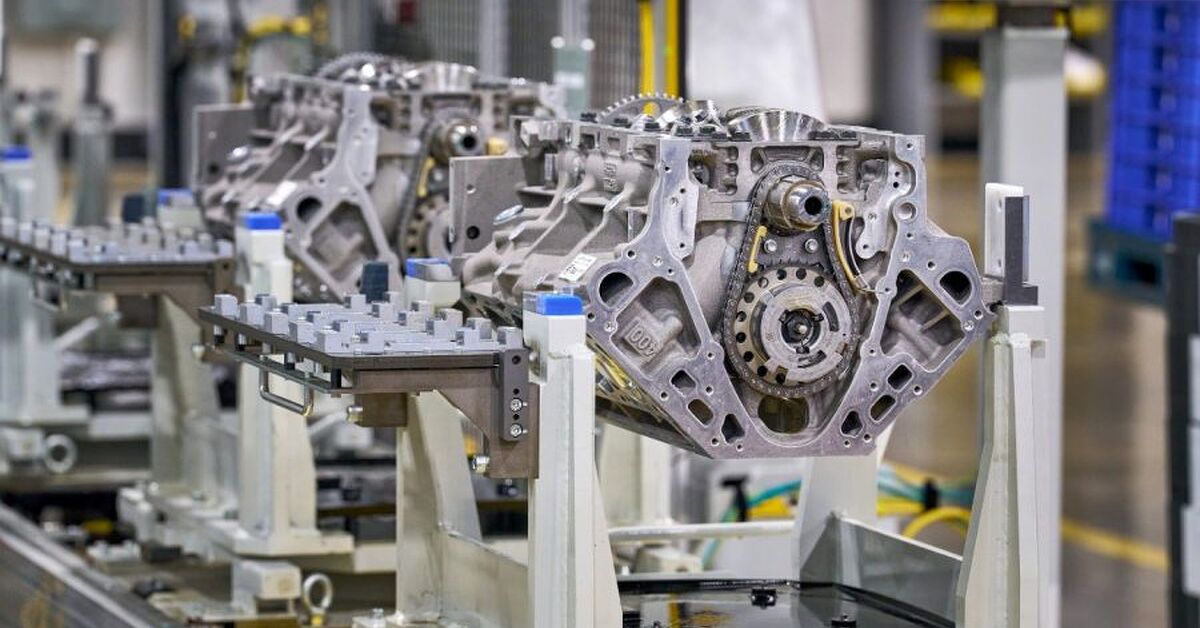
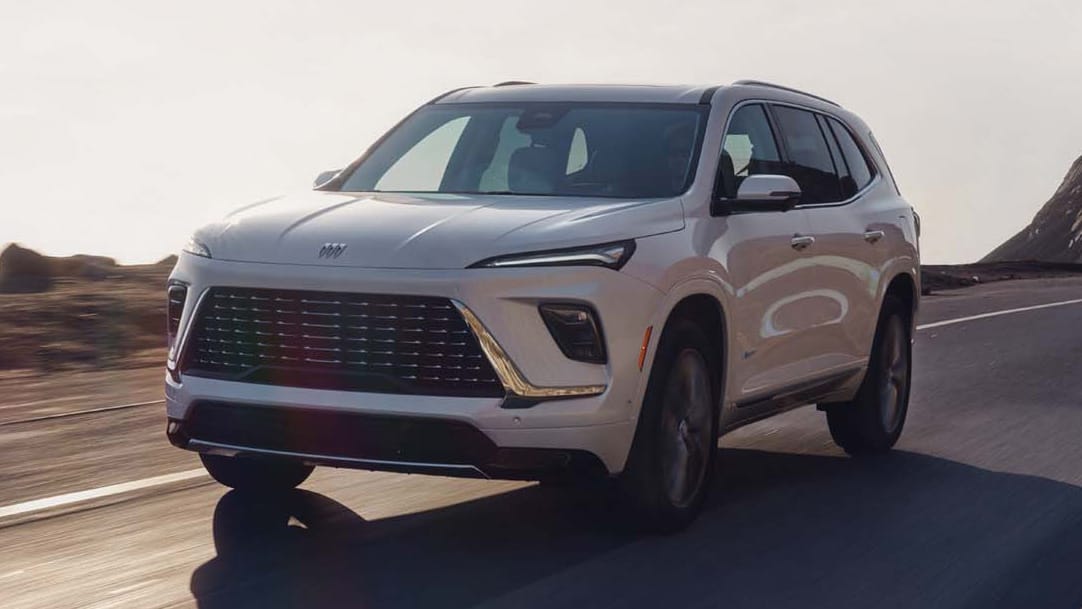
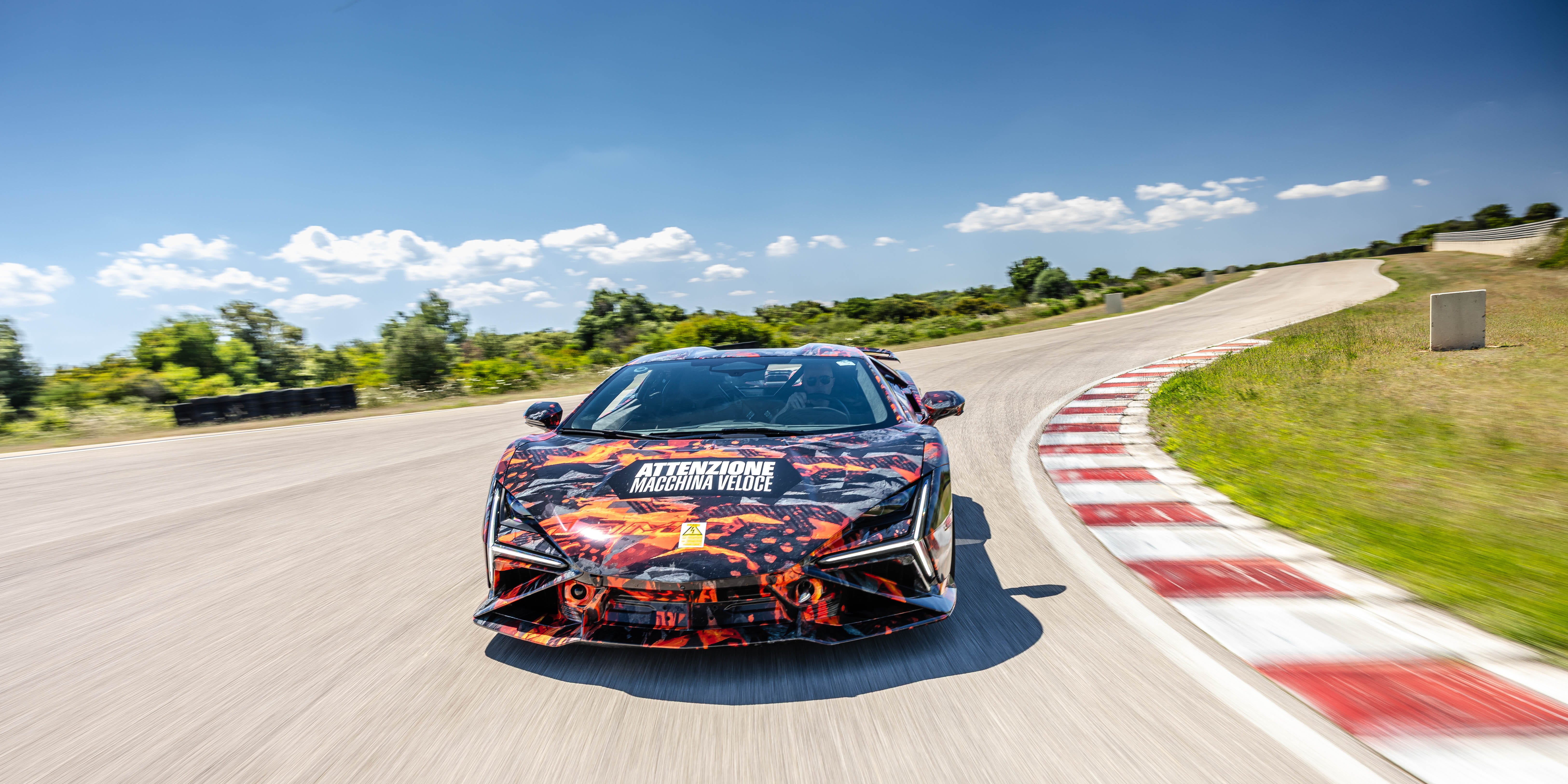
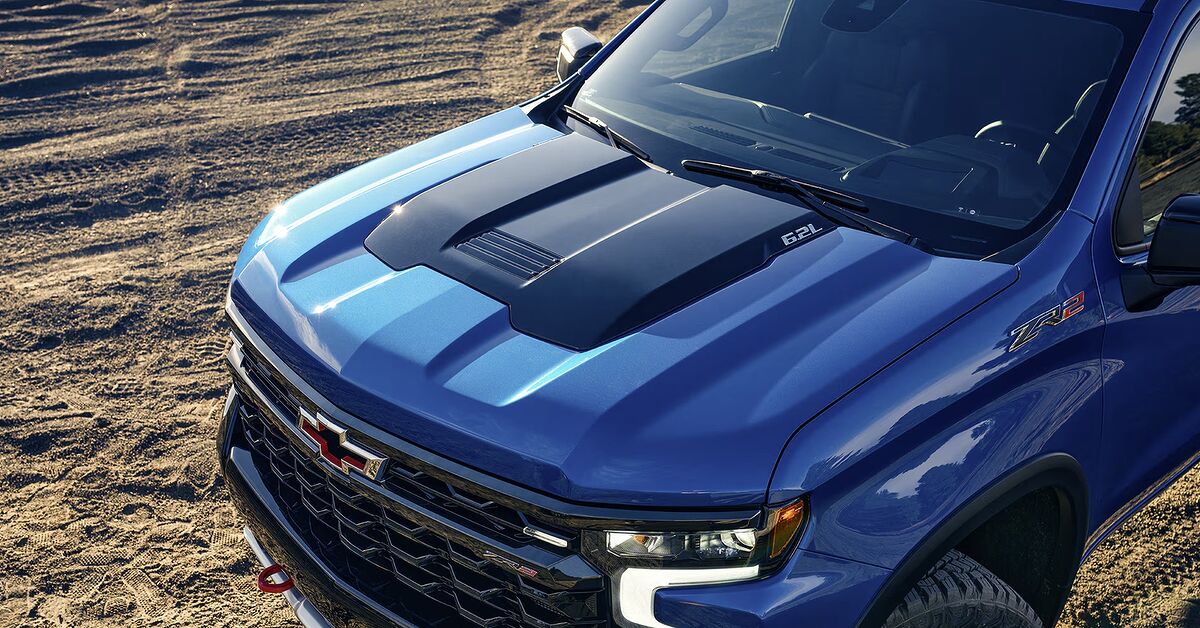
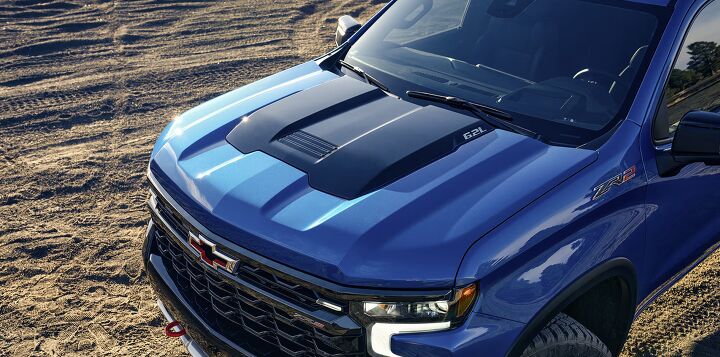
How we got hereThe saga began with GM recalling nearly 600,000 L87 V8 engines after 28,000 of them suffered crankshaft, connecting rod, or engine bearing failures. This is the big V8 that powers some of GM’s most popular models — the Chevy Silverado 1500, Suburban, and Tahoe, the GMC Sierra 1500 and Yukon, and the Cadillac Escalade. Under the recall, engines were inspected and either repaired or replaced.
The engines that passed inspection got respecified to run 0W-40 oil instead of the original 0W-20, along with a new oil filter, a new filler cap stamped with the 0W-40 spec, and an owner’s manual update to match. The theory was that thicker oil would eliminate the risk of damage from manufacturing defects in the connecting rods and crankshafts. Case closed, problem solved, everyone drives happily into the sunset.
NHTSA has since received reports of 499 additional engine failures that occurred after the recall work was done. Of those, 473 had been switched to the thicker oil, and 26 were replacement engines. Separately, GM logged 6,953 reports of post-recall engine failures — well over 10 percent of the recalled fleet. Numbers like that raise an obvious question about whether pouring in heavier oil ever actually addressed a manufacturing defect.
The NHTSA Office of Defects Investigation has now opened an Engineering Analysis to determine whether the recall worked at all, and it points to more evidence that it may not have. The 26 replacement engine failures are the most damning detail. The recall covered engines built between March 1, 2021, and May 31, 2024. The replacements were manufactured after that window and should not have failed in the same way, yet they did.
On top of that, there have been 191 reported failures of engines built after the original recall’s 2024 cutoff. So the Engineering Analysis isn’t limiting itself to the originally recalled units. It now sweeps through the 2026 model year, expanding the probe to 997,743 engines, per NHTSA.
GM moves to a new 6.6-liter engine for the 2027 models, which conveniently sidesteps the L87 question going forward. Even so, having nearly a million engines under investigation is a rough look — for catastrophic failure and for a recall that may not have remedied anything.
Plenty of GM owners want the thicker oil spec applied to the new V8s, on the logic that heavier oil was supposed to be the whole fix for the L87. Whether that holds up remains to be seen, given that the fix hasn’t held up so far.
There’s no new recall prescribing an additional remedy yet. But one may be coming: an Engineering Analysis is typically NHTSA’s final step before ordering exactly that.
Sorry , don’t think so .These engines have dimensional defects .They are junk .A neighbor just bought his wife a new escalade .Did not have 300 miles on it .Engine noises , loud.Took it in , dealer says there’s a problem with the motors , but higher viscosity oil will fix it .Next day the motor failed ….on the freeway with his wife and two toddlers and 100 degree temp .Dealer apologized and promised a fix .He wanted his money back and got it .He bought a Navigator ( black label (?), and they love it .gm sucks .
Why It Matters
Next Year See Edits 2.6K Views GM’s 6.2L V8 Fix Isn’t Fixing It, and NHTSA Noticed by TTAC News Staff (IC: ) Published: August 26th, 2026 Share The whole point of a recall is that the fix fixes it.
CarMotion Daily’s Take
Supply chains, regulations, and consumer demand are reshaping the playbook faster than five-year plans can keep up. Dealer networks and service capacity will need to evolve alongside whatever the headline announcement implies. Regulatory filings, supplier contracts, and any production-volume adjustments usually trail the headline by a quarter or two. Stock price moves and dealer council chatter are leading indicators worth monitoring.
📝 Source & Copyright Notice
This story was first reported by TTAC. For the full article with original photography and complete coverage, visit the source: Read the full story at TTAC →