The Story
Bentley's first electric car, a luxury sports SUV with a new design language, will be revealed in September. evo hops aboard a prototype for a first experience on the road.
Bentley Torcal, the brand’s first fully electric car, will be revealed in full on 23 September 2026. A five-metre-long SUV, it will sit below the Bentayga, Continental GT and Flying Spur as an entry point to the Bentley range, and its aim is growth: the Torcal’s mission to attract new customers to grow the brand, including those who may not have previously considered buying a Bentley.
It’s not intended to be an electric Bentayga alternative; its brief is to be a model all of its own, with a unique character and attributes. Pricing is yet to be confirmed but the Torcal’s starting price will be below that of the Bentayga. It will be sold in every market around the world Bentley’s other models are currently sold in.
> Bentley Continental GT review – not Ferrari sharp, but still the ultimate grand tourer. The arrival of the Torcal provides Bentley with a three-pronged powertrain attack adding to the existing plug-in hybrid V8s in the GT and Flying Spur and pure combustion-engine power in specials such as the new Supersports.
While Bentley is keeping the technical specifications quiet until the September reveal, it has confirmed the Torcal’s target driving range is in excess of 370 miles and that it will have more than 838bhp and 738lb ft to call upon.
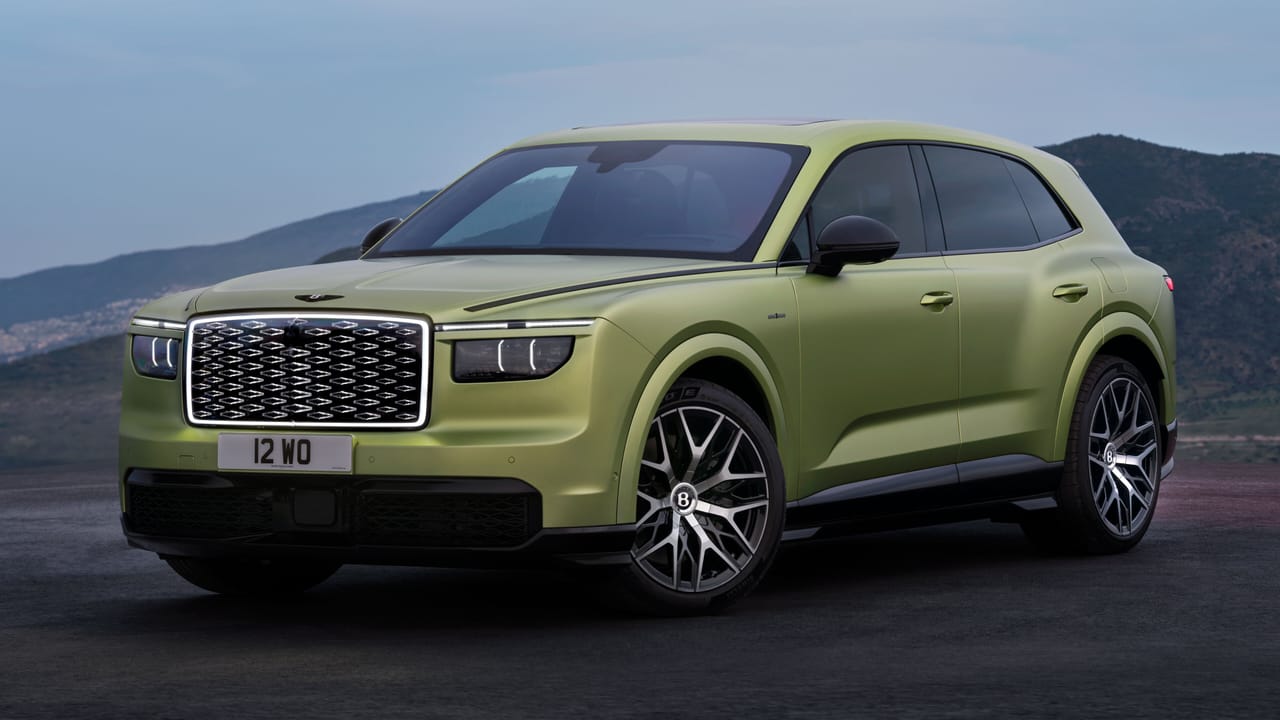
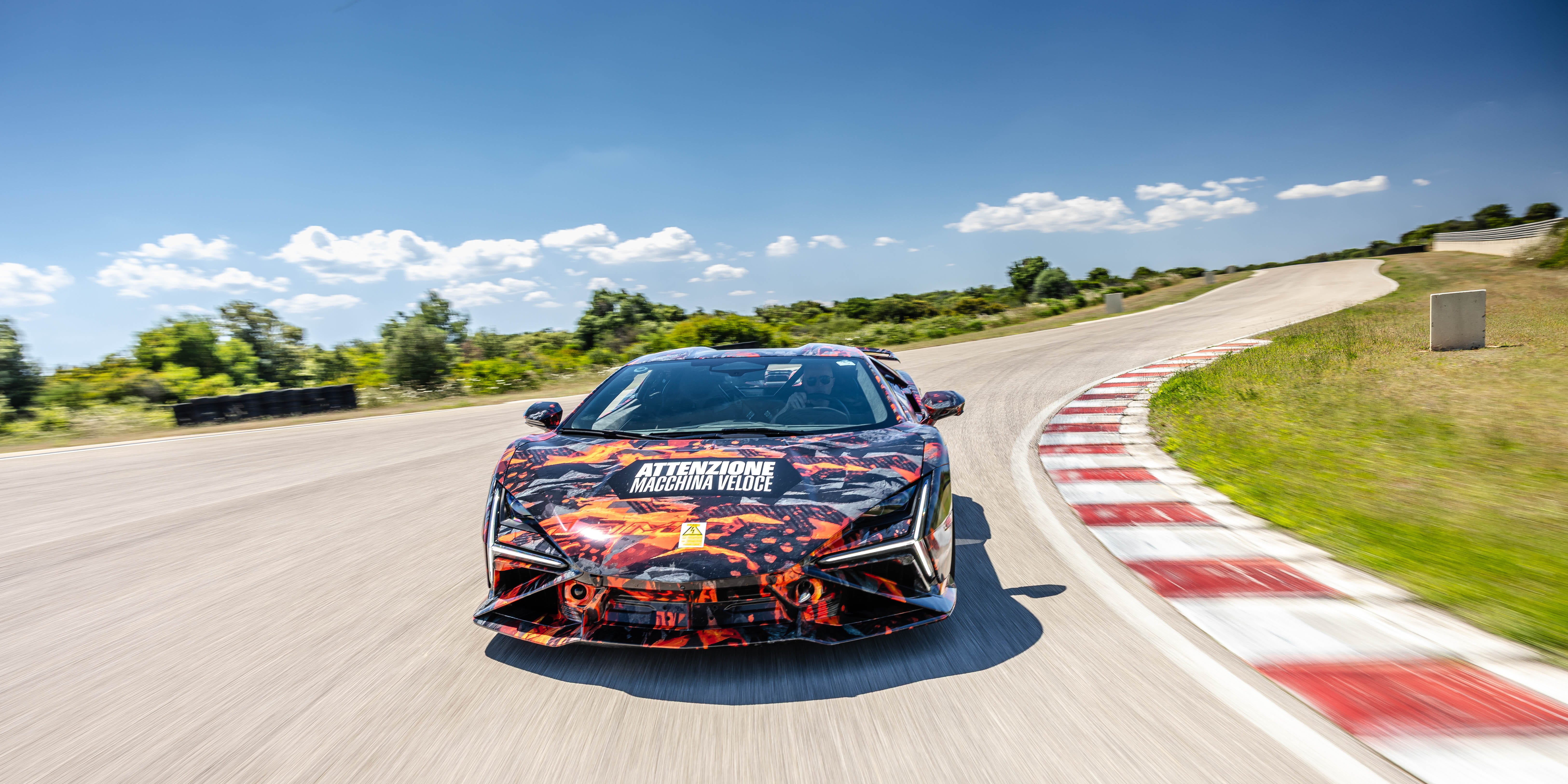
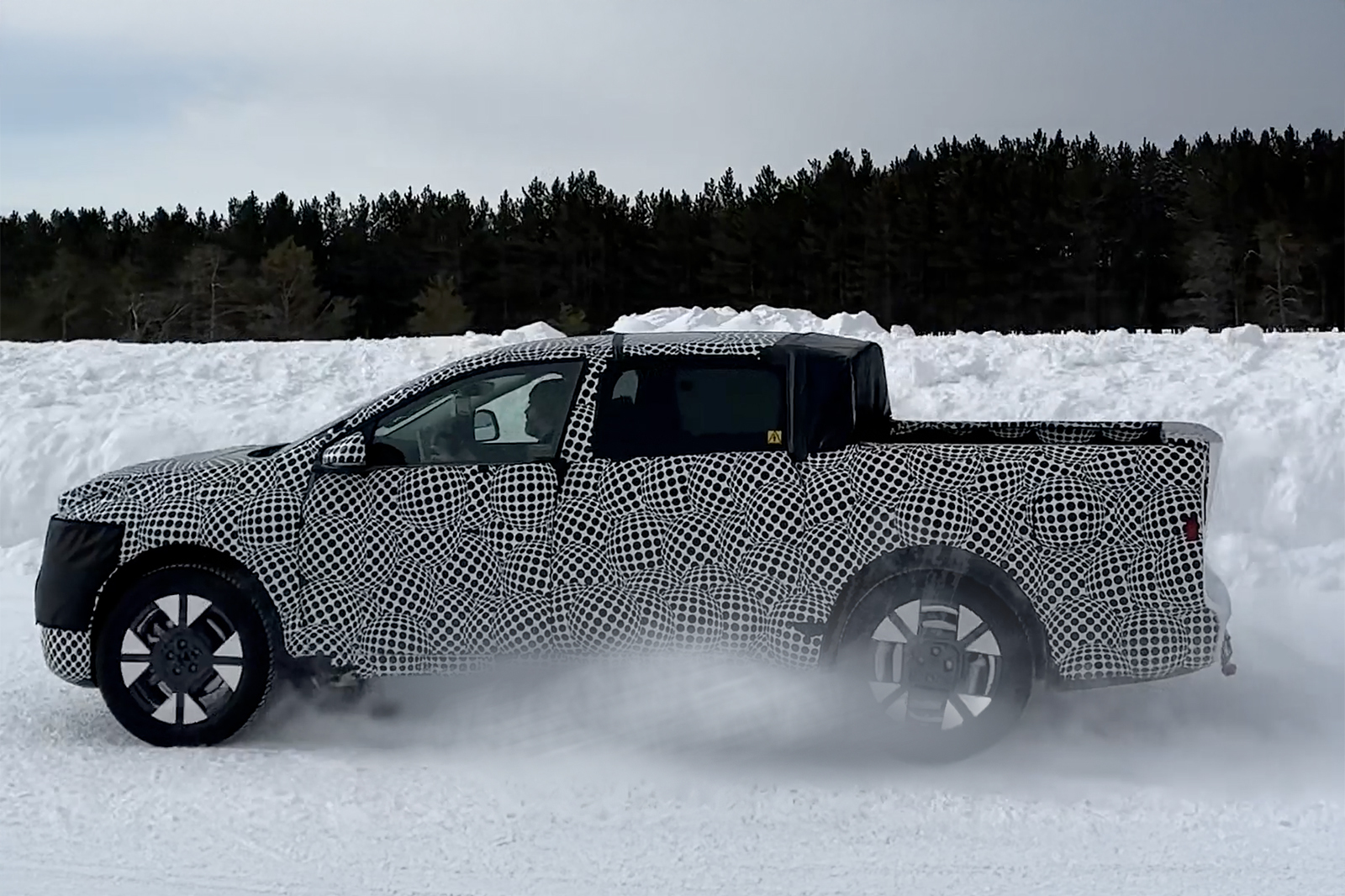
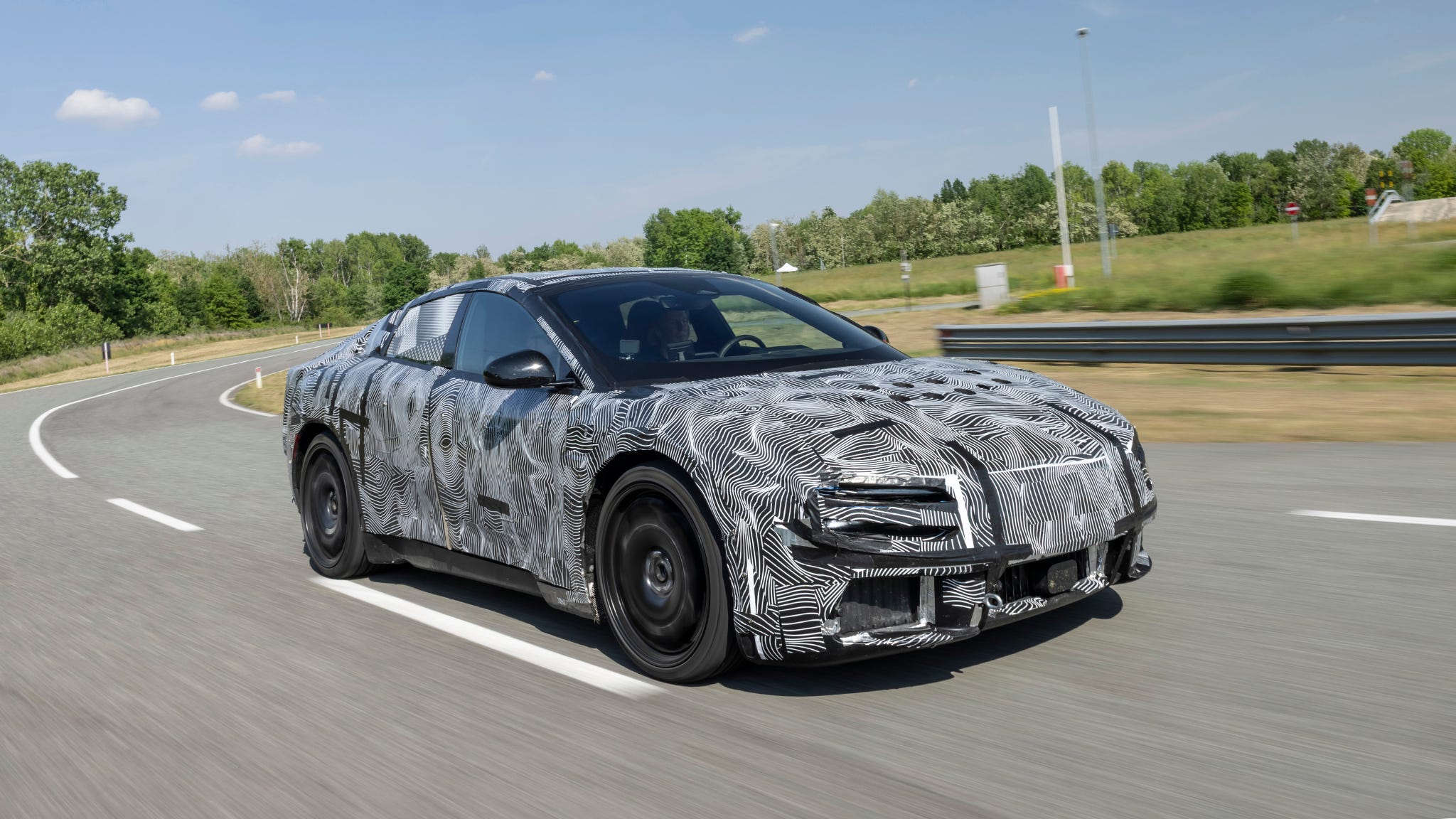
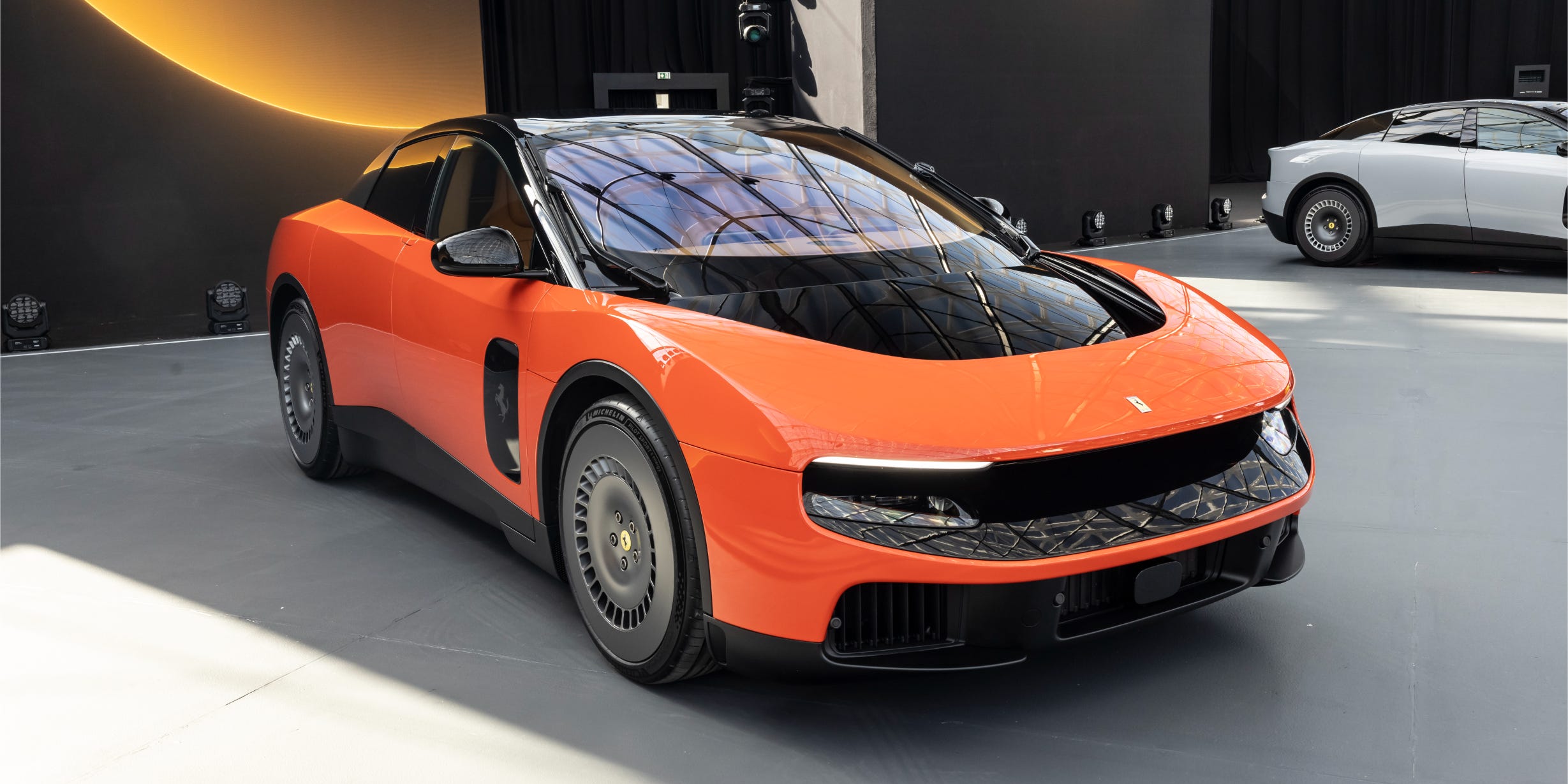
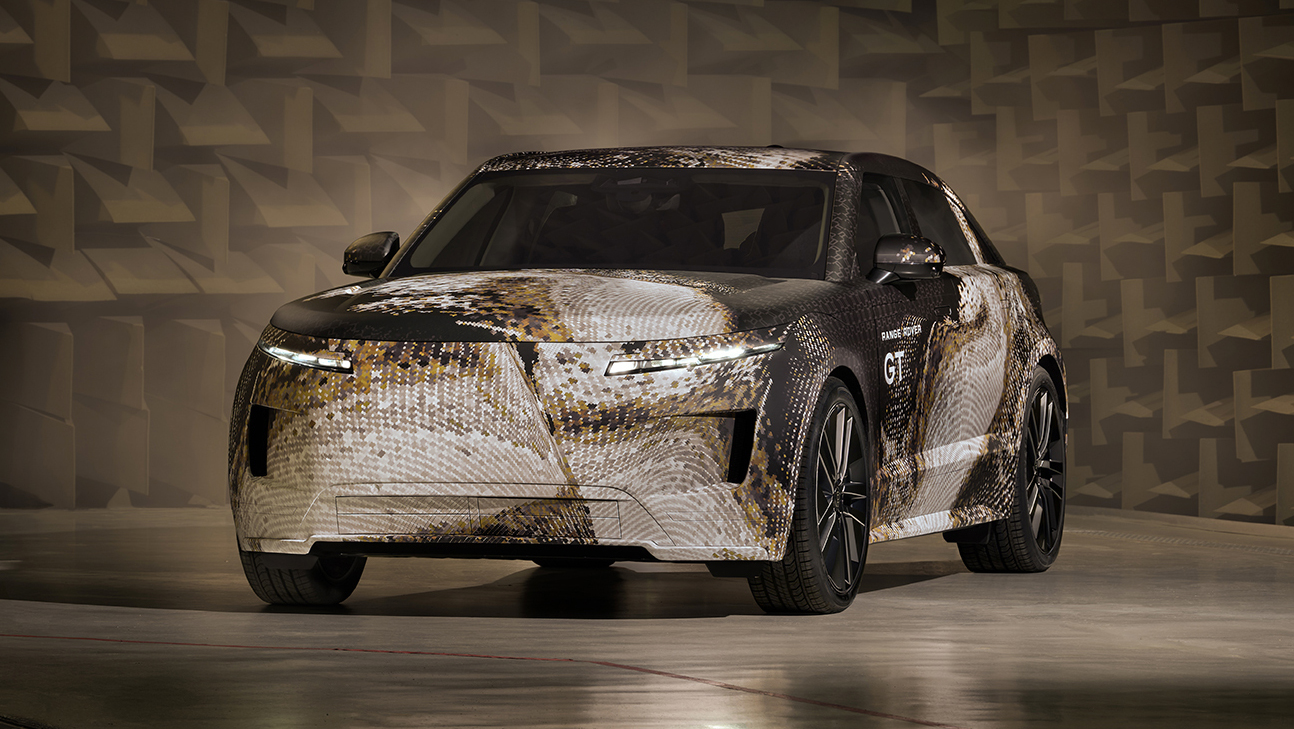
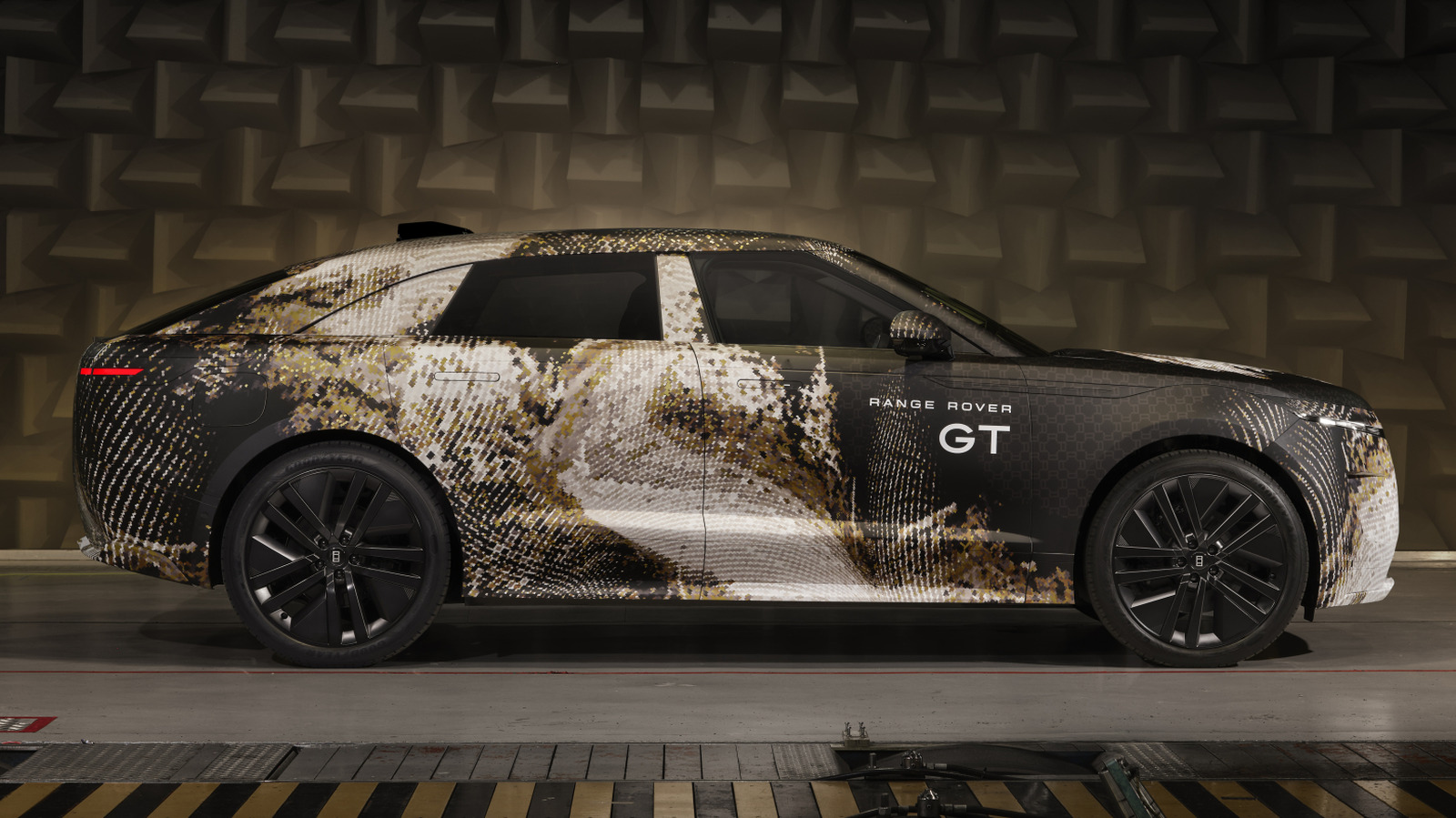
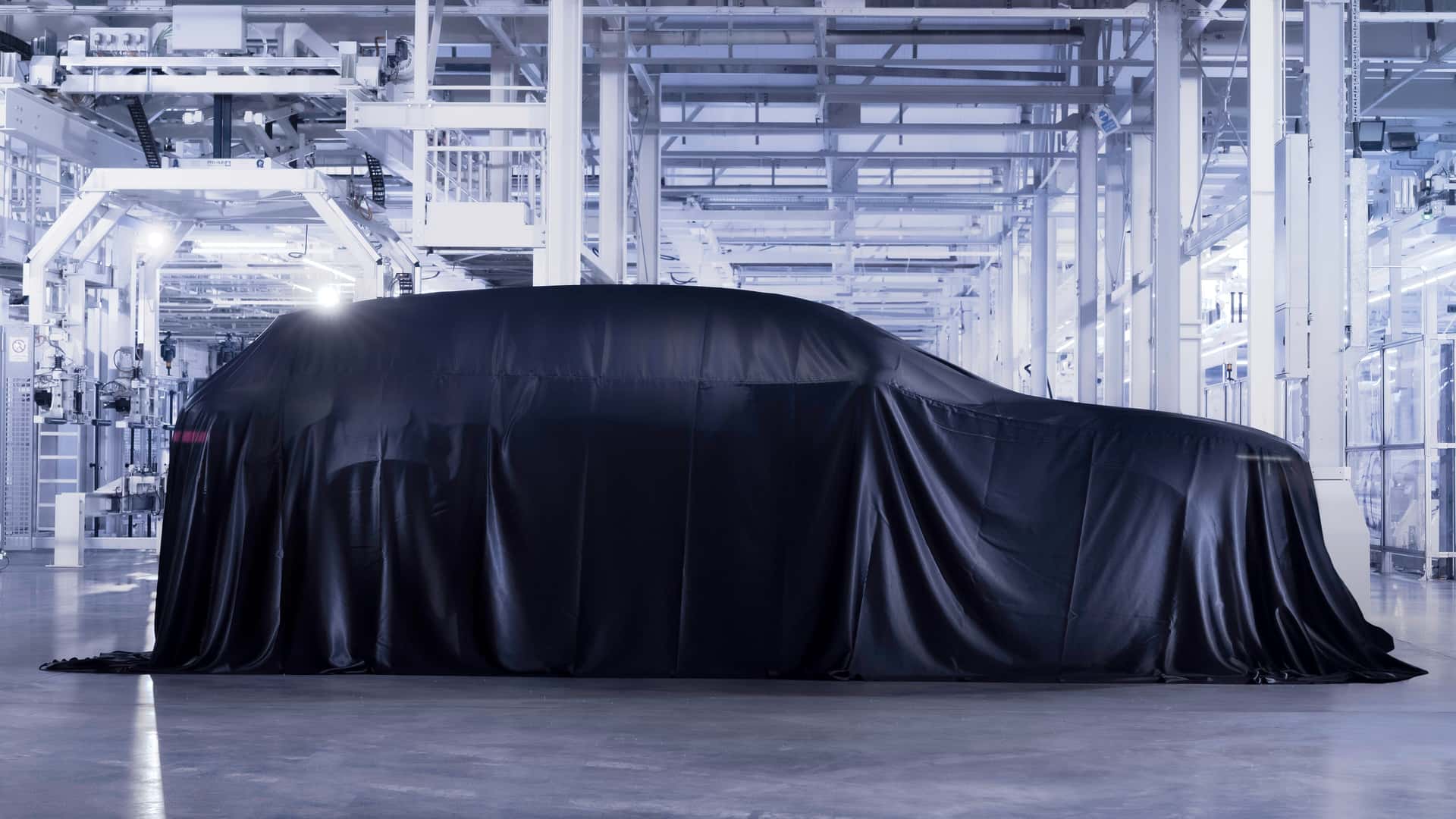
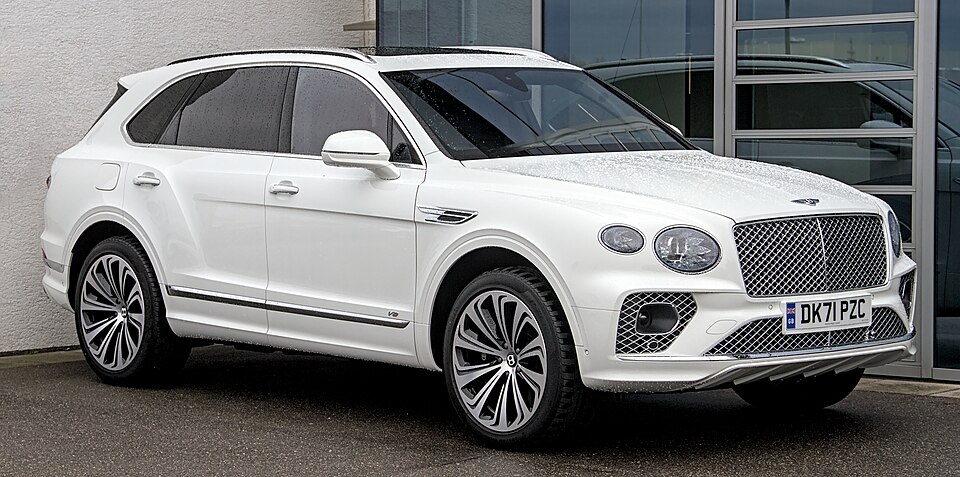
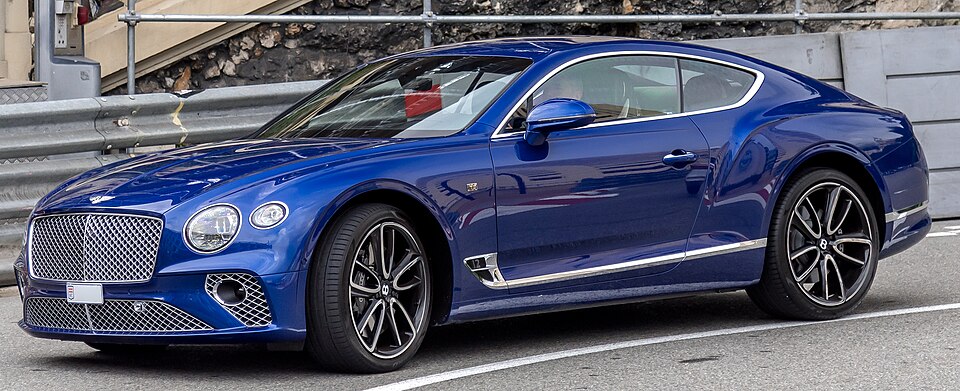
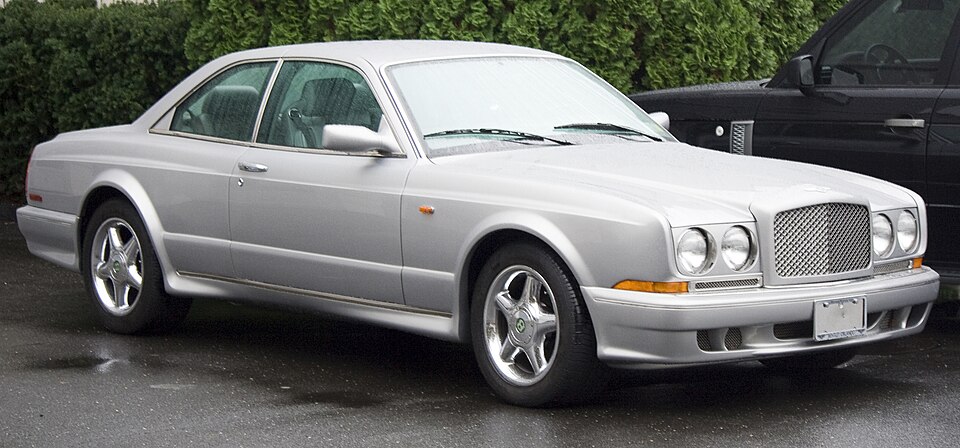
The camo graphics and body cladding make it difficult to get a sense of the design in these pictures but evo has had a preview without the disguise and it’s striking: not in a shocking Ferrari Luce way, but with a very confident language that blends traditional Bentley design cues – think of the Continental R and T models of the latest 1980s and ’90s, and the Brooklands of the early Noughties – that provides a reassuring guide to the future of Bentley design. Cast your mind back to the EXP15 concept and there are some design cues around the front of that car that provide a strong idea of what the Torcal will look like.
The Torcal is also a square-edged, broad-shouldered Bentley. Its surfaces feature tight, crisp creases like an immaculately pressed shirt. The detailing is considered, fuss-free and without unnecessary details. The illuminated front grille won’t be for everyone but it can at least be turned off. There’s a confidence to the design, sitting both low to the ground for an SUV and featuring a lower-than-expected roofline. Its four-square stance creates an optical illusion of a smaller footprint.
We’ve had an advance passenger ride in a camouflaged prototype Torcal on the road in the USA. Surprise Number One lands as soon as the Bentley Torcal comes into view. This is a fully camouflaged prototype, wearing body cladding and eye-throwing graphics, but the essentials and proportions come across clearly: while it’s far from a small car, this is a noticeably lower, shorter product than the Bentayga, with a more compact silhouette. (Precisely, it’s 120mm shorter overall, and around 300mm shorter than the stretched Bentayga EWB).
Which tees up the second surprise: getting aboard, there’s a huge amount of space, both in terms of legroom in the front and rear, and also headroom, despite a standard full-length glass roof. Interior space is on par with a Bentayga owing to the ‘skateboard’ EV platform’s packaging. That said, you do get a slightly better view from the rear seats in a Bentayga, with a higher vantage point and lower window line. The beltline is a little higher in the Torcal, and you feel a little more embedded in the car.
That platform, labelled PP41C, is shared with Porsche’s electric Cayenne, though many of the Bentley’s components are unique and it has been engineered and developed separately. They are the only two models within the VW Group to use this particular platform; the Audi Q6 and Porsche Macan, for example, are built around slightly different architecture.
Driving us is the product line director for the Torcal, Martin Page. When he switches the car on, there’s another surprise: it sounds like a V8 has just erupted into life. This is the Torcal’s ‘propulsion sound,’ inspired by the pushrod V8 engine from the Bentley Continental R of the past. It’s not based on a sample of that engine, however: it’s been programmed based on live recordings of musicians replicating the engine’s firing order on percussion instruments. It rises and falls with torque demand, rather than accelerator position, and fades away during steady-state driving.
Why It Matters
The camo graphics and body cladding make it difficult to get a sense of the design in these pictures but evo has had a preview without the disguise and it’s striking: not in a shocking Ferrari Luce way, but with a very confident language that blends traditional Bentley design cues – think of the Continental R and T models of the latest 1980s and ’90s, and the Brooklands of the early Noughties – that provides a reassuring guide to the future of Bentley design.
CarMotion Daily’s Take
Bentley Torcal, the brand’s first fully electric car, will be revealed in full on 23 September 2026. Watch this space over the coming weeks. Electric momentum is uneven across the industry, and moves like this reshape how buyers compare EV lineups. Range, charging speed, and price still dominate EV shopping — every new entry forces competitors to either match or reposition. Watch for EPA range certifications and DC fast-charge benchmarks once independent tests land. Pricing tiers, software updates, and any regional trim adjustments will tell us how serious the launch intent is.
📝 Source & Copyright Notice
This story was first reported by Evo-GN. For the full article with original photography and complete coverage, visit the source: Read the full story at Evo-GN →