The Story
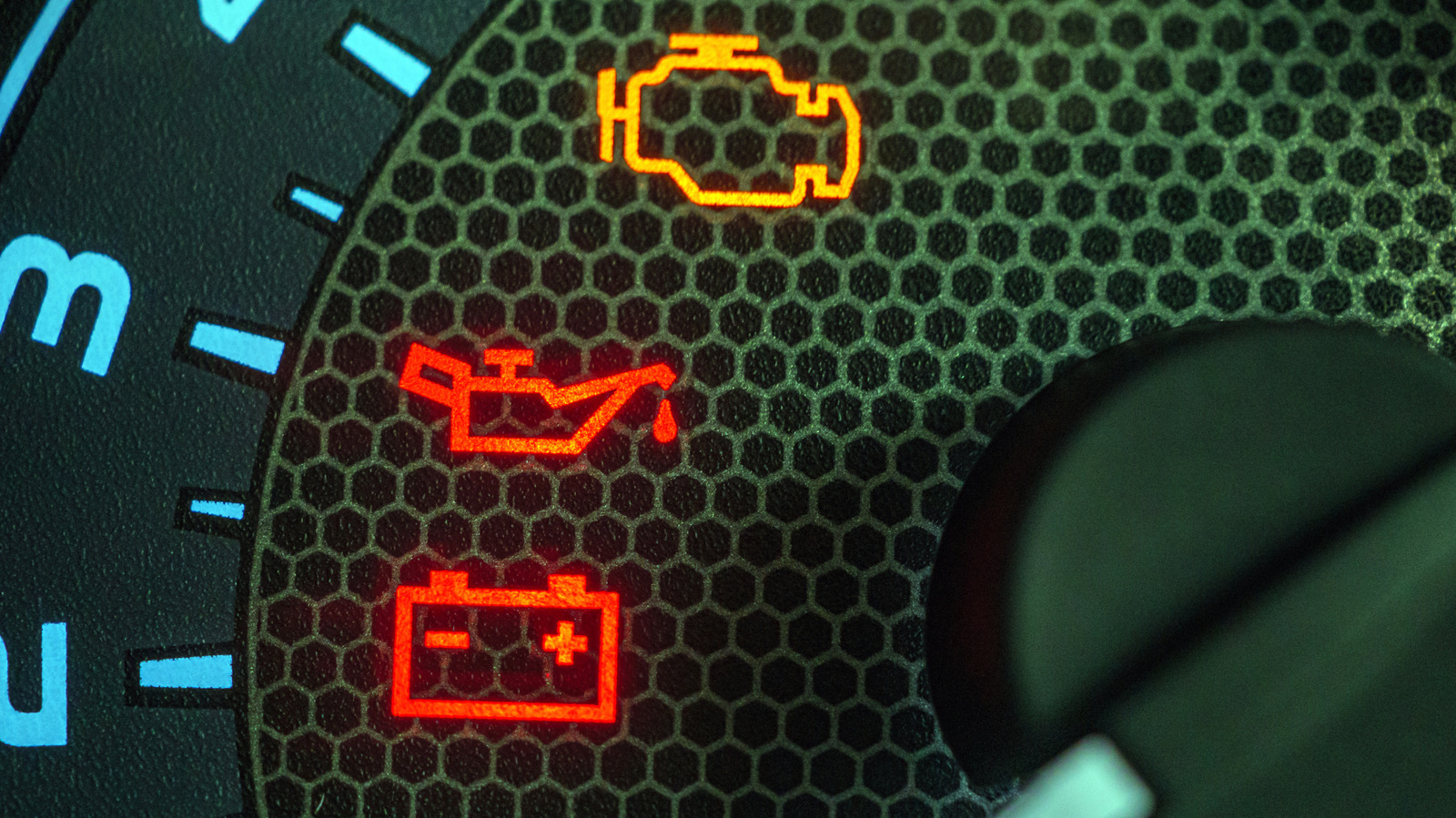
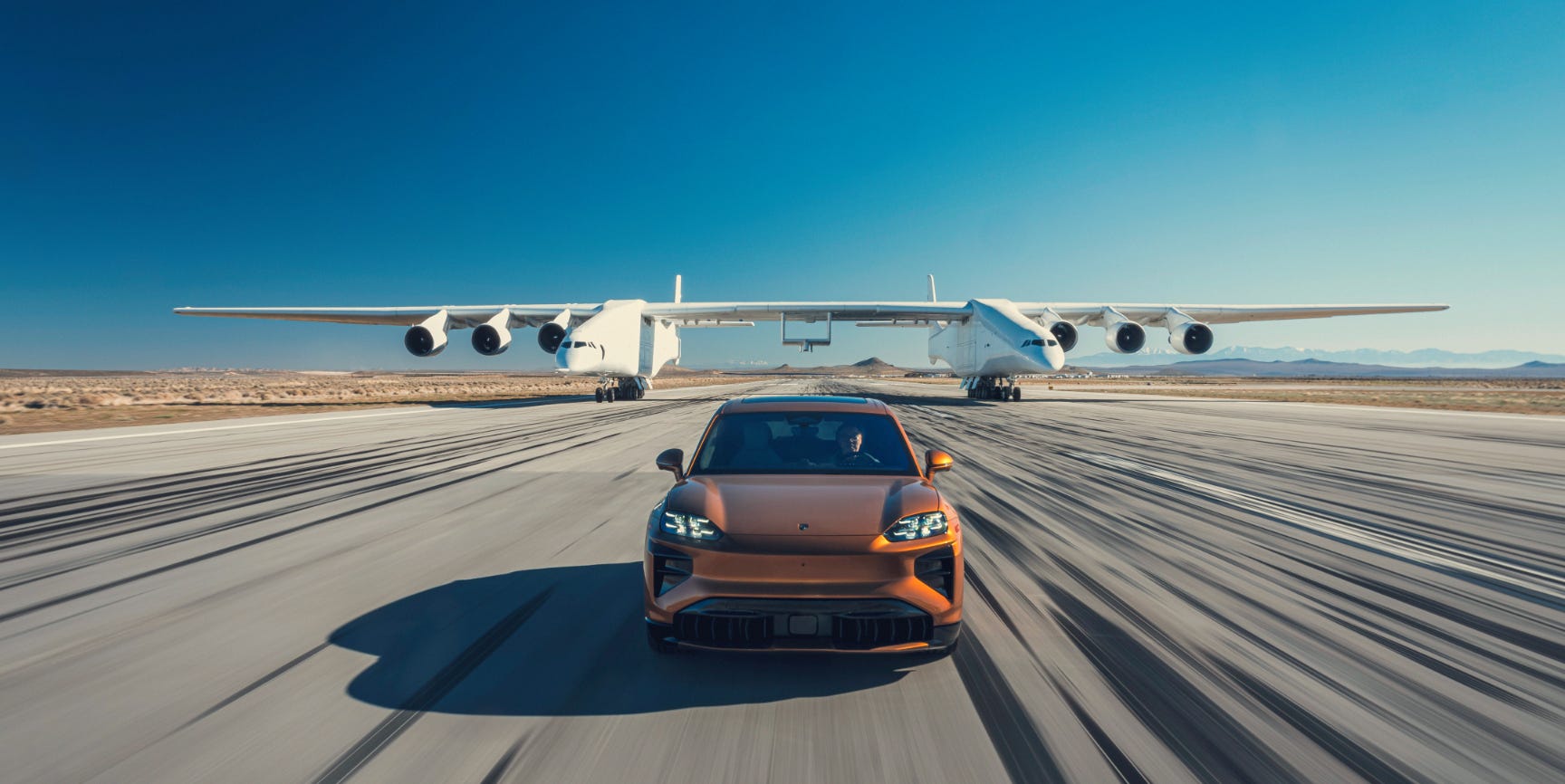
Xiaomi has introduced its SkyNomad sub-brand with the N70 and N90 extended-range electric vehicle crossovers. Both models pair a 1.5-liter turbocharged four-cylinder engine, functioning solely as a range extender, with an all-electric drivetrain. The automaker’s service schedule shows the first oil change isn’t required until the end of the first year or after 10,000 kilometers of driving. Subsequent oil changes are recommended every three years or 30,000 kilometers traveled on the gasoline engine.
Why It Matters
Extended-range EVs have gained popularity by offering the quiet, emissions-free driving of an electric vehicle while eliminating range anxiety through a backup gas engine. However, critics have wondered whether adding a combustion engine and its associated fluids would make EREVs more expensive to maintain than pure EVs. Xiaomi’s service intervals for the SkyNomad closely mirror those of Li Auto, which also specifies three-year or 30,000-kilometer oil change schedules for its L8 and L9 EREV crossovers. This marks a significant departure from conventional gasoline or hybrid vehicles, which typically require oil changes every 4,800 to 16,000 kilometers.
CarMotion Daily’s Take
The extended maintenance intervals make sense when you consider how EREVs operate. Unlike traditional hybrids, these vehicles can travel substantial distances with the engine completely shut off, running solely on battery power. Because the gas engine spends most of its time dormant, wear and tear is dramatically reduced compared to a vehicle that regularly uses its combustion motor for propulsion. If owners consistently plug in and charge their EREVs, many may find they hit the time-based maintenance limit before accumulating enough engine-driven miles to require service. This approach could help close the running cost gap between full EVs and extended-range models, making EREVs an even more attractive proposition for buyers who want electric driving without the range worries.
📝 Source & Copyright Notice
This story was first reported by InsideEVs. For the full article with original photography and complete coverage, visit the source: Read the full story at InsideEVs →