The Story
Porsche will build a new supercar based on the Mission S concept as part of its new model strategy. The best bit? It won’t be electric.
Porsche is in trouble. Sales and profits are down, adoption of its premium EVs hasn’t been strong, and it no longer has the 718 Boxster and Cayman to boost its bottom line. Change is needed if the brand is to return to top form, and that’s exactly what the new ‘Sportwagenschmiede 35’ strategy, written under recently appointed CEO Michael Leiters, aims to deliver.
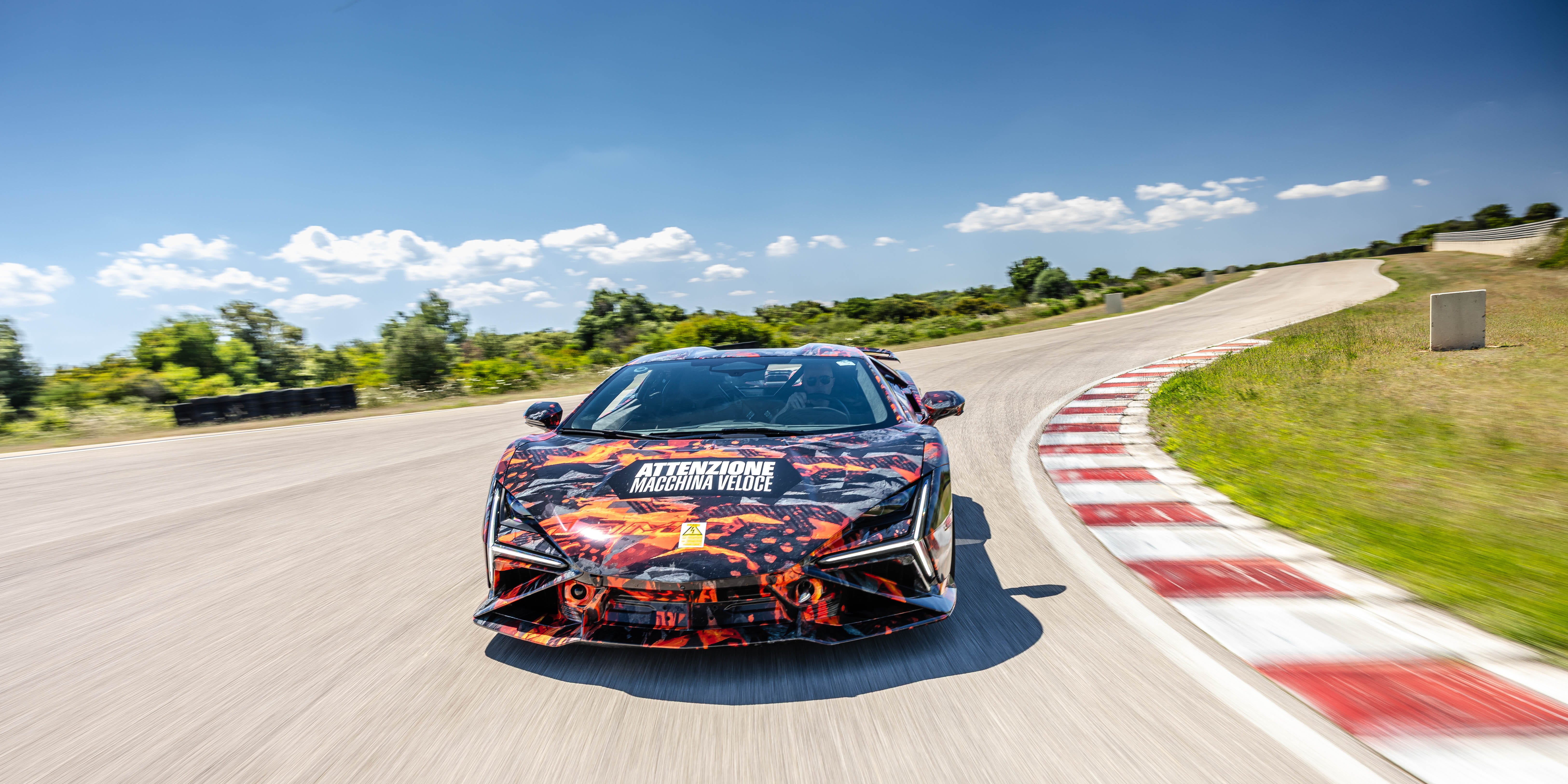
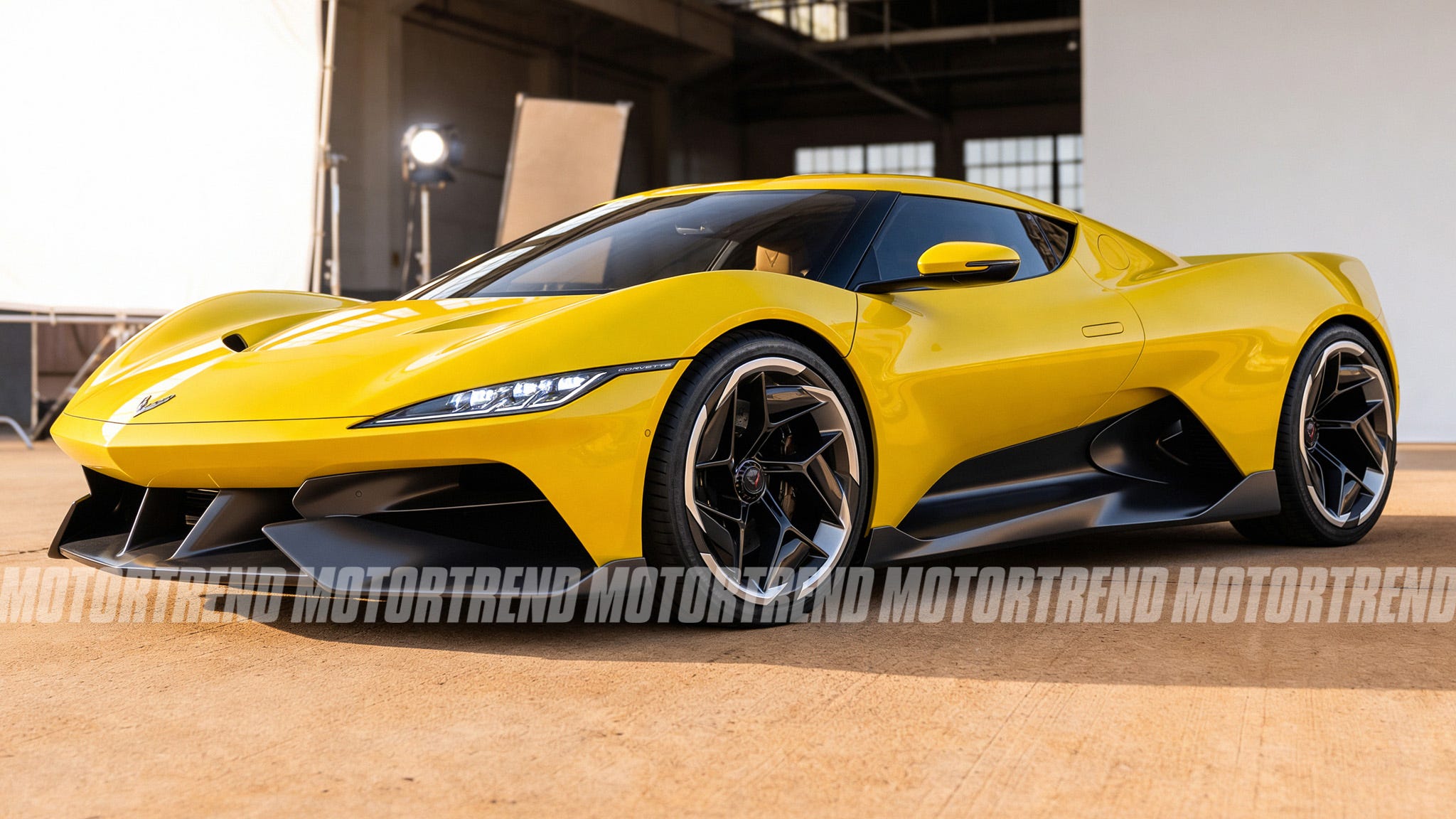
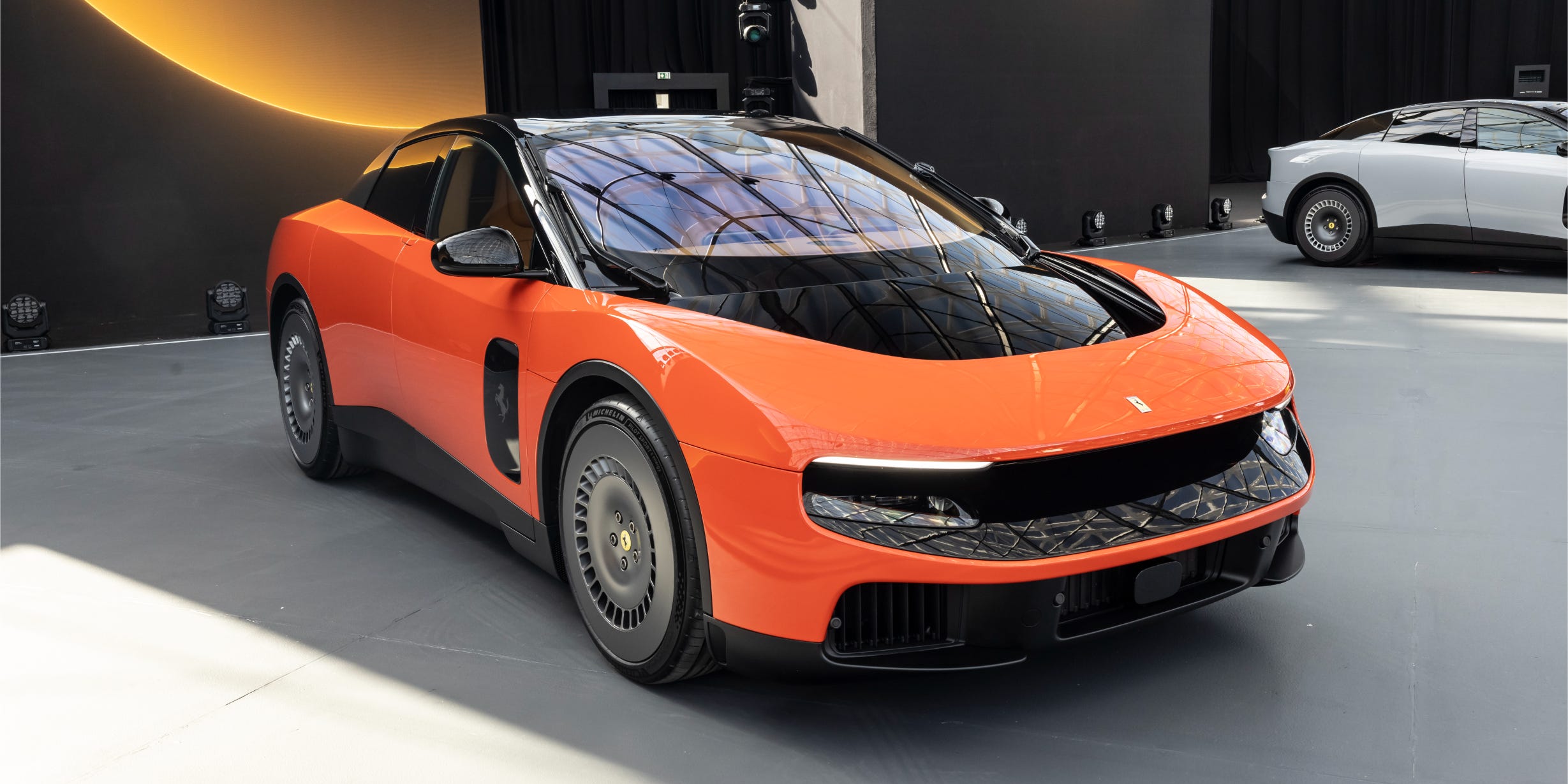
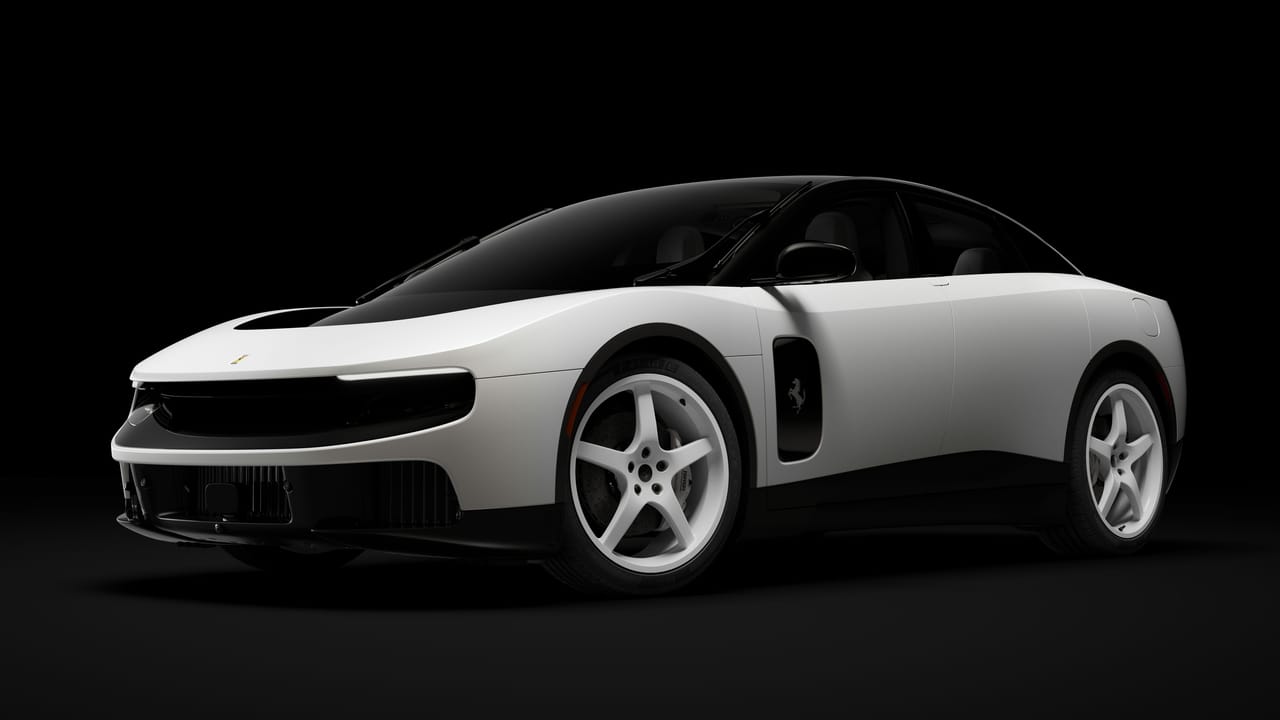
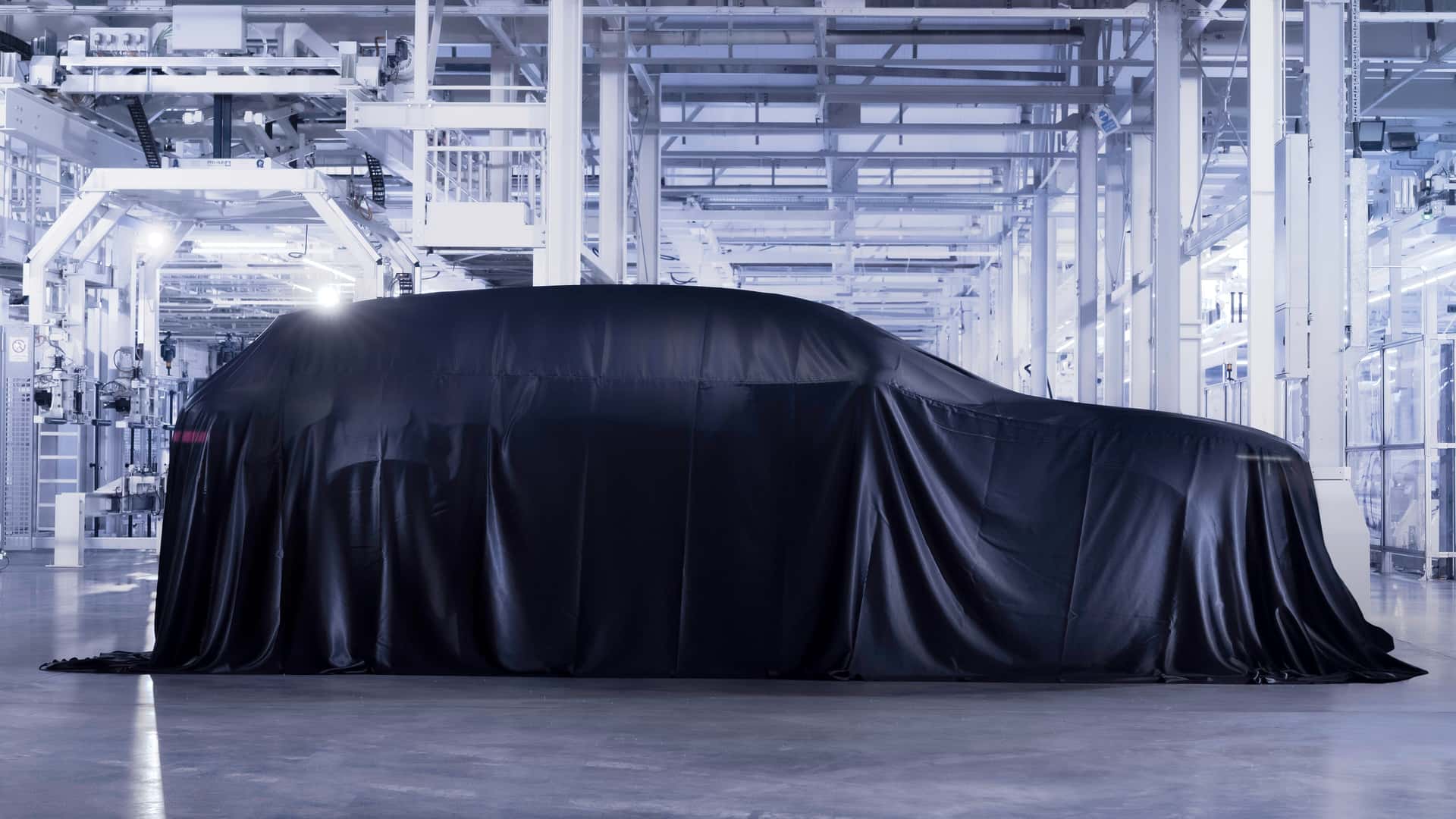
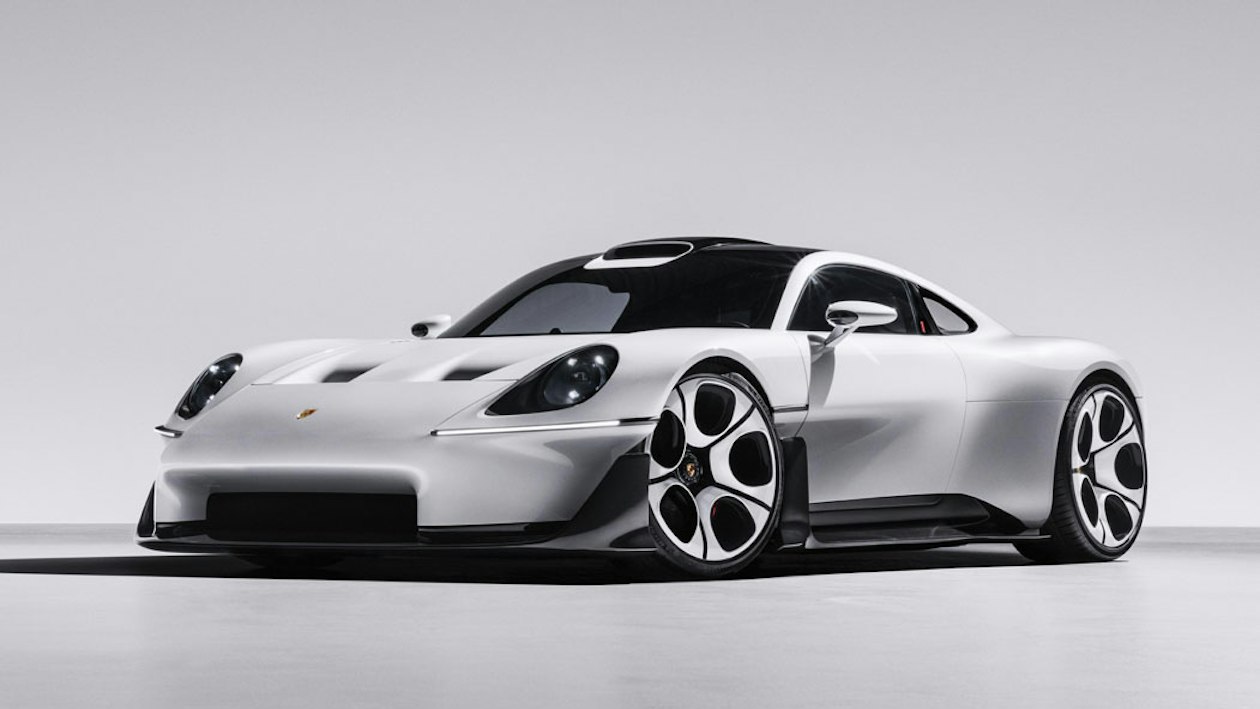
Porsche plans to tap into more lucrative high-end markets under the redirection, and the development of a brand new supercar will form part of this. Rather than a successor to the Carrera GT and 918 Spyder, this will be a series-production model to sit above the 911 as a permanent fixture in the range, and take the fight to Ferrari. The new Mission S concept previews what to expect.
It’s only a design concept for now and technical details are scarce, but there’s plenty of cause for excitement here. For one, Porsche has confirmed that the Mission S isn’t just a fanciful show car, and ‘represents a mid-engined super sports car platform’ that will be a ‘permanent and versatile addition to our customer offering’. The ‘mid-engined’ reference is important here, all but confirming that it will be ICE-powered rather than electric.
Demand for high-end performance EVs hasn’t taken off as Porsche would hope, making combustion power, likely with a hybrid element, more viable for the production Mission S. What the powertrain will be, and whether it will drive two or all four wheels, remains to be seen, but it’d be fair to expect its performance to at least match the range-topping 701bhp 911 Turbo S.
Expanding on the supercar project, Michael Leiters told media including evo: ‘We are developing a super sports car platform, and we intend to use it as the basis for a new mid-engined car. The Mission S is an idea of what such a car might look like, a vision of how Porsche can continue to evolve while remaining unmistakably Porsche. It reflects some of the ideas, proportions, and design principles that will influence our future products and help shape the next chapter of our brand.’.
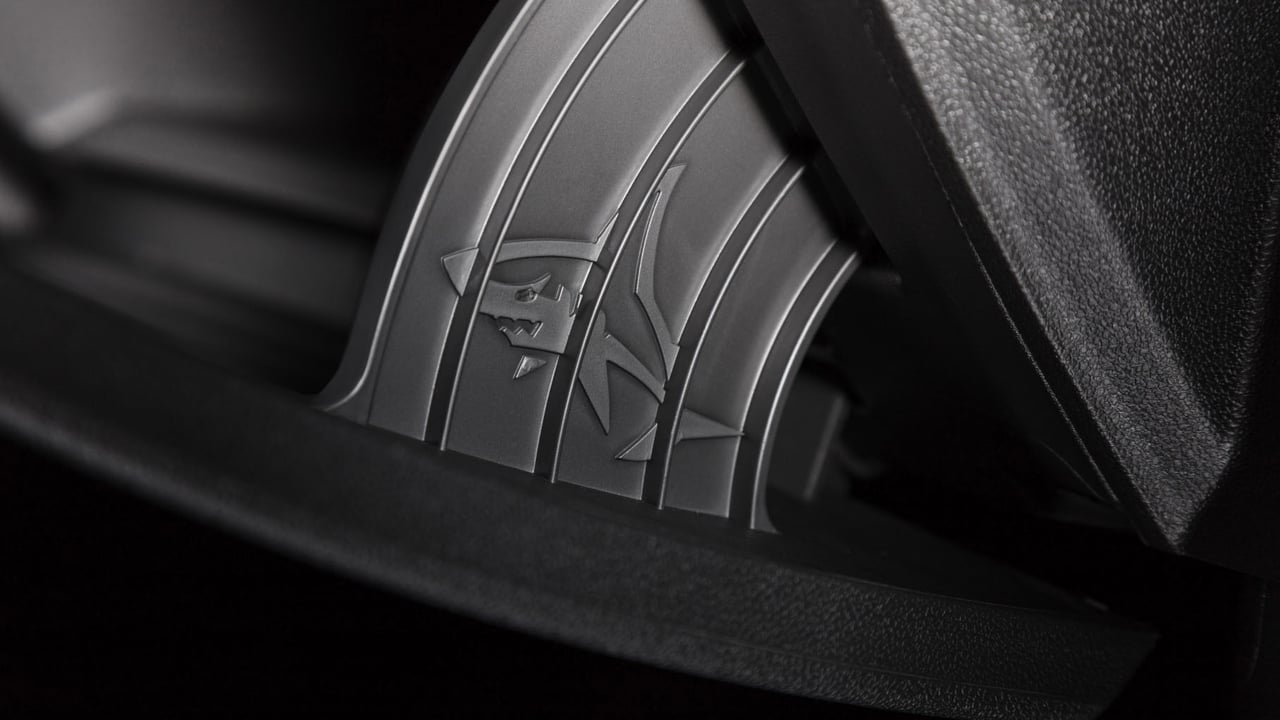
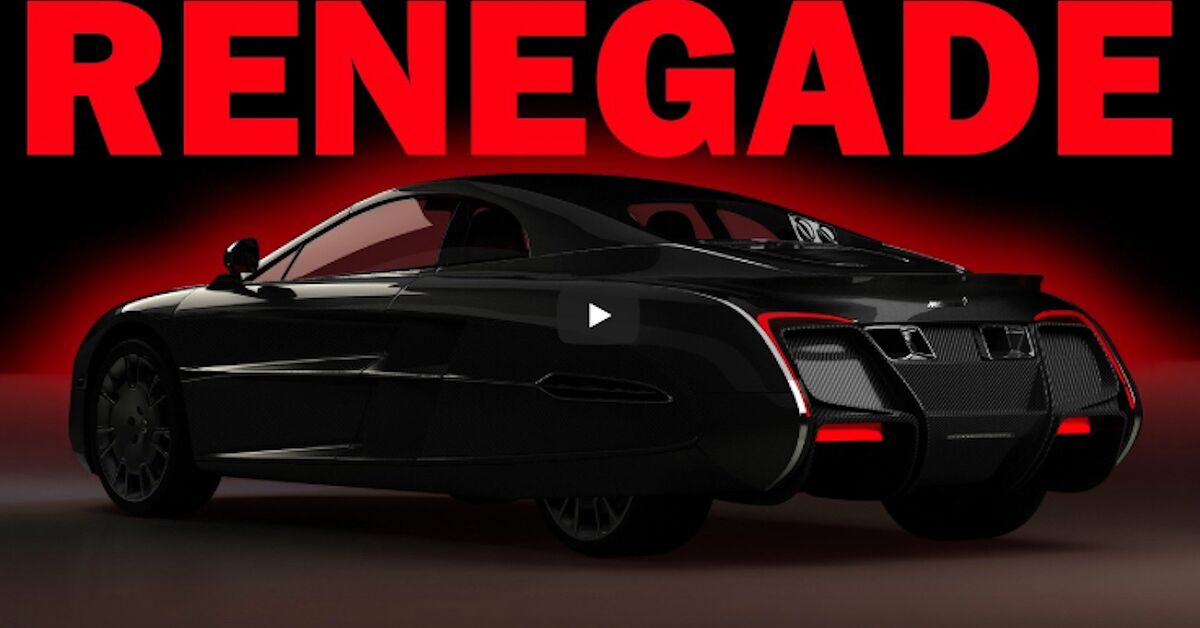
The Mission S’s new design direction takes cues from the 911 in the glasshouse and rounded surfacing, with hints of 911 GT1 in the mid-engined proportions and central roof intake. On the rear deck you’ll find an exposed horizontal cooling fan that calls back to the historic 917 race car, while the wheels are said to be inspired by the 928’s teledial rims. Porsche tends to faithfully reproduce its concepts for production – the Taycan and 918 Spyder are examples of this – so expect most of the design to translate to reality.
A focus on purity and simplicity inside is also part of Porsche’s new direction – descriptions you wouldn’t necessarily apply to the likes of the Taycan and Cayenne Electric, with their heavily digitised cabins. By contrast the Mission S is pared-back, with an interior inspired by those of the 550 Spyder and 356, with a simple dash layout featuring physical switches and part-physical, part-digital instruments with a central analogue rev needle.
To reduce distractions, Porsche has intentionally omitted a permanent central infotainment screen (there’s a retractable holder for your smartphone instead) or passenger display – ironic when it pioneered the latter with the Taycan, but it makes for a very clean, almost Lotus Elise-like driving environment.
In addition to the new supercar, Porsche wants to recalibrate its line-up with more models in other lucrative segments, including a three-row SUV above the Cayenne, aimed squarely at its biggest market, North America. Also on the horizon is the electric 718 Boxster replacement, which will go on sale at a considerably higher price than the now defunct car to pay for its bespoke architecture and drivetrain.
Porsche will also unleash myriad new ways for customers of its 10,000 most expensive cars to spend much more money. Today those buyers lavish an average of €270,000 on a new Porsche, which the company hopes to raise to €330,000 with a greater array of individualisation options, including customer-commissioned ‘few offs’. That’s the playbook from a brand Leiters’ presentation identified with an average selling price of €440,000 – Ferrari.
The recently unveiled Flachbau RS is a perfect demonstration of Porsche’s ‘Sonderwunsch’ (special wish) offer: a customer’s 2018 GT2 RS was given an interior and exterior overhaul, re-engineered with new aerodynamics, a 31kg weight reduction and tested on the Nordschleife. Porsche says 15 more one-off projects are in the works, with customers paying between €1.62m and €13.47m for the privilege.
Weissach is also scaling up its capability to recommission existing cars, with new styling inside and out; 11 Carrera GTs have been refitted, with another 37 working their way through this factory ‘restomod’ process.
Why It Matters
The Mission S’s new design direction takes cues from the 911 in the glasshouse and rounded surfacing, with hints of 911 GT1 in the mid-engined proportions and central roof intake.
CarMotion Daily’s Take
Porsche plans to tap into more lucrative high-end markets under the redirection, and the development of a brand new supercar will form part of this. Watch this space over the coming weeks. Electric momentum is uneven across the industry, and moves like this reshape how buyers compare EV lineups. Range, charging speed, and price still dominate EV shopping — every new entry forces competitors to either match or reposition. Watch for EPA range certifications and DC fast-charge benchmarks once independent tests land. Pricing tiers, software updates, and any regional trim adjustments will tell us how serious the launch intent is.
📝 Source & Copyright Notice
This story was first reported by Evo-GN. For the full article with original photography and complete coverage, visit the source: Read the full story at Evo-GN →