The Story
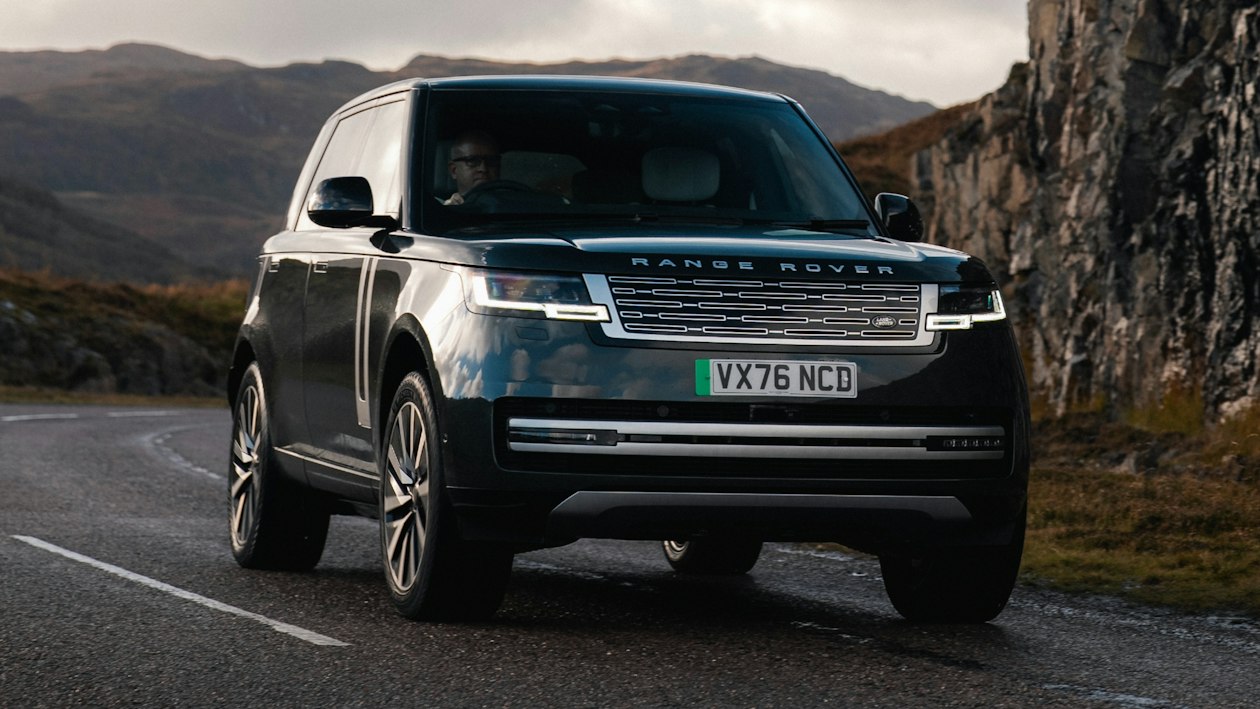
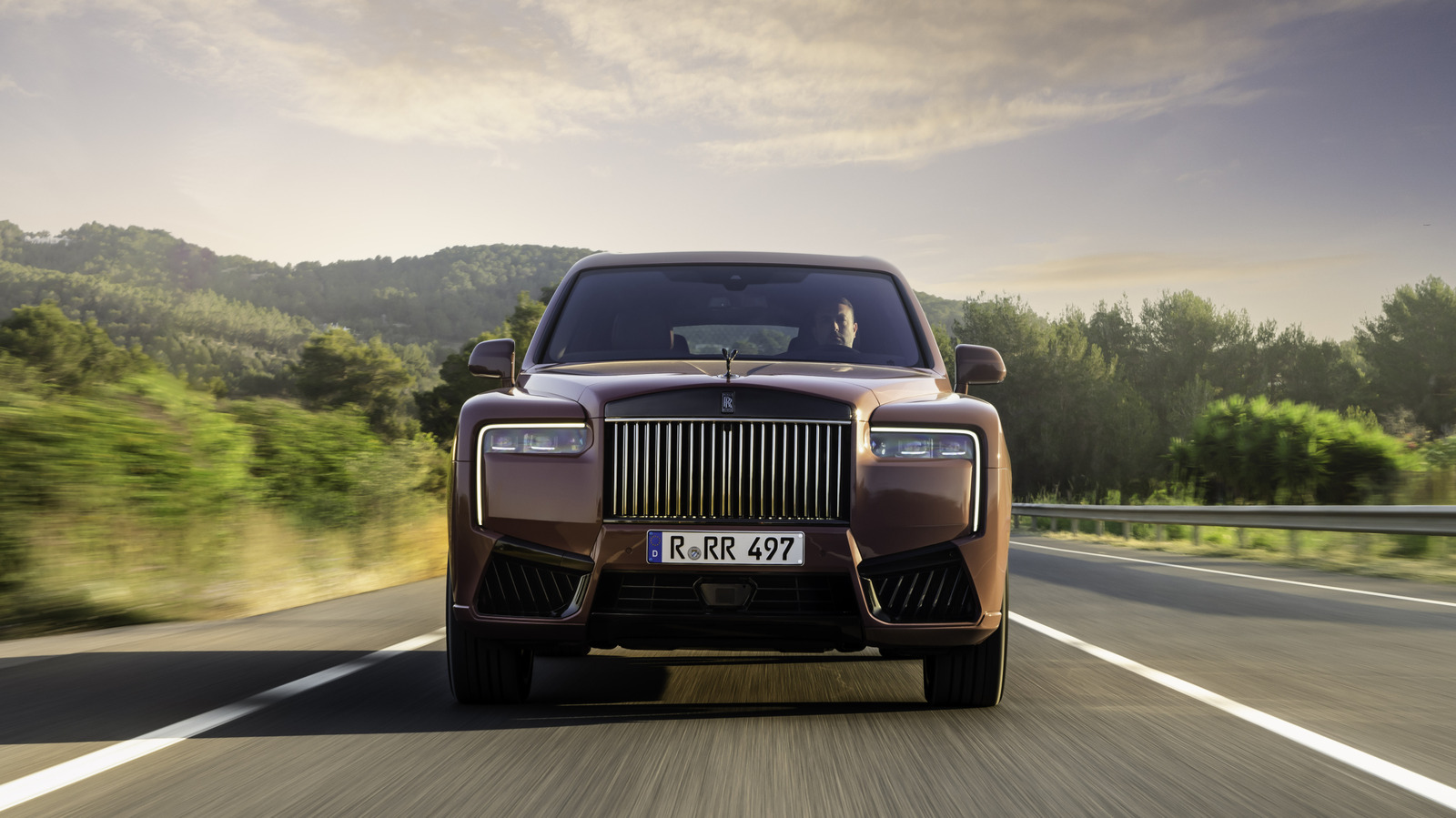
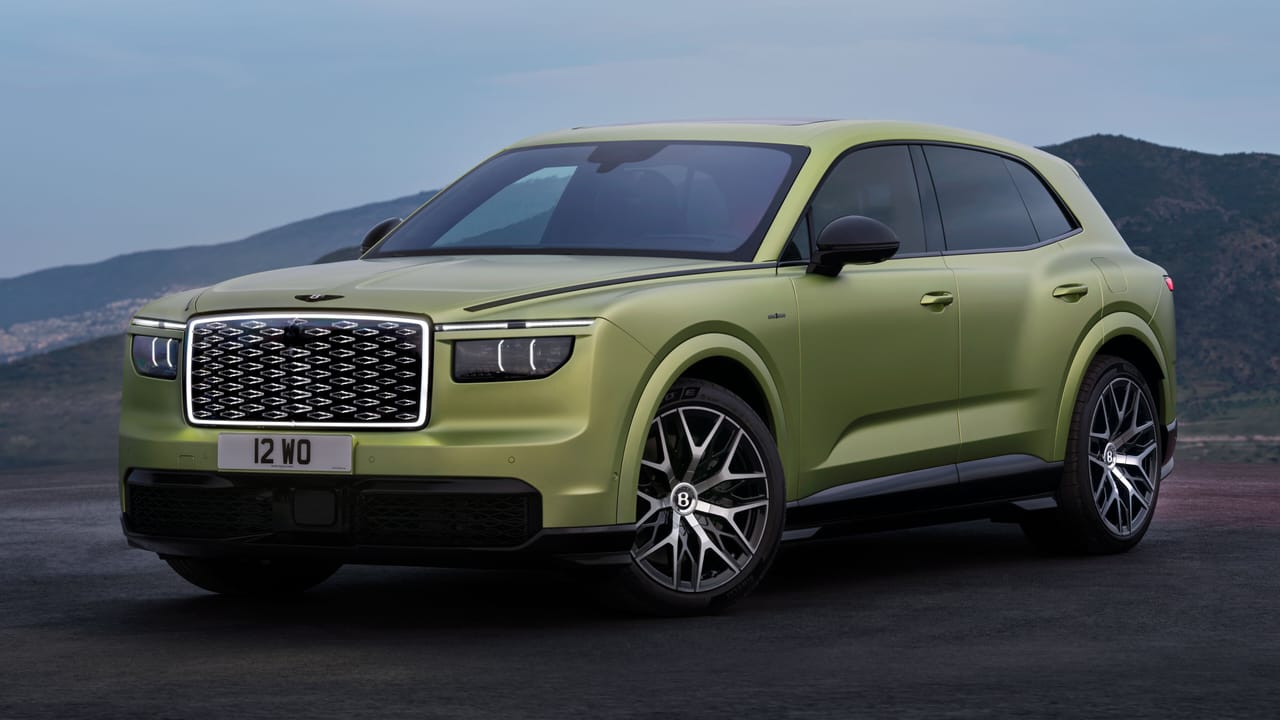
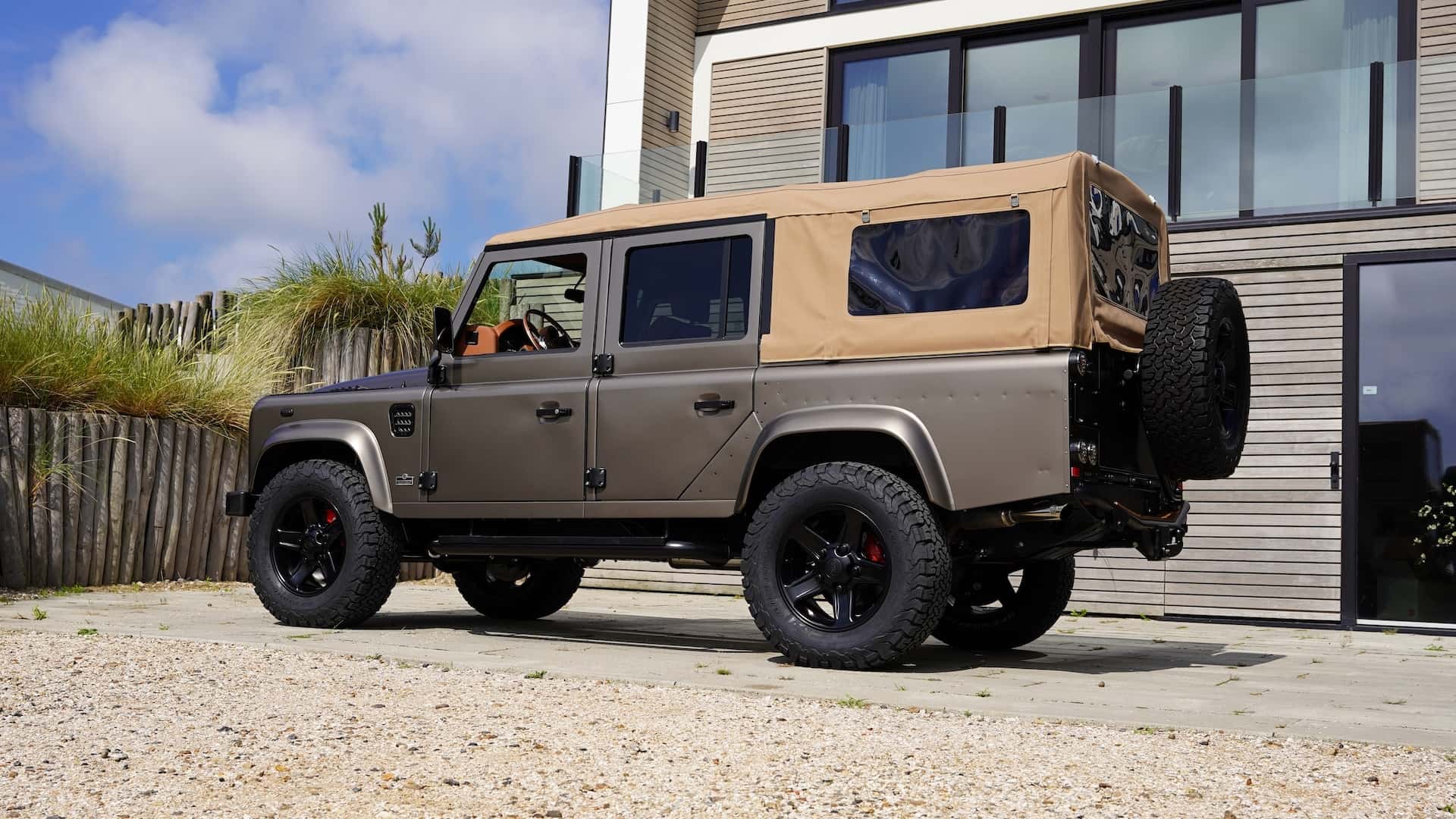
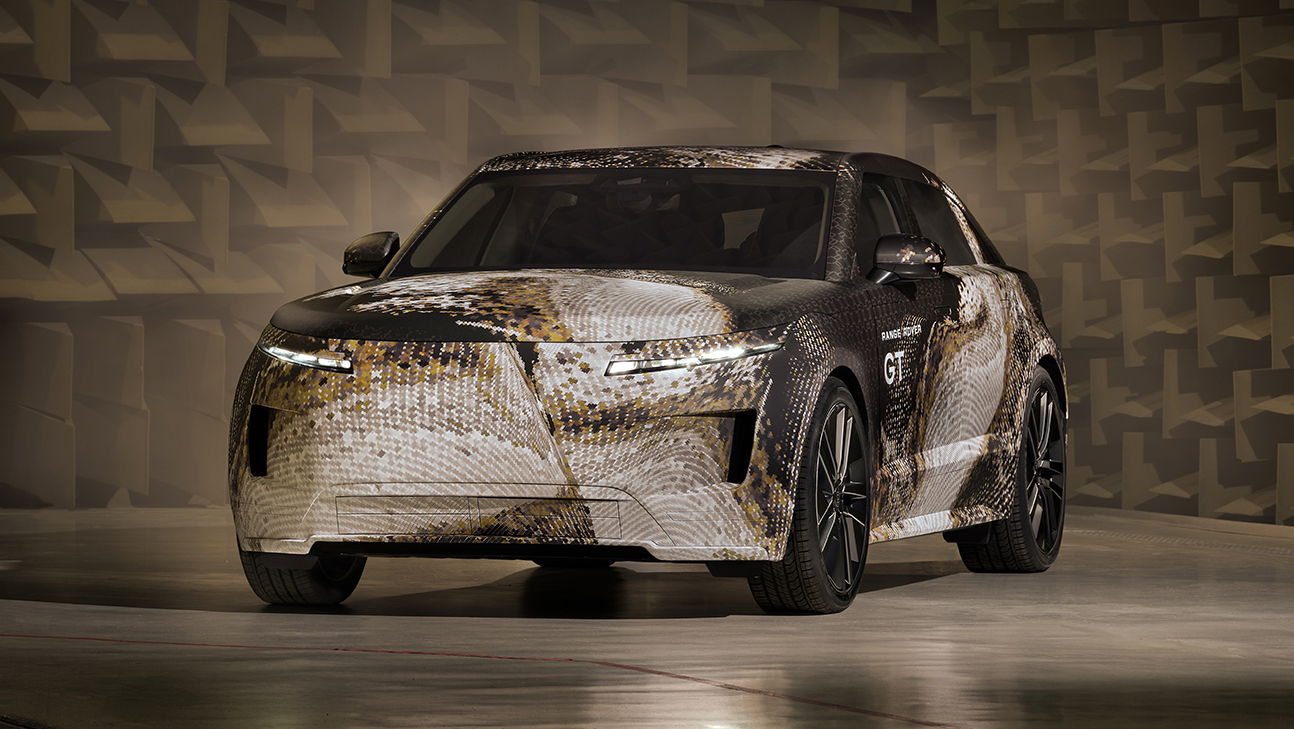
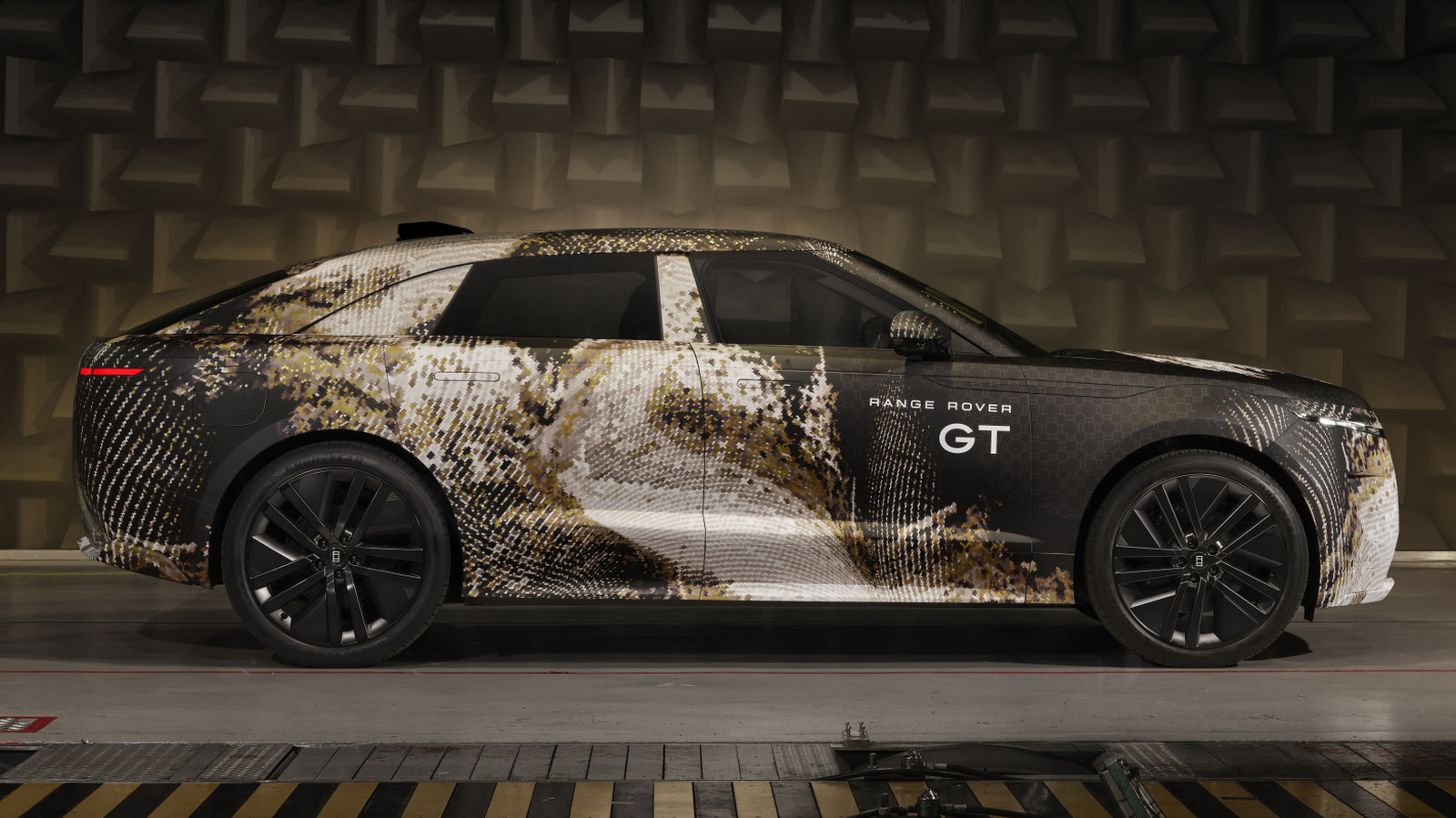
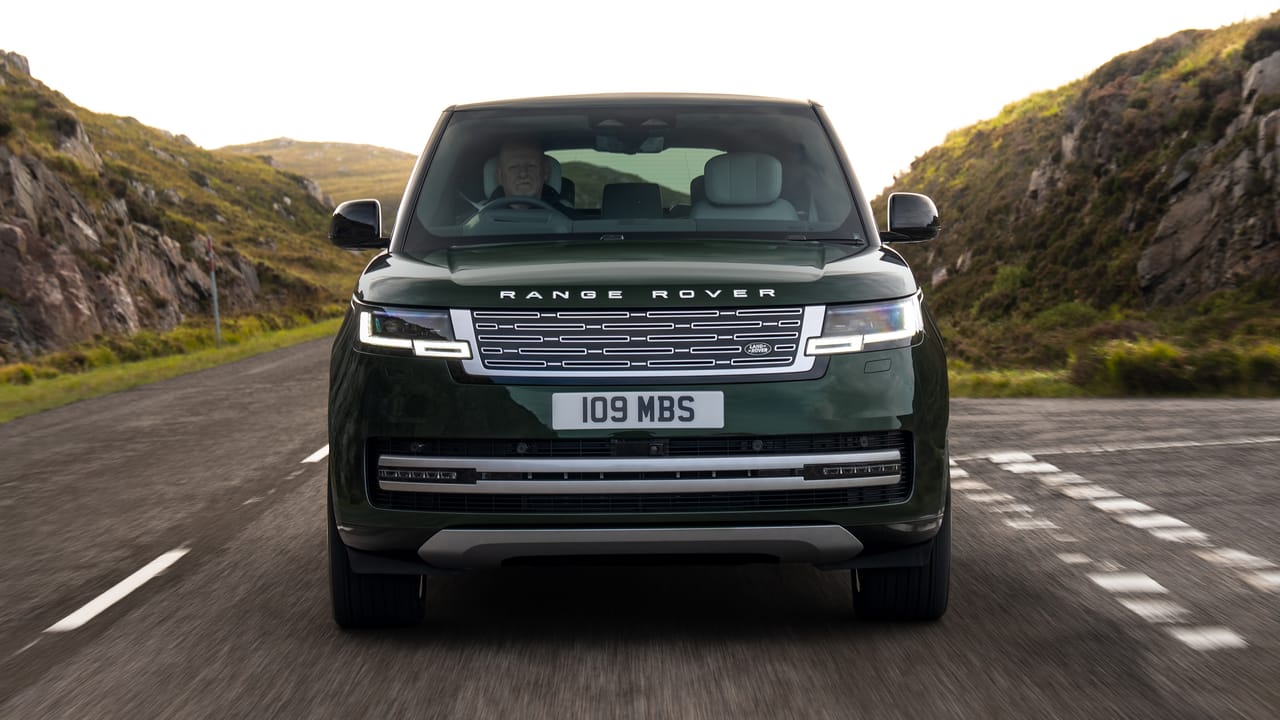
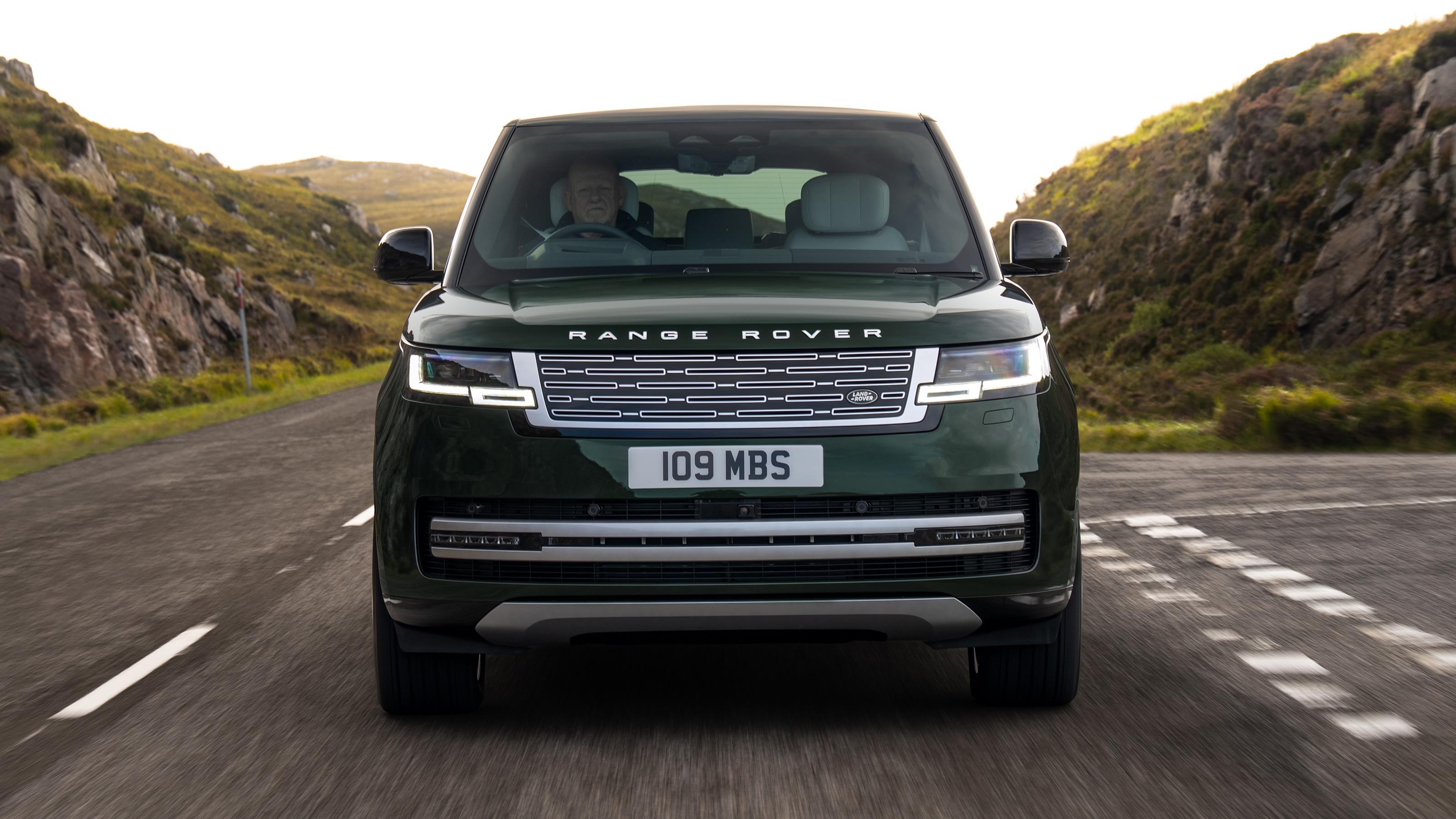
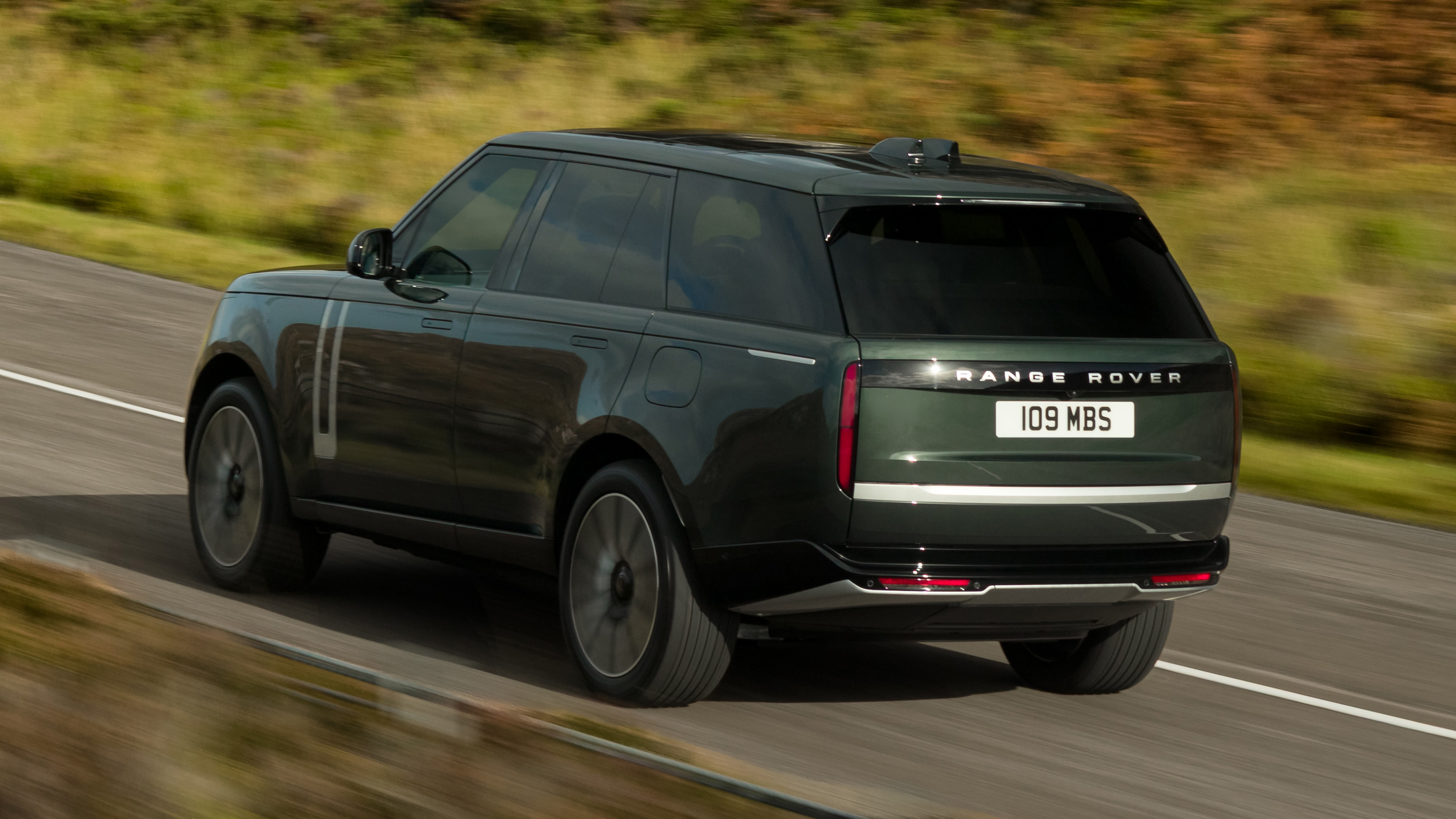
The Range Rover has long been the luxury car to have. Now the Electric is the Range Rover to have.
It’s a Range Rover, given new life by a vital organ transplant. This is one of those cars that loses very little in the transition from petrol to electric, and gains much. Okay, okay, it’s hard to argue this is an environmental choice – if you want low-impact driving then no Range Rover is a good place to start.
But among Range Rovers this is the greenest. Frankly it’s also the best: the smoothest, quietest and quickest. Potentially far cheaper to run. And even more ridiculously over-endowed with off-road capability.
Unless of course you live in a land awash with cheap fuel, or you can’t install a home charger, or you do a lot of towing. In those cases a petrol or especially diesel remains the Range Rover of choice.
Of course pushing a shape this stately through the air, and accelerating this much mass, depletes energy at a vast rate. So the Range Rover can store 118.5kWh in its pack, enough for 372 miles WLTP of range. We got a real 300 miles on mixed roads in coldish weather while paying precisely zero attention to driving economically.
Difficult question. When, as long ago as 2015, the engineers first started thinking about the platform for this generation Range Rover (and RR Sport) they drew it to accept multitudinous power systems: petrol and diesel mid-hybrid, petrol PHEV, and full electric. The electric took time, while they scratch-built the motors, battery and inverters. Then the proposed induction-type front motor overheated in testing so they switched to using a PM type, like the rear motor. That cost another year.
Meanwhile lots of expensive EVs failed to sell in hoped-for numbers. As we write, global petrol costs have spiked. This is boosting demand for cheaper EVs, but if you can afford a Range Rover you can probably afford to slosh petrol into it.
Still, the electric and combustion Range Rovers all come down the same production line so production can flex to meet demand. Don’t expect these to be over-produced and sold at distress prices.
Because this Range Rover generation was designed with electric drive in mind, there’s no loss in passenger or boot space. The battery and high-voltage electronics almost manage to fit into the spaces liberated by evicting the fuel tank, exhaust, propshaft, gearbox and transfer case. The only overspill is downward, with a small 18mm loss of ground clearance.
Why It Matters
Find lots more detailed test impressions in the Driving tab of this review.
CarMotion Daily’s Take
It can go far enough and recharge fast enough that its electric limit of around 300 miles will be enough for almost any use except long-haul towing. Watch this space over the coming weeks. Electric momentum is uneven across the industry, and moves like this reshape how buyers compare EV lineups. Range, charging speed, and price still dominate EV shopping — every new entry forces competitors to either match or reposition. Watch for EPA range certifications and DC fast-charge benchmarks once independent tests land. Pricing tiers, software updates, and any regional trim adjustments will tell us how serious the launch intent is.
📝 Source & Copyright Notice
This story was first reported by TopGear. For the full article with original photography and complete coverage, visit the source: Read the full story at TopGear →