The Story
While supercars dazzled, normal cars made huge strides in the ’80s, and none illustrates this better than the first front-drive Escort.
The 1980s gave us incremental steps forward in the ease of use and performance of the supercar, but the cars everyone else bought and relied on took an arguably bigger leap forward. Such was the step up from the big seller of the 1970s, Ford's Mk3 Cortina, to the Mk3 Escort launched in September 1980 you’d swear they were separeted by at least 20 years apart. Which, in terms of the way they were built, designed and developed they were.
The Mk3 Escort marked a major shift from its predecessor. Gone was the saloon body (although this would return as the Orion) and the rear-drive layout, Ford opting to follow the market trends of the time as set out by the original Volkswagen Golf and Vauxhall Astra and switching to front-wheel drive and the next generation of engines and gearboxes. Better for both packaging and practicality, this layout became the default for small family cars across Europe, and continued through every generation of Escort and Focus that followed.
Design-wise, flat surfaces and boxier shapes were the order of the day in the ’80s, as evidenced by the supercars from the same period, so the subtle curves of the Cortina and early Escorts went out in favour of neater, sharper lines. Time has been kinder to those older shapes, I’d argue, but the Mk3 Escort marked a new direction for Ford and the design reflected that. It enjoyed extremely strong sales from the word go: during the first five years of production Ford shifted around 800,000 units in the UK alone, regularly topping the annual sales charts.
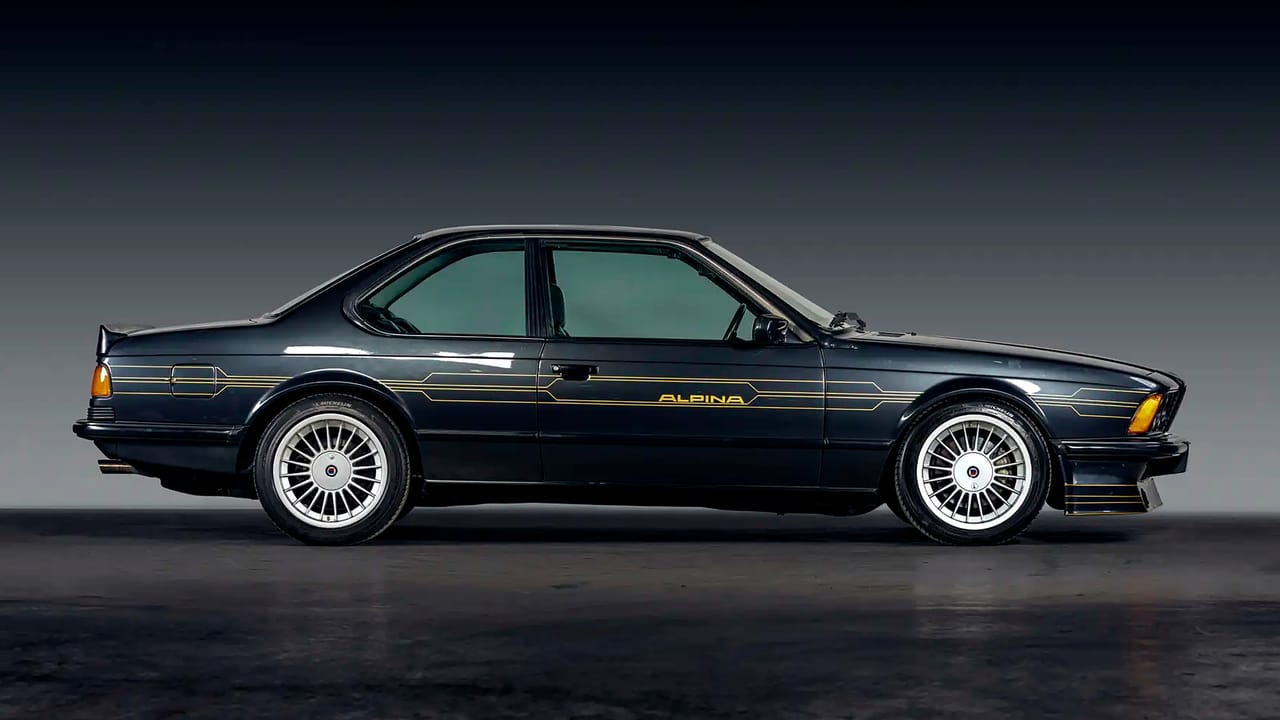
There was a wide variety of body shapes offered, from three- and five-door hatchbacks to an estate and cabriolet supported by Ford's mastery of offering hierarchy trim levels to appeal to consumers who wanted to keep one step ahead of their neighbours or colleagues. There was a Mk3 Escort for pretty much anyone, including those wanting something a little spicy. Hot hatches really started coming on stream in the ’80s and the Escort XR3 was Ford’s answer to the Golf GTI. With cloverleaf alloys, tweaked bumpers and a rear spoiler, it looked the part, and boasted 96bhp from a 1.6-litre CVH engine. Peppy for the time, but still easily less than half the power of the Lotus Esprit, one the least potent - but lightest - supercars of the time.
This was a period when performance levels were proportional to the effort demanded from the driver, so where supercars of the era required a firm hand and some muscle to get moving, the little Escort zips away with an easy lightness.
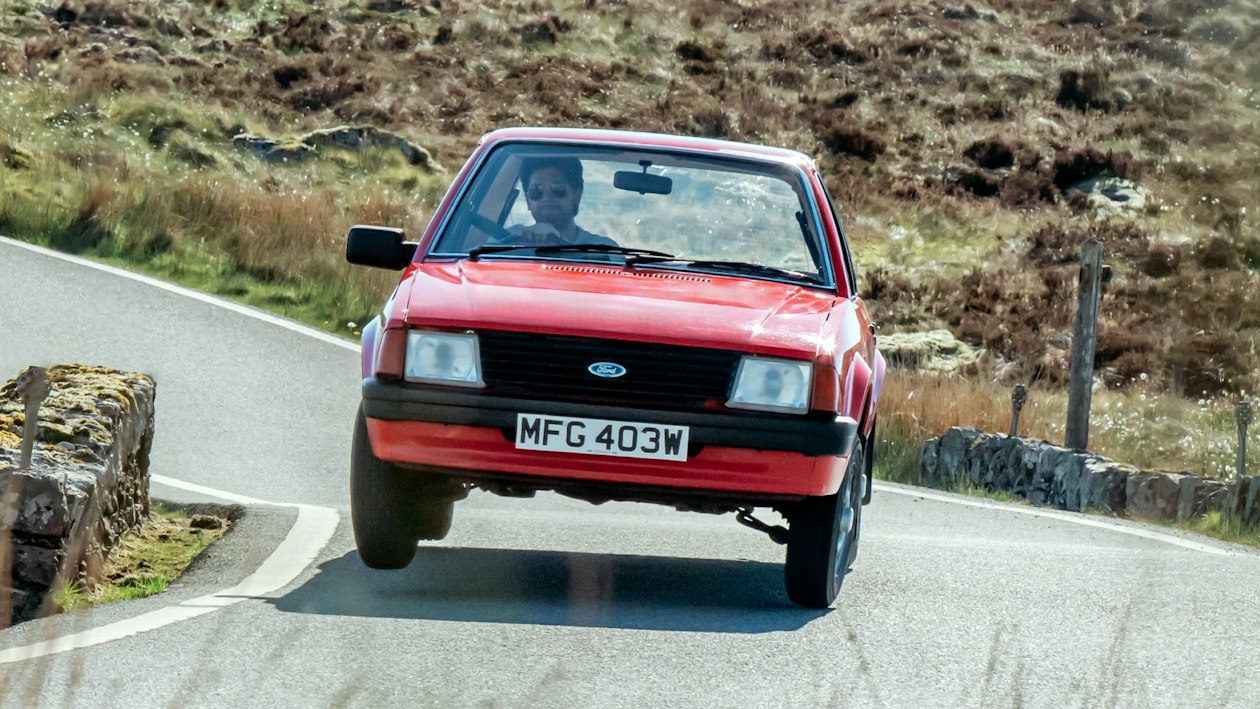
Ford had invested £500 million to build its new CVH (Compound Valve-angle Hemispherical) engine family, including £180 million spent on a new engine factory in Bridgend, and it boasted improved efficiency over the ageing Kent motors that had been introduced in 1959. Even with 69bhp it makes the Escort feel a lot more willing than a Mk3 Cortina. It still needs working hard on undulating sections of road, but it’s just about peppy enough to not get in the way of modern traffic, and the four-speed gearbox, with its spindly lever sprouting from the floor, is light and easy. It sounds a bit harsh at higher revs, but with no rev counter on the dash it’s best to shift early anyway, to be on the safe side.
Don’t be fooled, L doesn’t mean luxury – it’s only one up from the base Popular spec and the cabin is still sparse. Among the included kit is a three-speed fan, Pasha cloth seats (if it was good enough for Porsche…) and a single door mirror, on the driver’s side. Richard Usher, founder of the Great British Car Journey who has loaned us the car, has added his own kit, including a Welsh road map and a tea flask apparently offered by the dealer at the time. No Apple CarPlay here, or even a radio.
It certainly feels built down to a price, but Ford didn't cut corners with the Mk3’s suspension, fitting it with an independent rear end rather than the torsion beam found on most rivals. You wouldn’t call it sophisticated but there is some fun to be had in punting the Escort along a road, partly because it feels so compact, but also because your inputs have such an obvious effect on how it gets through a corner. It’s not very precise so you need to be deliberate, but feeling it lean, the thin-rimmed wheel talking back to you as you load it up, is a bit of a giggle.
It’s a stark difference in character from the ’70s Cortina, which feels entirely geared towards loping comfort rather than handling. By contrast the Escort is busier and less graceful but far more capable and easy to drive. There’s more joy in it than its humdrum looks would suggest, certainly, and it shows that while the supercar made significant evolutionary steps in the ’80s, the general public was also enjoying major strides of development in their everyday family cars.
Why It Matters
There was a wide variety of body shapes offered, from three- and five-door hatchbacks to an estate and cabriolet supported by Ford's mastery of offering hierarchy trim levels to appeal to consumers who wanted to keep one step ahead of their neighbours or colleagues.
CarMotion Daily’s Take
Gone was the saloon body (although this would return as the Orion) and the rear-drive layout, Ford opting to follow the market trends of the time as set out by the original Volkswagen Golf and Vauxhall Astra and switching to front-wheel drive and the next generation of engines and gearboxes. Watch this space over the coming weeks. Electric momentum is uneven across the industry, and moves like this reshape how buyers compare EV lineups. Range, charging speed, and price still dominate EV shopping — every new entry forces competitors to either match or reposition. Watch for EPA range certifications and DC fast-charge benchmarks once independent tests land. Pricing tiers, software updates, and any regional trim adjustments will tell us how serious the launch intent is.
📝 Source & Copyright Notice
This story was first reported by Evo-GN. For the full article with original photography and complete coverage, visit the source: Read the full story at Evo-GN →