The Story
Here are seven of the most powerful JDM internal combustion engines ever put into production, plus one honorable mention.
That clears the way for us to have our very own horsepower war. Here are seven of the most powerful JDM internal combustion engines ever put into production, plus one honorable mention. It was tricky getting real numbers and impossible to know every JDM engine out there, so let us know what we missed. Also if an engine had a high horsepower brethren in the same engine family that could have made the list, we showcased the most powerful engine of the fam in order to make the list not just Toyota and Nissan.
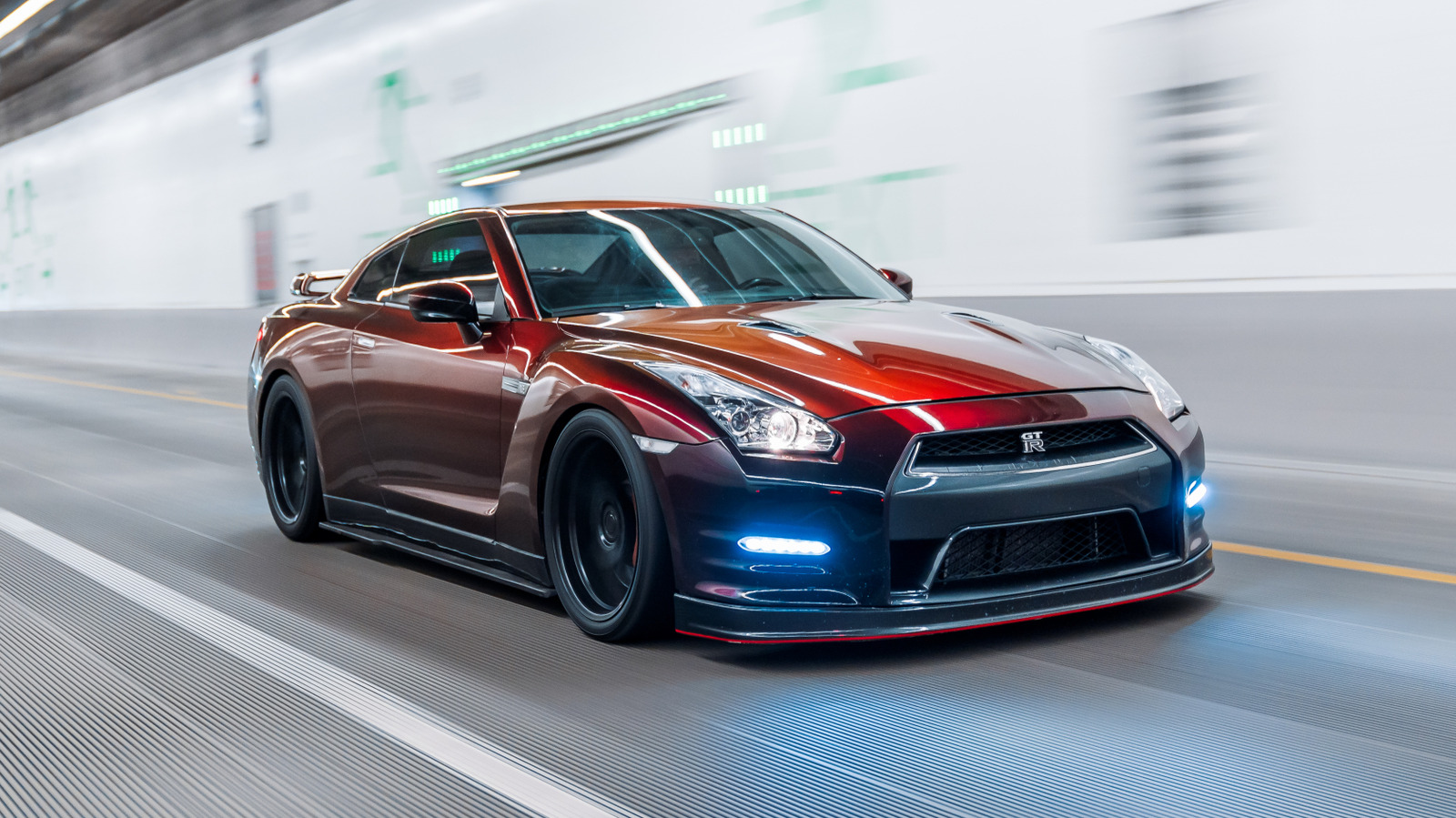
RMT51/Shutterstock “With a purposeful grimace and a terrible sound” sang Blue Oyster Cult on their 1977 hit Godzilla. While this song really has nothing to do with Nissan or the GT-R, it does pop into the head of car enthusiasts of a certain age when they think about the word “Godzilla.” We’re speaking, obviously, of the Nissan GT-R and the VR38DETT that makes this monster growl. The VR38DETT is a twin-turbocharged Dual-Overhead Camshaft (DOHC) 3.9-liter V6 engine that powers the legendary Nissan R35 GT-R. Starting in 2007, a small team of “Takumi,” or master builders, hand-built these engines. In the “normal” GT-R they pushed out a respectable 565 hp and 467 pound-feet of torque. For the NISMO version, it cranked out 600 hp at 6,800 rpm and 481 lb-ft of torque. Go go, indeed.
While the GT-R is the only production vehicle the engine made it into, over the years it had a cameo in a couple wild concepts, notably the bonkers Juke-R, which went on sale for $600,000. The engine lasted a solid 19 years before it and the GT-R were officially retired from production in 2024.
To be the best, the LFA needed an amazing engine, and in 2009 the 1LR-GUE was born. Developed in cooperation with Yamaha, this powerhouse is a 552-560 hp liquid-cooled 4-stroke DOHC 4.8-liter V10 that sits at a 72-degree V-angle. Built to be incredibly high revving, it goes from idle to its 9000 rpm redline in just 0.6 seconds—so fast that an analog tachometer couldn’t keep up, so they had to go digital. This shot the LFA from 0-60 mph in a scant 3.6 seconds, maxing out at a 202 mph top speed.These specs demonstrate how quick the car is, but it doesn’t capture how fantastic it sounds doing it. Some call it “the roar of an angel,” MotorTrend calls it “by far one of the most beautiful-sounding cars ever built.” Yamaha specifically engineered the engine to achieve that rich, screaming, F1-like sound. The LFA had a short 2-year production run, with just 500 units built before it was discontinued in 2012.
Similar to the LFA’s 1LR-GUE, the 2UR-GSE was developed in conjunction with Yamaha and also enjoys the high rev life with a 7,300 rpm redline. It is the most potent in the UR line of engines and was introduced in 2008 in the Lexus IS F. It made its way into the rest of the F line, namely the RC F, GS F, and LC 500. It’s also the last of the naturally aspirated V8s from Toyota and was officially retired in August 2026 with the discontinuation of the LC 500.
YouTube/Henry Brooke Let’s welcome our first four-banger to the list!. This one makes a hell of an entrance as it packs more horsepower per liter than most supercars out there. In 2015 Mitsubishi released a very limited edition Evolution X FQ-440 MR to celebrate 40 years of Lancers in the UK. What made it special is the 4B11T, a turbo charged, DOHC inline-4 making 440 hp and 412 lb-ft of torque. Only 40 units of the FQ-440 MR were produced and they sold out in a couple of hours. You might be wondering what the FQ in that alphabet soup stands for: well Mitsubishi won’t say, but it’s taken to mean “f’ing quick.” Well, quick is right. All those horsies motivated this Evo from 0 to 60 in 3.8 seconds and gave it a top speed of 157 mph.
Why It Matters
Also if an engine had a high horsepower brethren in the same engine family that could have made the list, we showcased the most powerful engine of the fam in order to make the list not just Toyota and Nissan.
CarMotion Daily’s Take
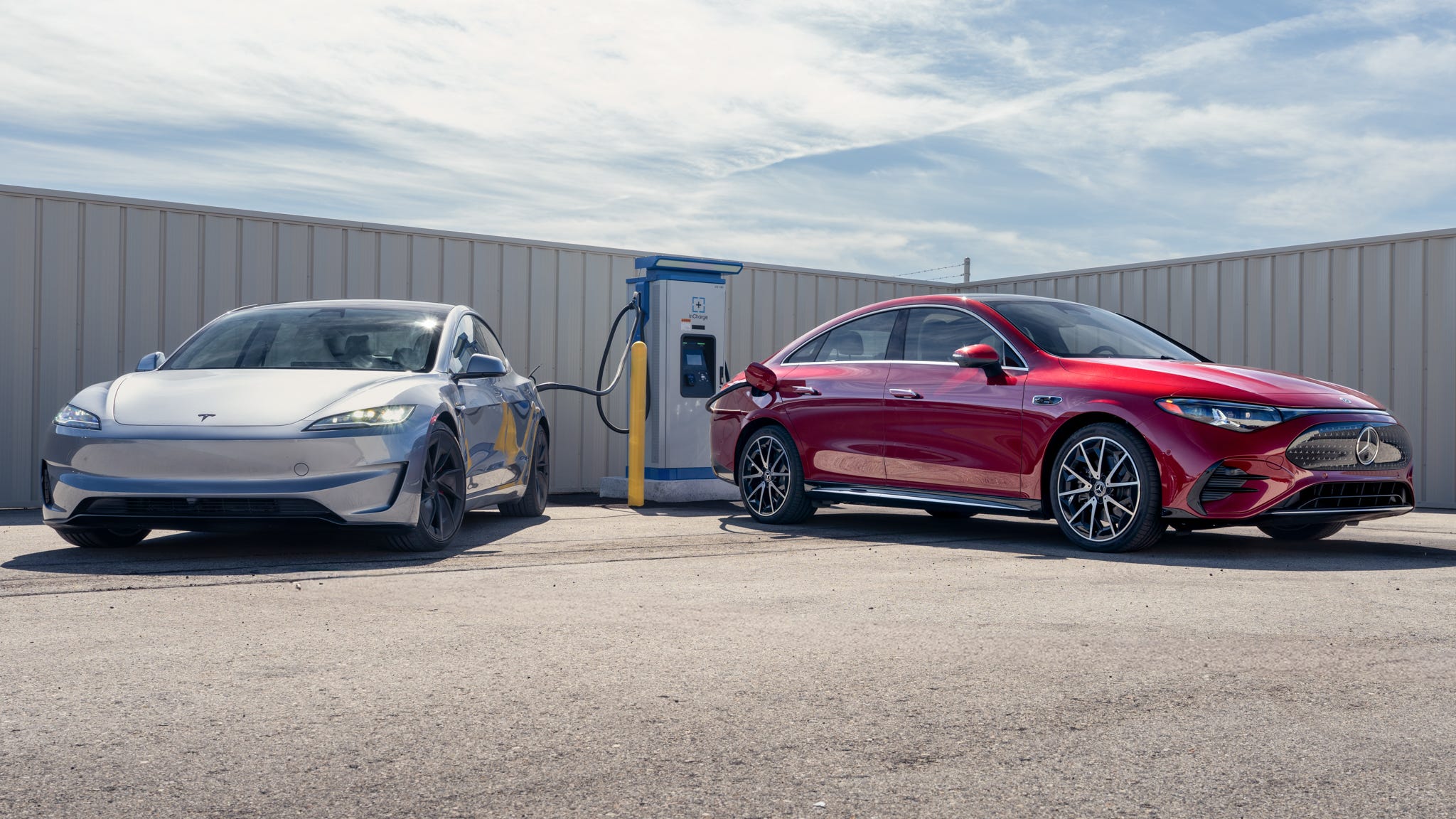
Electric momentum is uneven across the industry, and moves like this reshape how buyers compare EV lineups. Range, charging speed, and price still dominate EV shopping — every new entry forces competitors to either match or reposition. Watch for EPA range certifications and DC fast-charge benchmarks once independent tests land. Pricing tiers, software updates, and any regional trim adjustments will tell us how serious the launch intent is.
📝 Source & Copyright Notice
This story was first reported by Jalopnik. For the full article with original photography and complete coverage, visit the source: Read the full story at Jalopnik →