The Story
China has arrived in Europe. Can Europe fight back?.
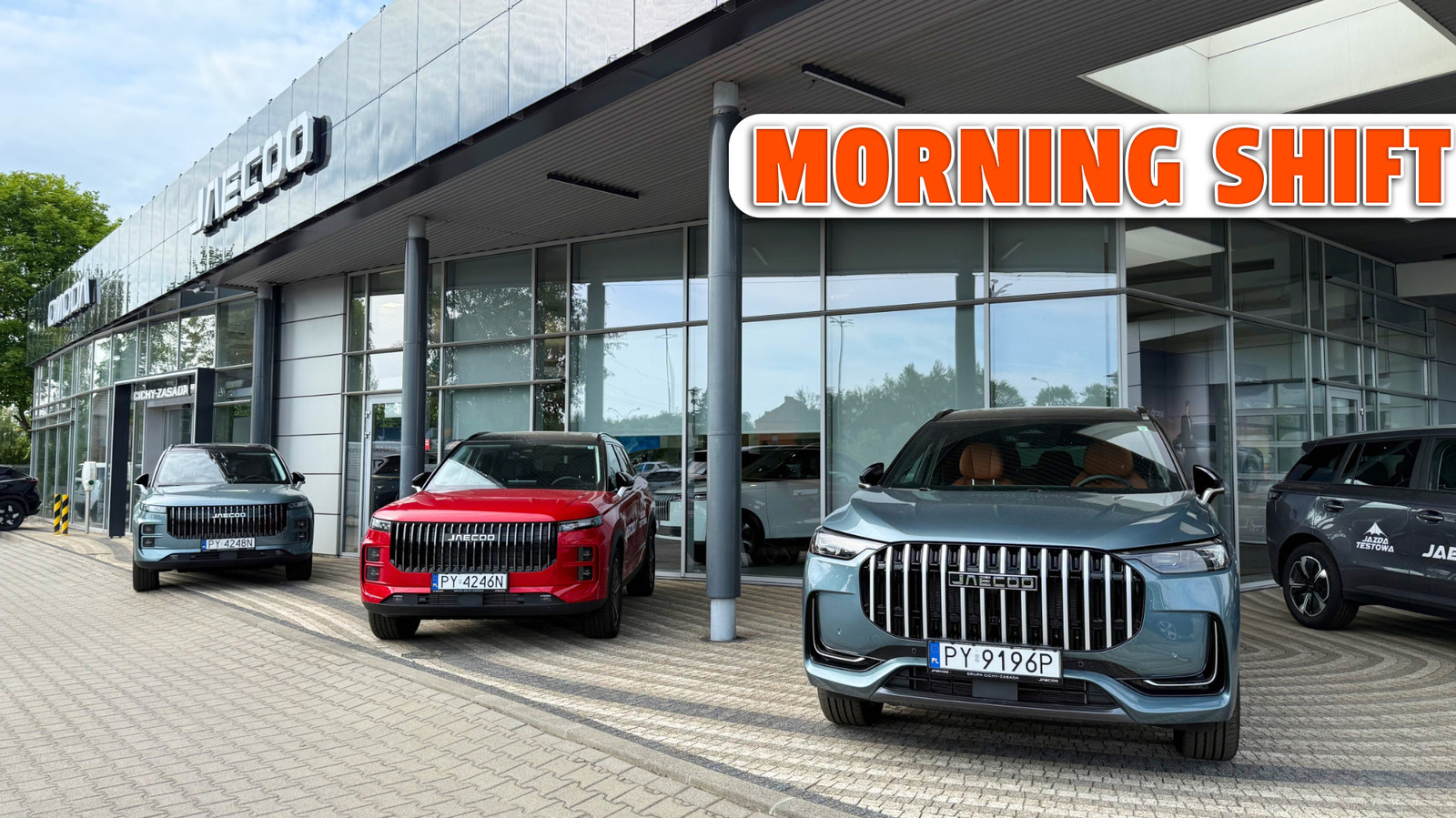
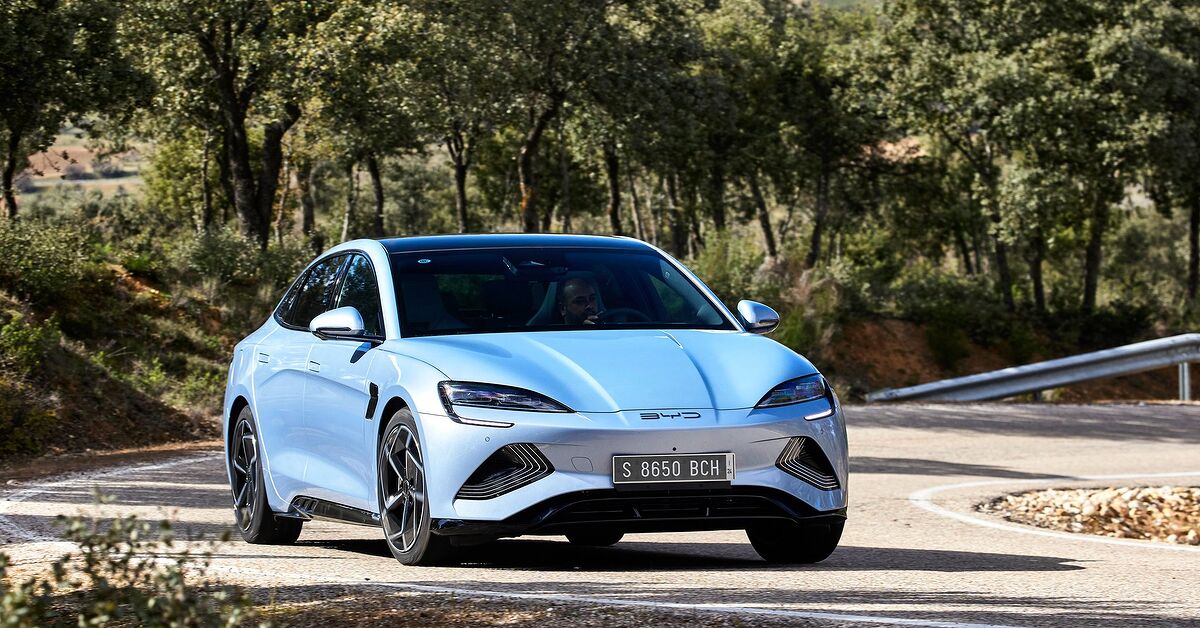
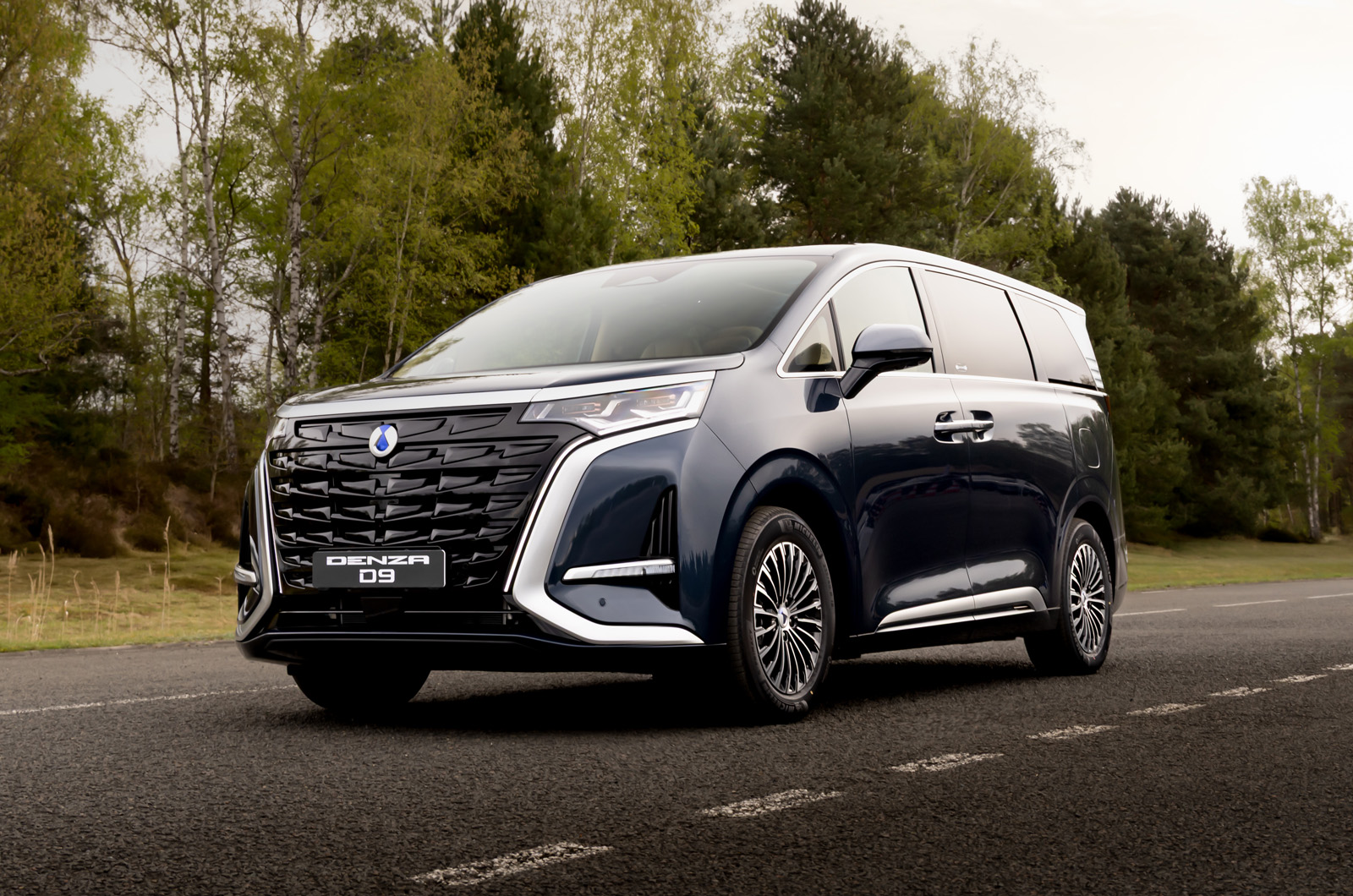
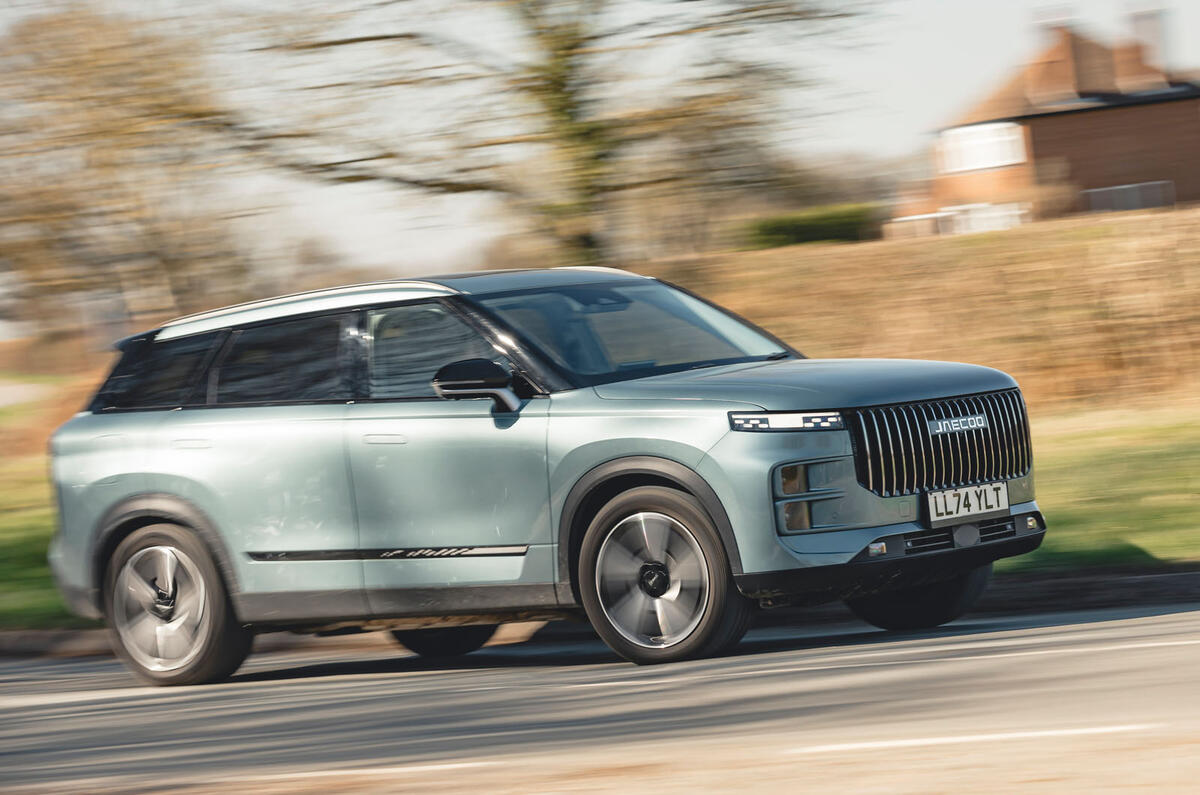
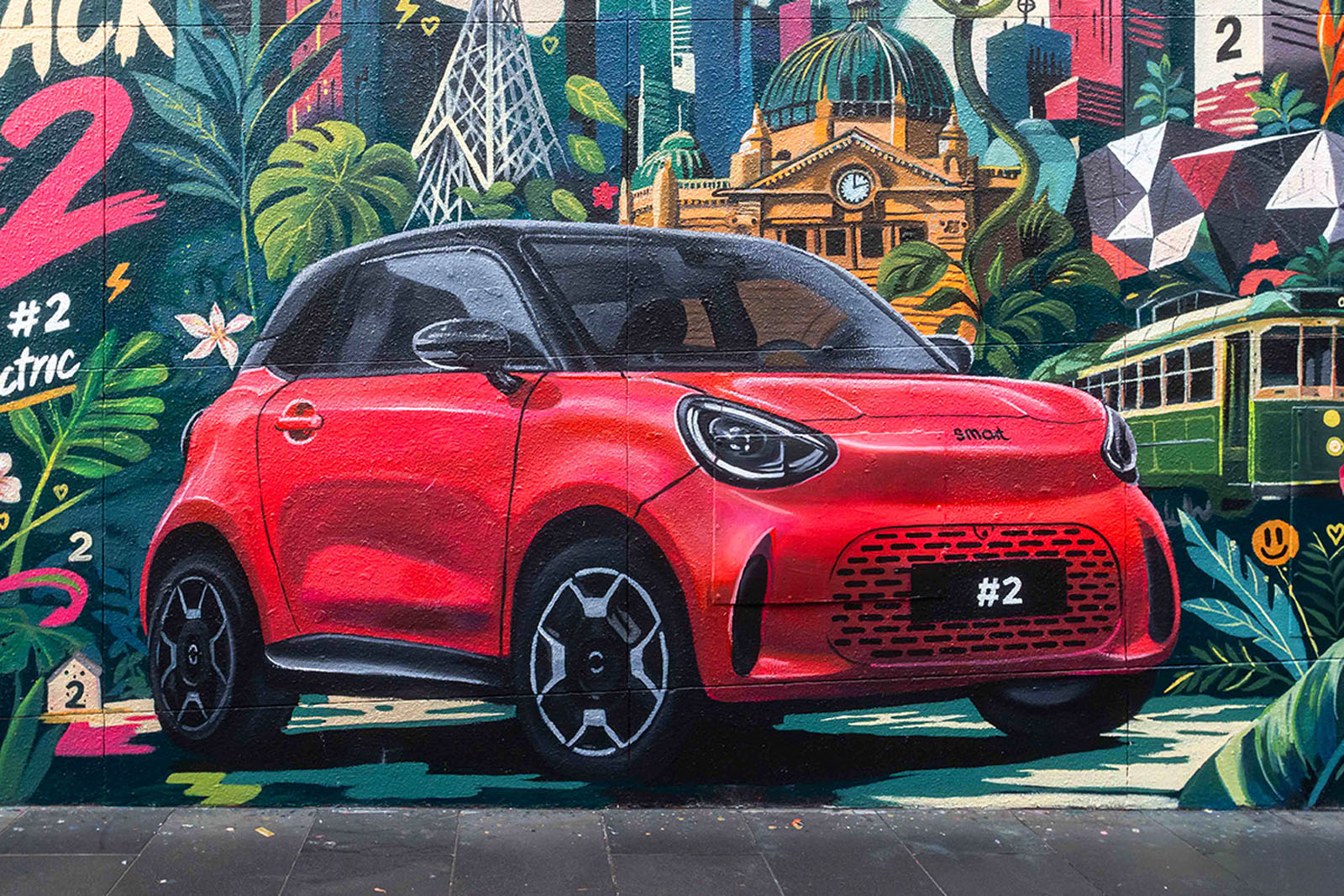
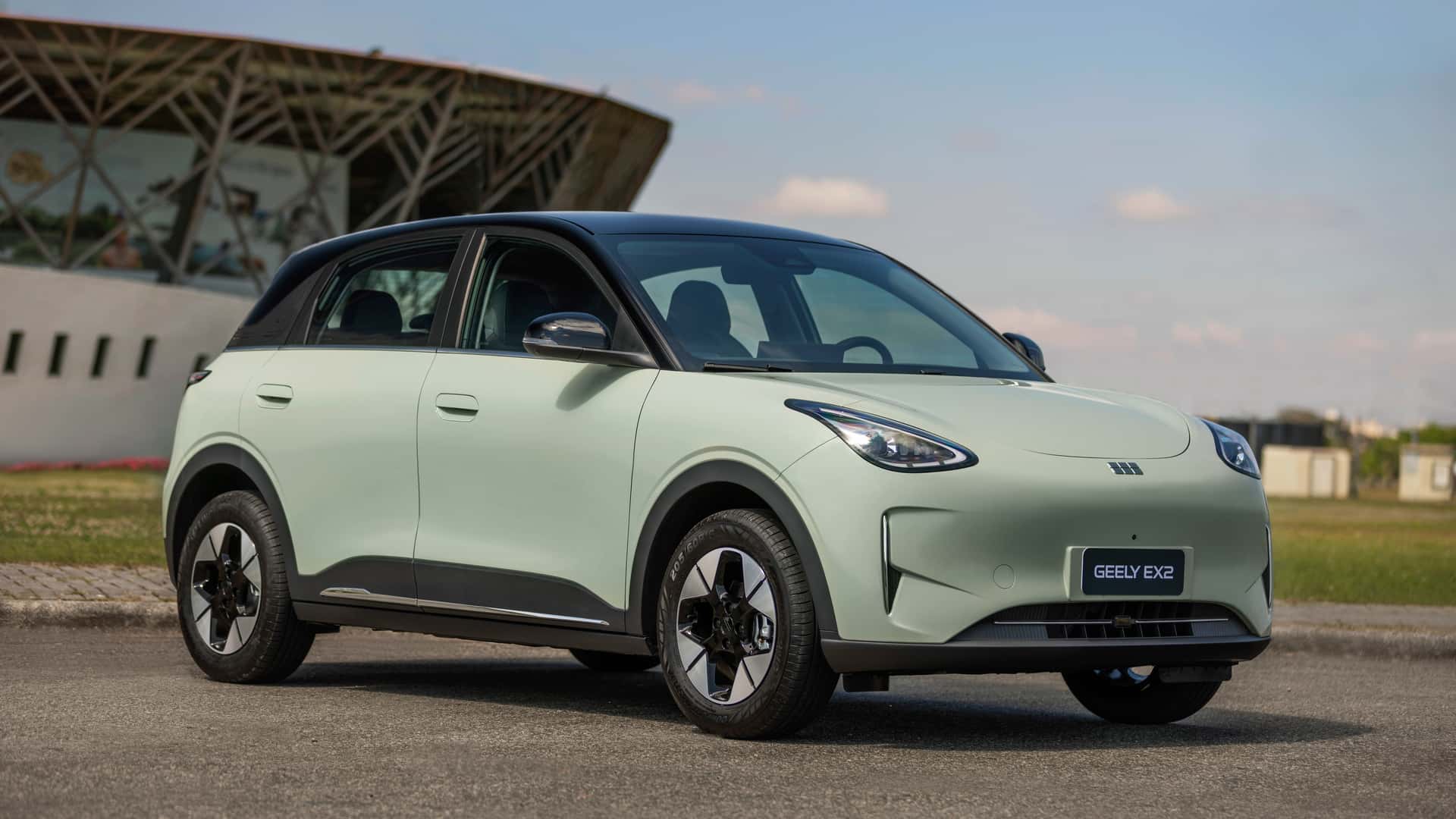
Of the 21 automakers with vehicles on display at this year’s Paris auto show, 11 of them were Chinese. China’s automakers aren’t coming to Europe; they’re there already, and in force. Chinese brands in August accounted for almost 12 percent of new vehicle sales across the European Union and the U.K. Sales of Chinese vehicles are on track to top 1 million units across the region this year.
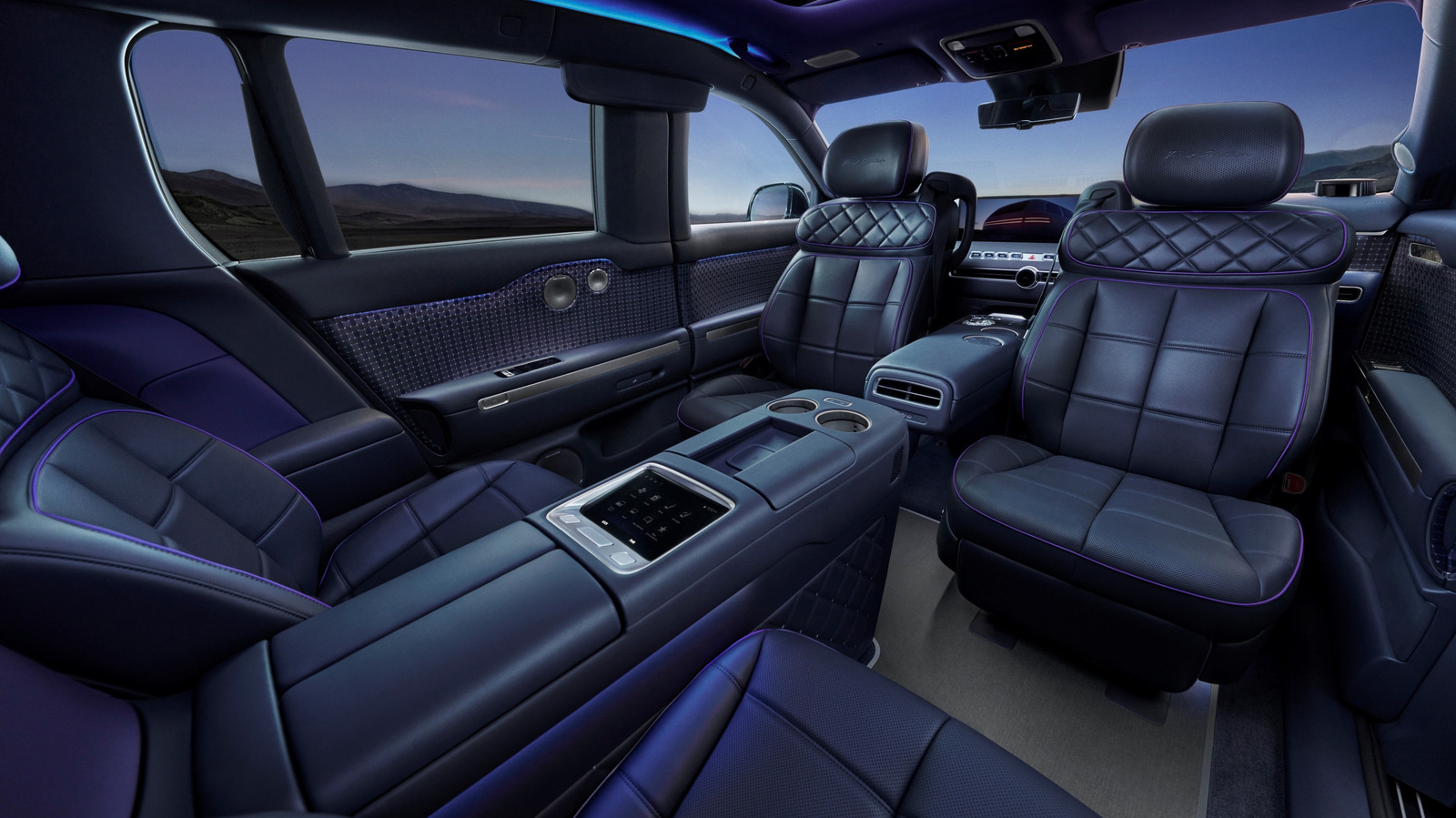
A tour of the halls at the Paris Expo Porte de Versailles revealed a worrying truth for Europe’s automotive establishment: Unlike the Japanese and Korean brands, China’s automakers have no intention of starting at the bottom and working their way up into the premium and luxury segments. They’re already chasing customers that companies like Mercedes-Benz, BMW, Audi, and Range Rover have long regarded as their own, with large cars and SUVs that boast opulent interiors and cutting-edge technology at prices the Europeans can’t match.
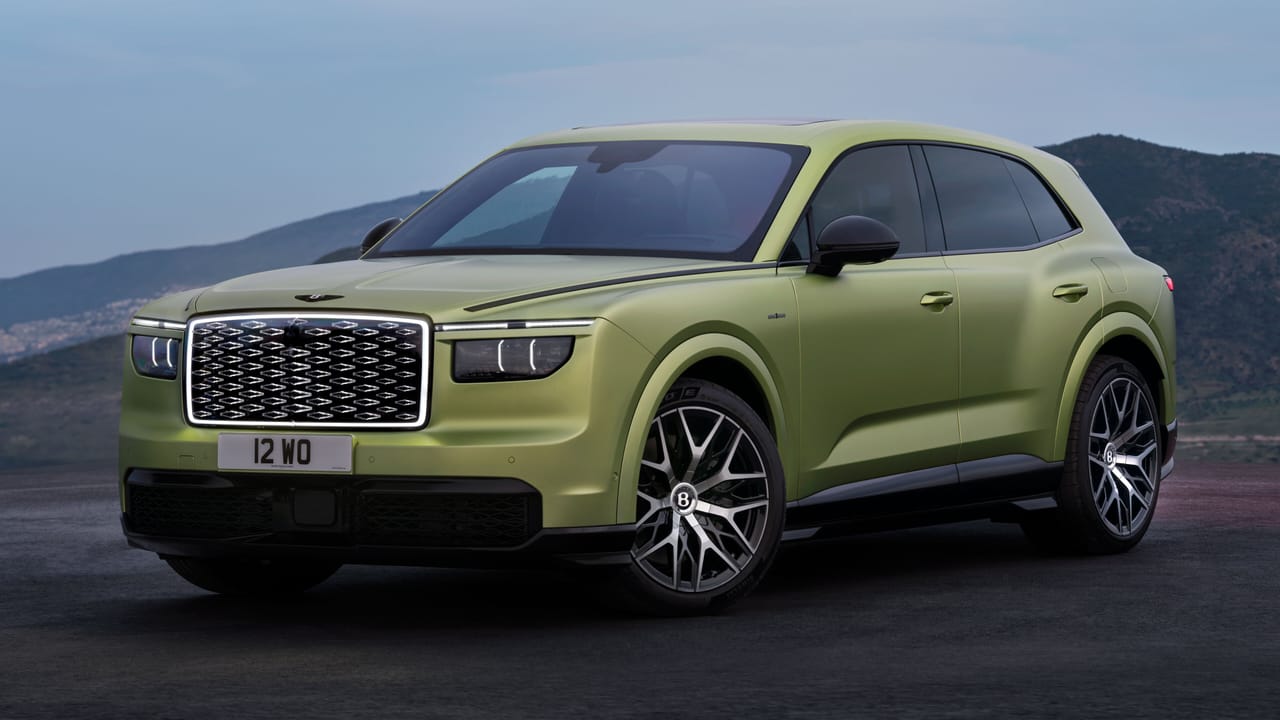
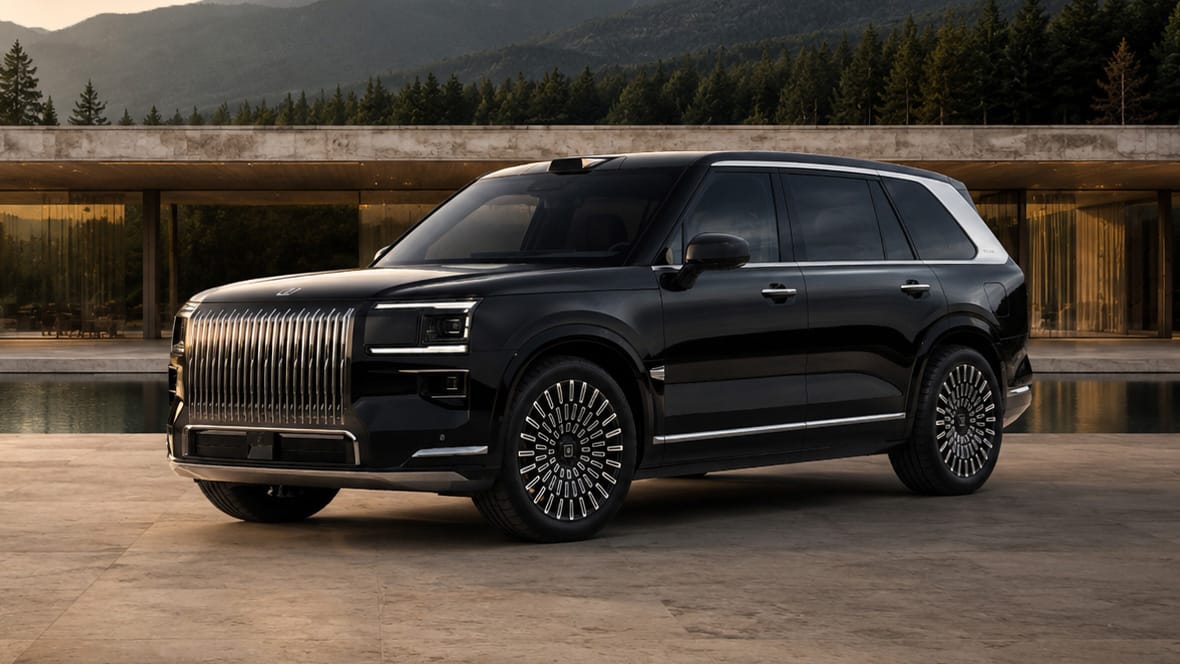
Paris revealed that luxury, long the trump card of the European automotive elite, is about to become commoditized as China’s automakers race upmarket. “It’s incredible,” designer Fabrizio Guigiaro said after watching the reveal of the Zeekr 9X, an imposing Range Rover–sized SUV with a sophisticated hybrid powertrain, an interior that could almost belong in a Bentley, and a price tag lower than a Cadillac Escalade IQL. “That,” he said, pointing to the near-empty Mercedes-Benz stand across the aisle, “is last century. This,” he said with a nod at Zeekr’s stand, “is next century.”.
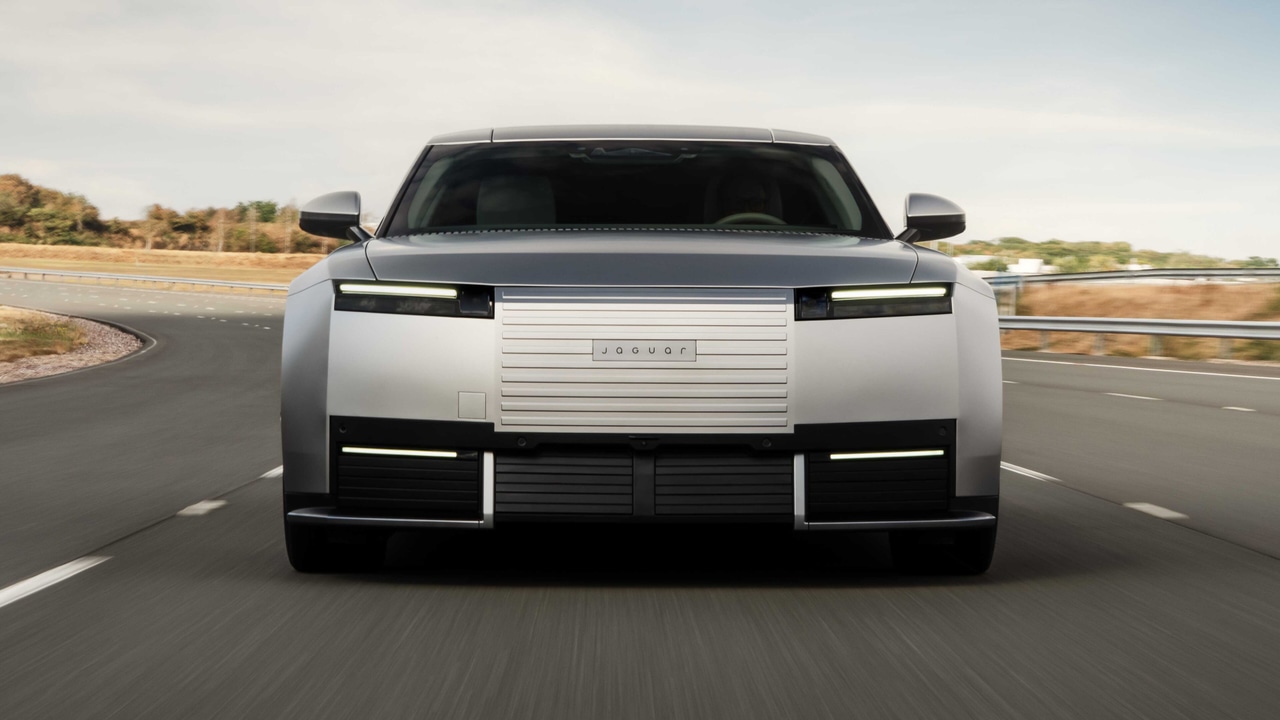
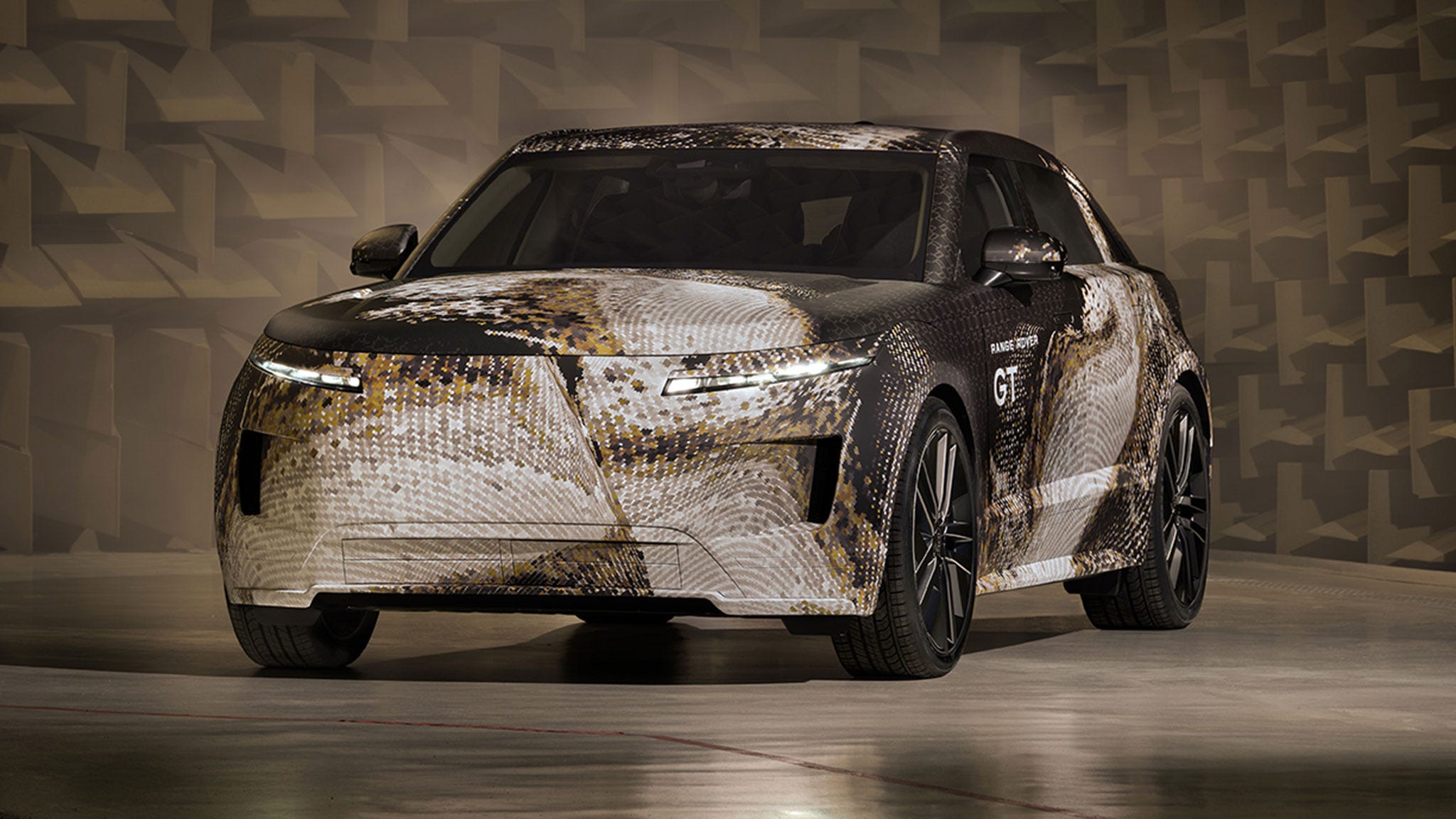
Perhaps. Among the notable absentees from the Paris show were BMW and Jaguar Land Rover. CEO Milan Nedeljkovic pulled BMW out of the show to cut costs after the company issued a profit warning in July because of the Middle East war and … a 30 percent downturn in China sales. JLR was never coming to Paris; the company has decided to eschew auto shows in favor of more direct consumer marketing. As a result, it missed an opportunity to make the Jaguar Type 01—a car still seen in the metal by relatively few people—one of the show’s stars. For most of the other legacy automakers, Paris seemed an almost plaintive affair, their relatively modest stands seemingly aimed at simply reminding people that despite all the noise from the Chinese brands, they were still in the car business. But there were signs of fight from some European automakers.
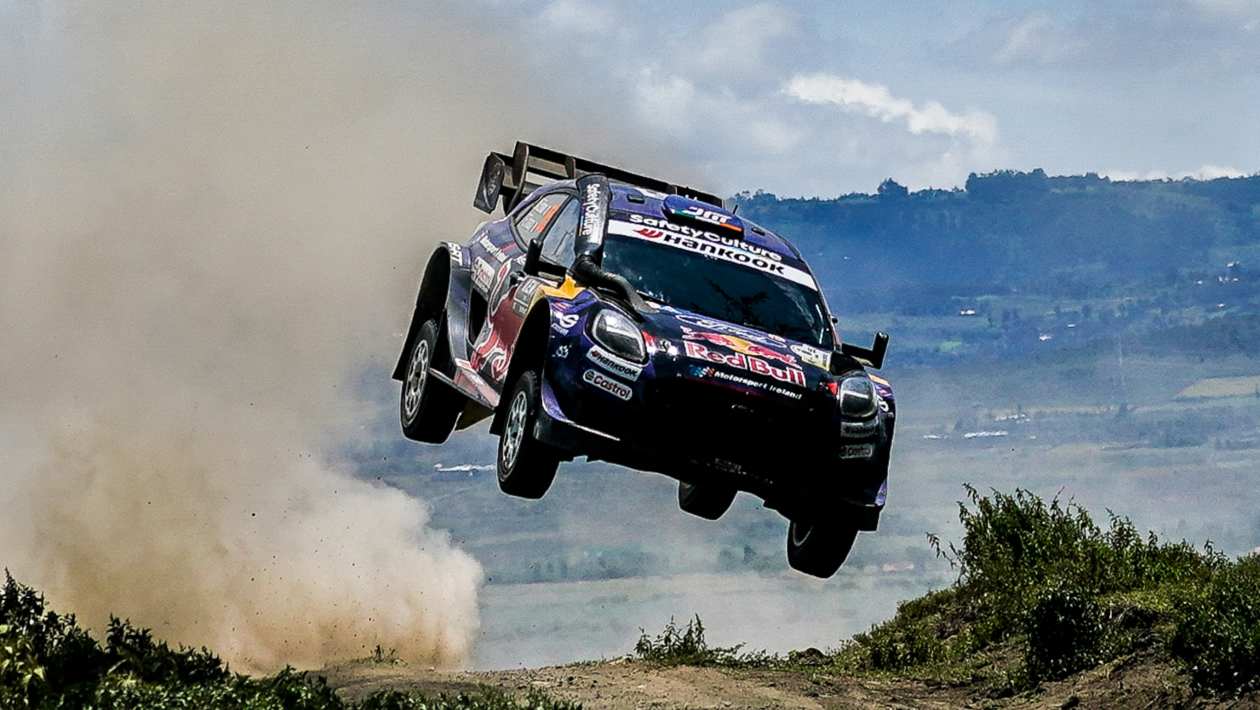
Volkswagen amped up the launch of the ID.Tiguan, the good-looking electric-powered SUV that will replace the lumpen ID.4 in the U.S., while Audi showed its retro-inspired A2 E-Tron. Center stage on Ford’s stand was an array of historic Ford rally cars arranged around a replica of Max Verstappen’s Ford-partnered Red Bull Formula 1 car. These were props to support a new marketing tagline, “Ready, Set, Ford.” Along with a promise that five new European Ford models to be launched by 2029—a B-segment electric hatchback built on Renault’s AmpR architecture, a compact electric crossover, two multienergy midsize crossovers that would be available with hybrid or pure electric powertrains, and a downsized, plug-in hybrid variant of the Bronco—will have “rally-bred” performance and handling.
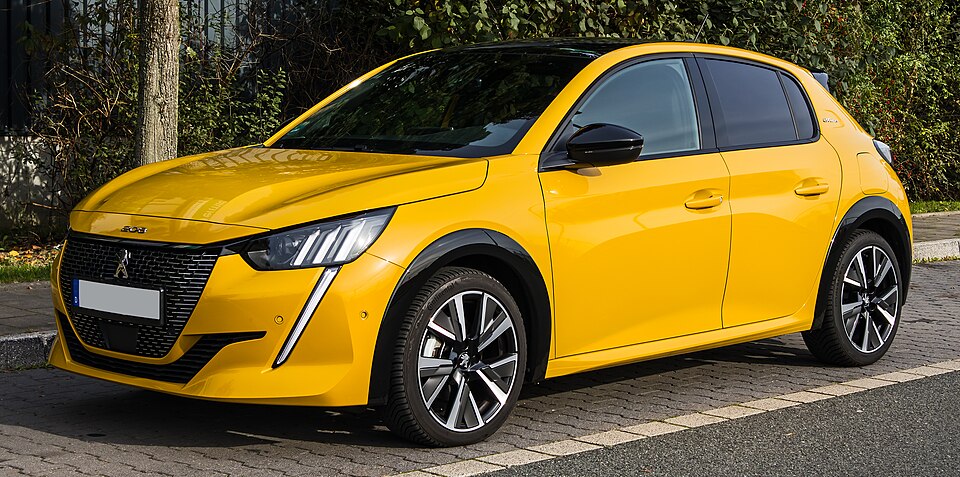
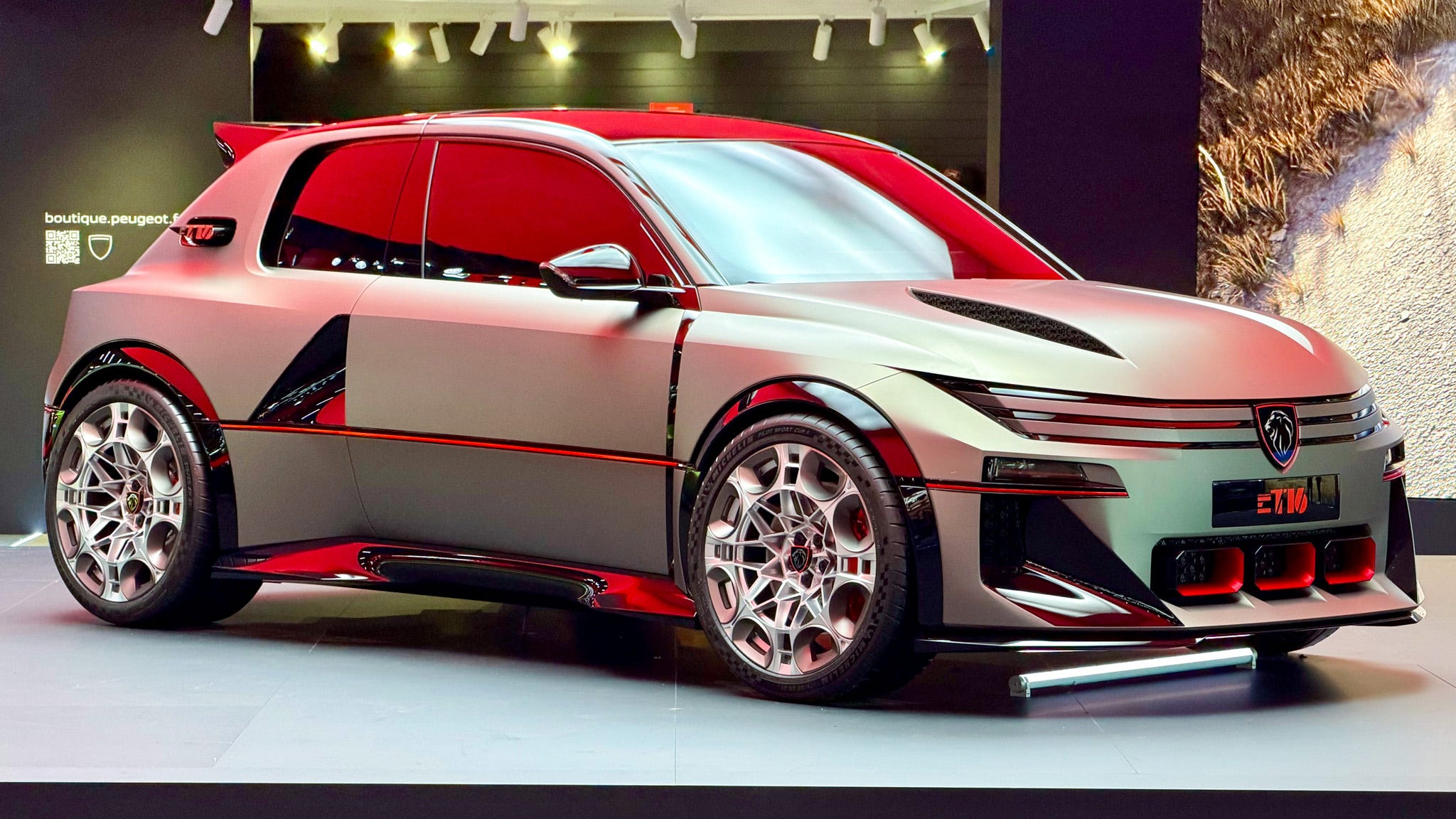
Ford’s European strategy is clearly designed to establish a key point of differentiation between the Blue Oval’s products and those of Chinese makers Geely, BYD, and SAIC, among others. But without cars that showed what its “rally-bred” tagline means, it remained to most Paris show attendees a nebulous idea. On the Renault Group stand, however, and the stands of Stellantis’ mainstream European brands, a string of stunning concepts, a lineup that in terms of their quality and quantity rivaled the glory years of the Geneva and Detroit auto shows, signaled that some of Europe’s automakers are now taking the Chinese threat very seriously.
“We’re really focused on reigniting that passion, that love affair with cars,” Stellantis design boss Ralph Gilles said of the concepts on the Alfa Romeo, Citroën, DS, Fiat, Lancia, Opel, and Peugeot stands. He believes Stellantis’ brands can deliver something Chinese automakers have yet to figure out, namely, how to build vehicles with distinctive design and character that reinforces their backstories. “I can’t tell them apart,” he said of the Chinese cars and SUVs on display in Paris. “We want to reaffirm our brands’ individual directions and change up their form factors. None of our cars look alike. They all have their own mission.”.
Yes, the Chinese have arrived in Europe, and Europe’s automakers are worried. But the 2026 Paris auto show may be remembered as where Europe began to think seriously about fighting back and where the battle lines between the two automotive cultures were drawn. Against that background, here are some of the cars that caught our eye in Paris.
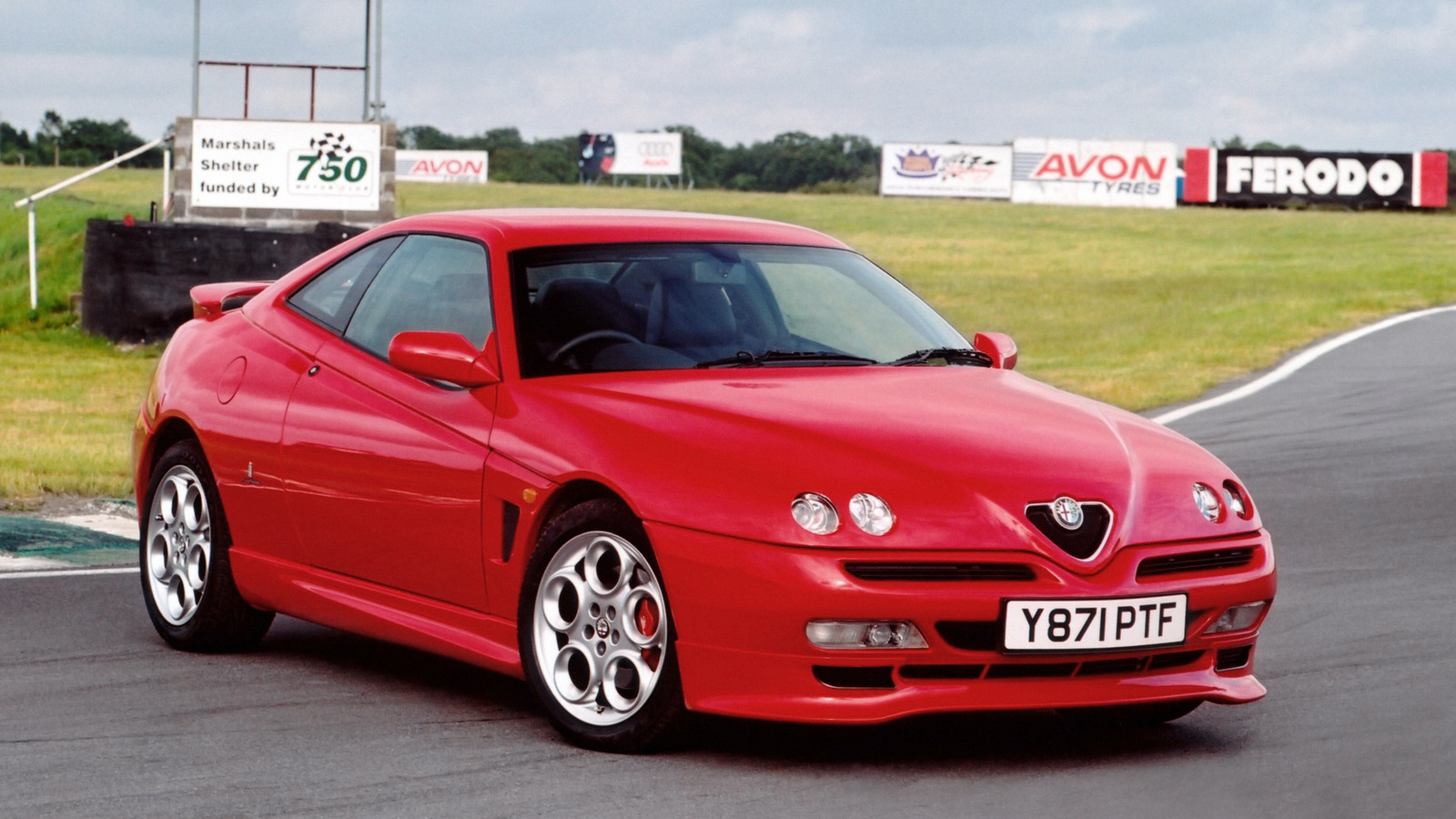
Designed by Alejandro Mesonero, the Cuorerosso (Red Heart) shows what future Alfa Romeos should be like, Gilles said. In other words, a physical expression of the passion and performance that despite often egregious exploitation (we’re looking at you, Tonale) has long made Alfa one of Italy’s most loved brands. The Cuorerosso is designed around a revised version of the Giorgio Sport platform that underpins Maserati’s GranTurismo and GranCabrio, so it’s rear-wheel drive. Under that flamboyant exterior is a resolutely driver-focused car, to the point that the Cuorerosso has no screens in its interior. A production version, which would be powered by a twin-turbo hybridized version of Alfa’s 2.9-liter V-6, would look very similar, Gilles said. “The Georgio Sport’s a great chassis, and this was about how lean of a vehicle could we make on top of that chassis.”.
Why It Matters
In other words, a physical expression of the passion and performance that despite often egregious exploitation (we’re looking at you, Tonale) has long made Alfa one of Italy’s most loved brands.
CarMotion Daily’s Take
Of the 21 automakers with vehicles on display at this year’s Paris auto show, 11 of them were Chinese. The detail bears tracking. Supply chains, regulations, and consumer demand are reshaping the playbook faster than five-year plans can keep up. Dealer networks and service capacity will need to evolve alongside whatever the headline announcement implies. Regulatory filings, supplier contracts, and any production-volume adjustments usually trail the headline by a quarter or two. Stock price moves and dealer council chatter are leading indicators worth monitoring.
📝 Source & Copyright Notice
This story was first reported by MotorTrend. For the full article with original photography and complete coverage, visit the source: Read the full story at MotorTrend →