The Story
Whether we’re talking about the U.S. chicken tax, modern tariffs, or the last several decades of emissions rules, the pickup segment is beset on all sides by government influence. Some would even go so far as to call it overregulated — something which was arguably done to protect domestic automakers at the expense of the free market. Opinions vary on whether this was a wise decision. One certainly wants to root for the home team whenever possible and pickup sales don’t appear to h.
Report: GM Allegedly Pumping The Breaks On Full-Size EVs Connie Peters Drives The 2026 Ford Explorer Tremor Chinese Vehicle Content Rules Forcing Polestar Out of U.S. Next Year See Edits News Blog Trucks Government 1.8K Views Opinion: The Pickup Segment Has Been Overregulated For Years by Matt Posky (IC: employee) Published: August 25th, 2026 Share.
Whether we’re talking about the U.S. Chicken tax, modern tariffs, or the last several decades of emissions rules, the pickup segment is beset on all sides by government influence. Some would even go so far as to call it overregulated — something which was arguably done to protect domestic automakers at the expense of the free market.
Opinions vary on whether this was a wise decision. One certainly wants to root for the home team whenever possible and pickup sales don’t appear to have suffered much over the last several decades. But we have seen diminished variety until fairly recently and there’s a sense that full-sized trucks may have achieved market saturation due to elevated pricing.
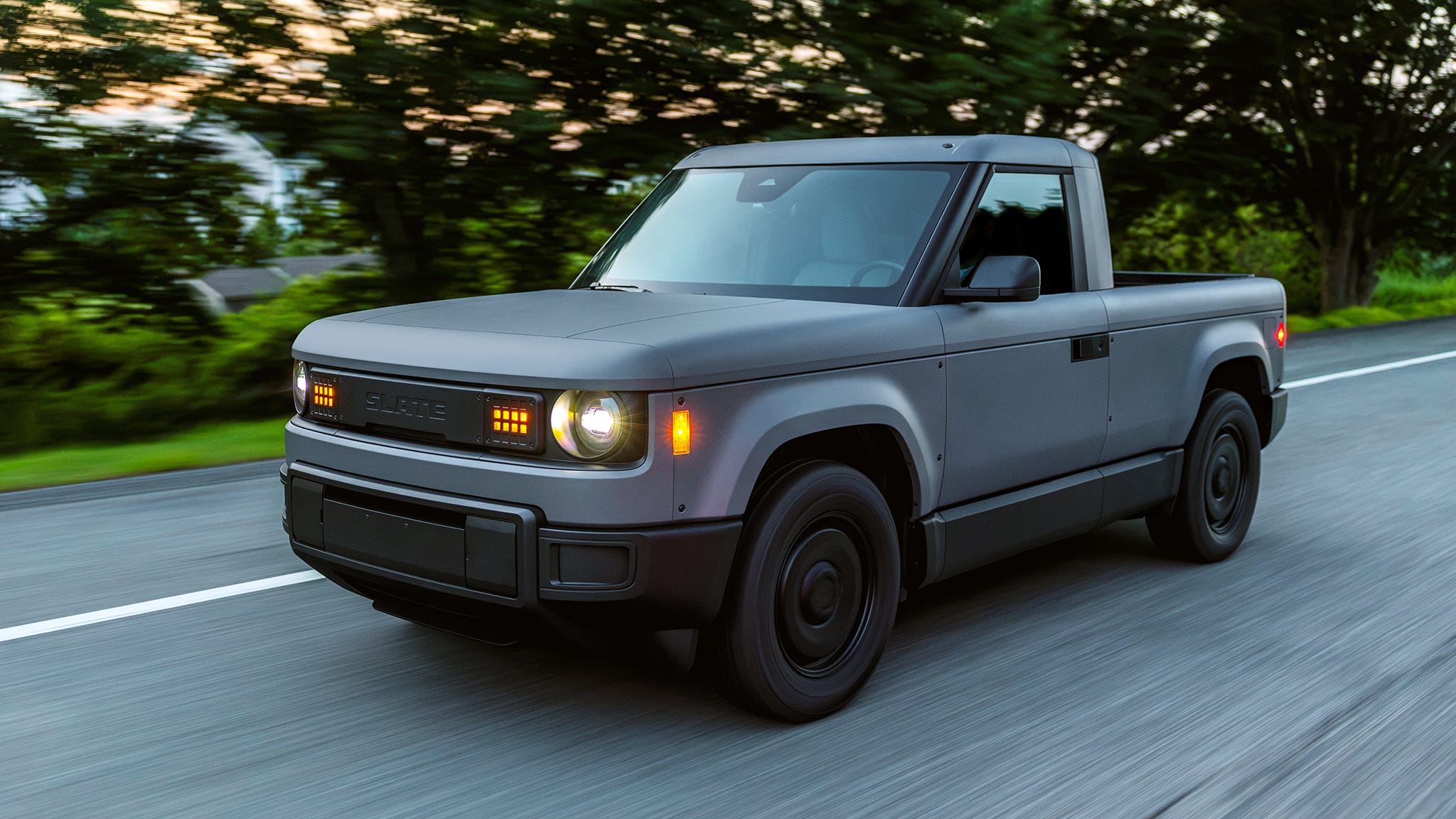
With several smaller truck models rumored on the horizon, it feels like the segment could be in for some meaningful shakeup. However, many of the political decisions that forced American trucks down the narrow path are still in effect — calling into question what’s actually feasible.
Let’s take a look at where we are before we start to break down where we’ve been, let alone pontificate about where trucks might be going. The whole concept of the pickup truck has been muddled over the years. Formerly serving the domestic workhorse, full-size trucks have more-or-less evolved to replace luxury sedans. Land yachts died with the Ford Crown Victoria in 2011. Manufacturers were pivoting to SUVs, which boasted larger profit margins, and gradually started marketing them less for their utilitarian aspects and more for their grandeur. They were becoming the new luxury cars and pickup trucks had already been trending in the same direction.
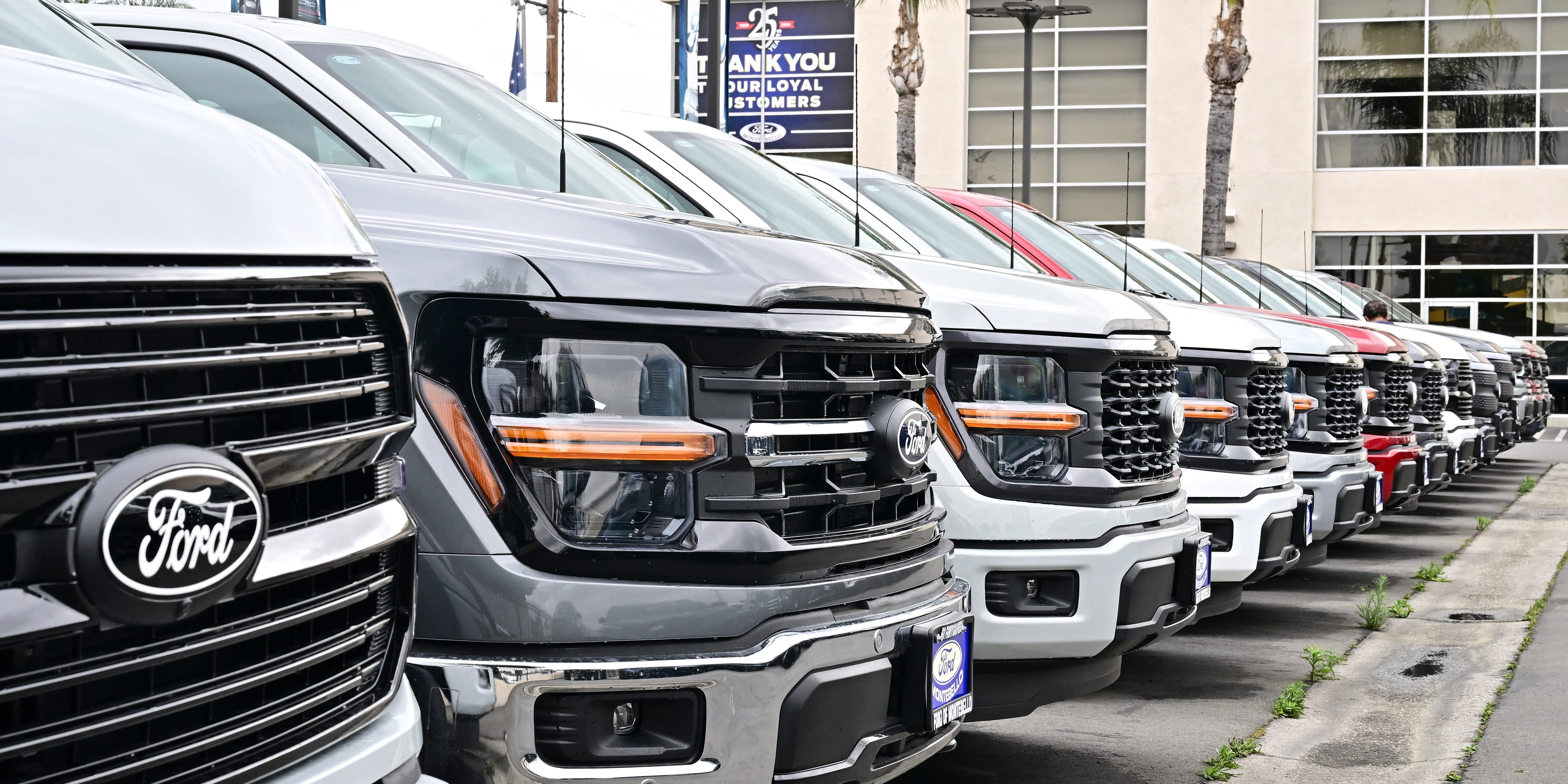
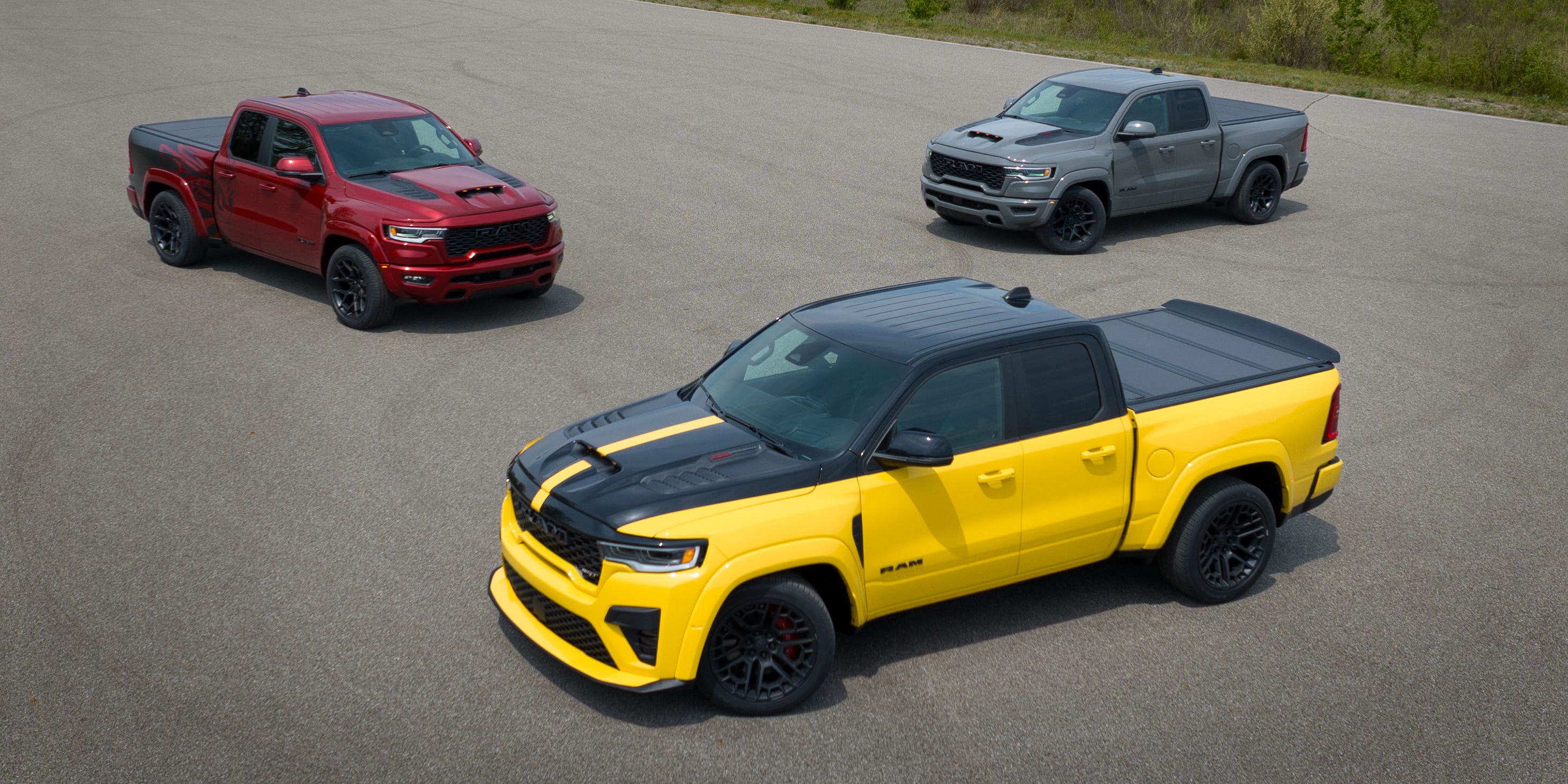
While automakers still field base-trimmed models today, they’re often reserved for fleet sales. Meanwhile, you can find those same models in showrooms with six-figure price tags decked out with every feature imaginable. Low-option trucks are often hard to come by on dealer lots, functionally nullifying the concept of there even being a starting MSRP. Despite being larger than ever before, many full-size models have moved away from the simple motors of their predecessors to embrace smaller and more-complex powertrains. Beds are also smaller than they used to be thanks to the normalization of crew cabs. Trucks have clearly moved away from being almost comically basic working vehicles. In many cases, they’re now more mechanically and electronically complex than the typical sedan — albeit equipped with beefier hardware and added capabilities.
But it’s rare to see that functionality being tapped into by their drivers. Despite being optimized for towing/hauling, studies have shown that most of the people who own pickups don’t really use them for their intended purpose. Market analysts estimate that most drivers (over 70 percent) don’t even tow something once per year. While the truck bed does see more regular use, around 35 percent of owners still won’t bother using them over a 12-month period.
We’ve also seen a massive uptick in companies offering specialized off-road packages for pickups. They sell extremely well, often at a significant markup. But the vast majority of customers will never stray from flat-paved surfaces because they’re primarily interested in purchasing a status vehicle that makes them feel invincible. There’s nothing inherently wrong with this. Modern pickups (especially full-size models) are spacious and remain comfortable on roads where potholes have become an issue. For many drivers, they make a solid alternative for the now-absent American land yacht. But they’ve also abandoned a demographic of drivers that just wants an affordable knock-around vehicle that can still do truck things.
At the same time, drivers would begin to embrace smaller pickups in an effort to save fuel. Downsized trucks from Datsun/Nissan were already fairly popular with tradesmen working in densely populated areas. They would eventually be followed by the legendary Toyota Hilux, which wasn’t even given a proper name by the automaker for our market, and the Mazda B-Series. But other brands would rush the segment during the fuel crisis and it seemed like practically every automaker had a micro truck on offer by the 1980s.
Dodge had the D-50, Plymouth had the Arrow, Ford had the Courier, Chevrolet had the LUV, Mazda had the B2000, and Subaru had the BRAT. Even Volkswagen had a pickup that was based on the Golf/Rabbit. Subsequent models included the original Ford Ranger, Chevrolet S10, GMC Sonoma, Mitsubishi MightyMax, Dodge Rampage, and the Plymouth Scamp.
Why It Matters
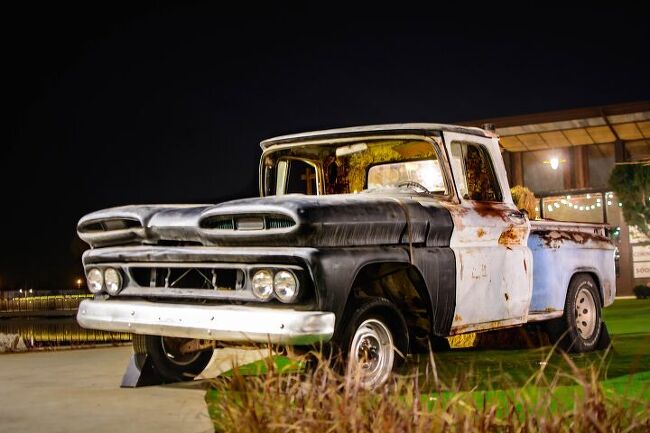
While automakers still field base-trimmed models today, they’re often reserved for fleet sales.
CarMotion Daily’s Take
Next Year See Edits News Blog Trucks Government 1.8K Views Opinion: The Pickup Segment Has Been Overregulated For Years by Matt Posky (IC: employee) Published: August 25th, 2026 Share. Watch this space over the coming weeks. Supply chains, regulations, and consumer demand are reshaping the playbook faster than five-year plans can keep up. Dealer networks and service capacity will need to evolve alongside whatever the headline announcement implies. Regulatory filings, supplier contracts, and any production-volume adjustments usually trail the headline by a quarter or two. Stock price moves and dealer council chatter are leading indicators worth monitoring.
📝 Source & Copyright Notice
This story was first reported by TTAC. For the full article with original photography and complete coverage, visit the source: Read the full story at TTAC →