The Story
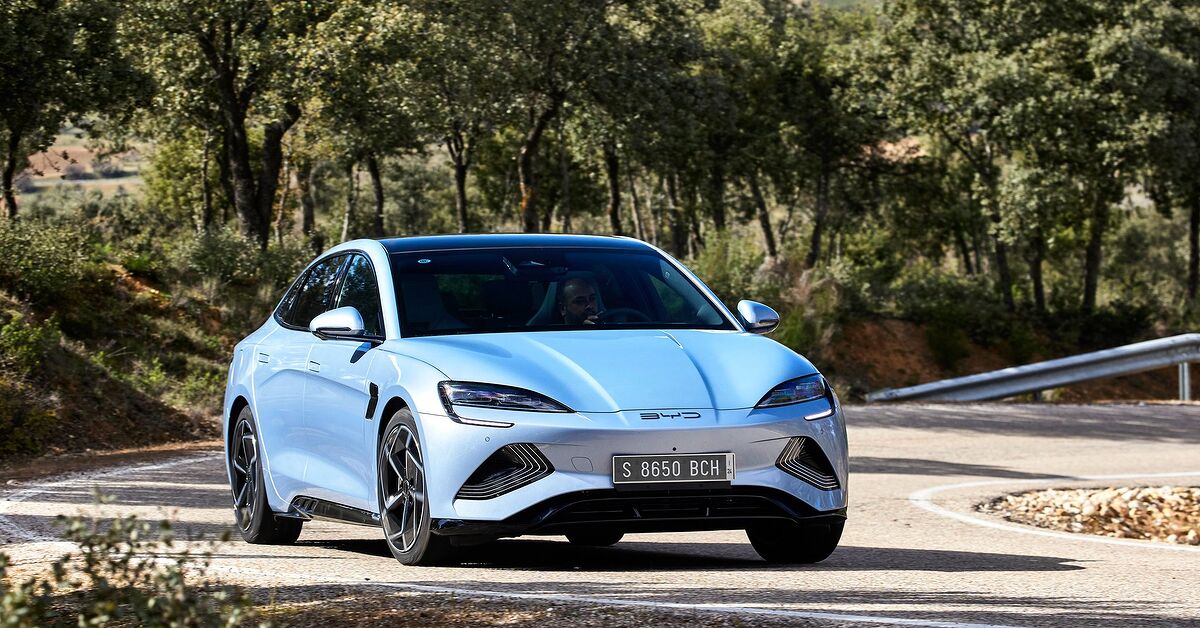
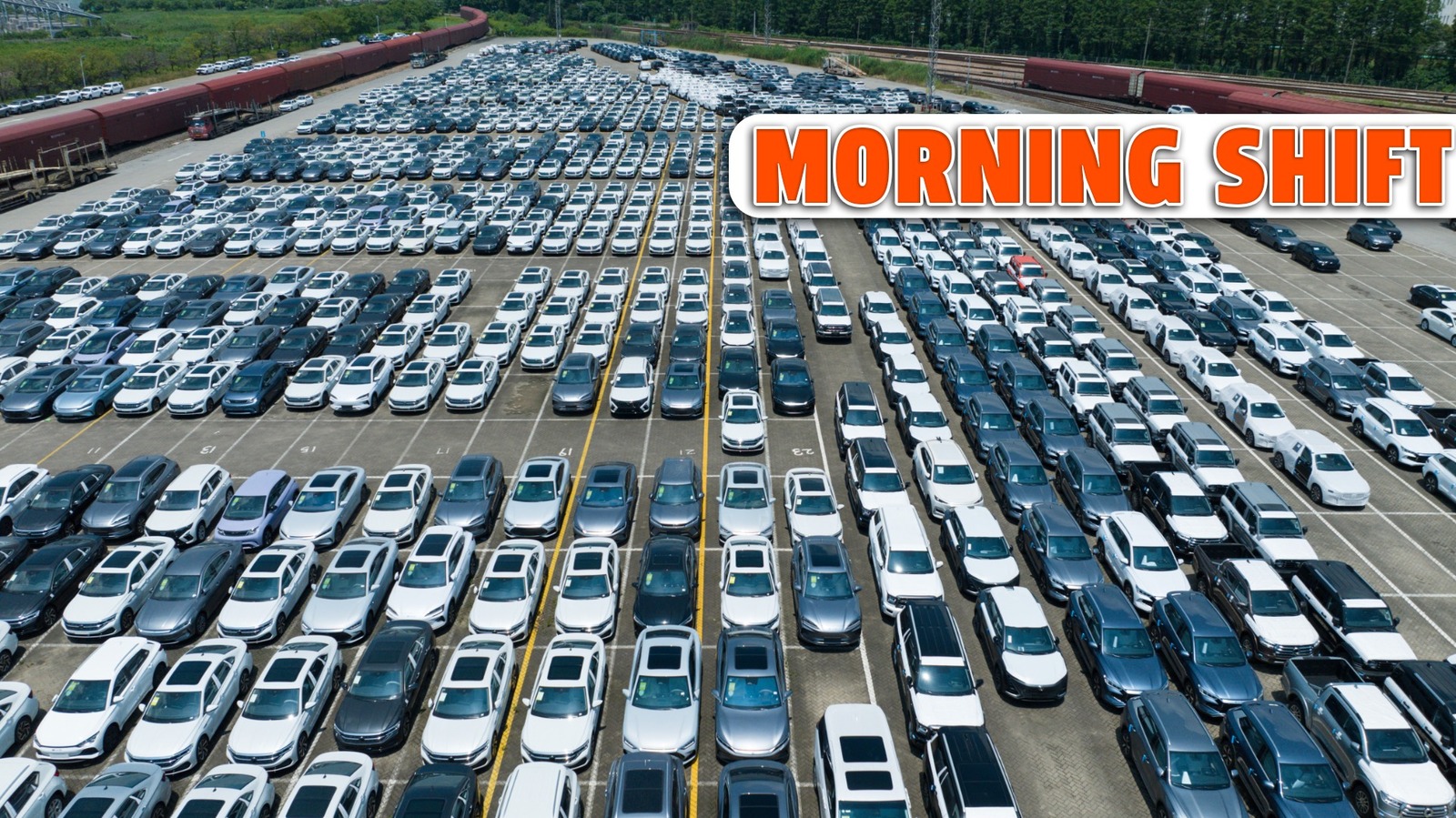
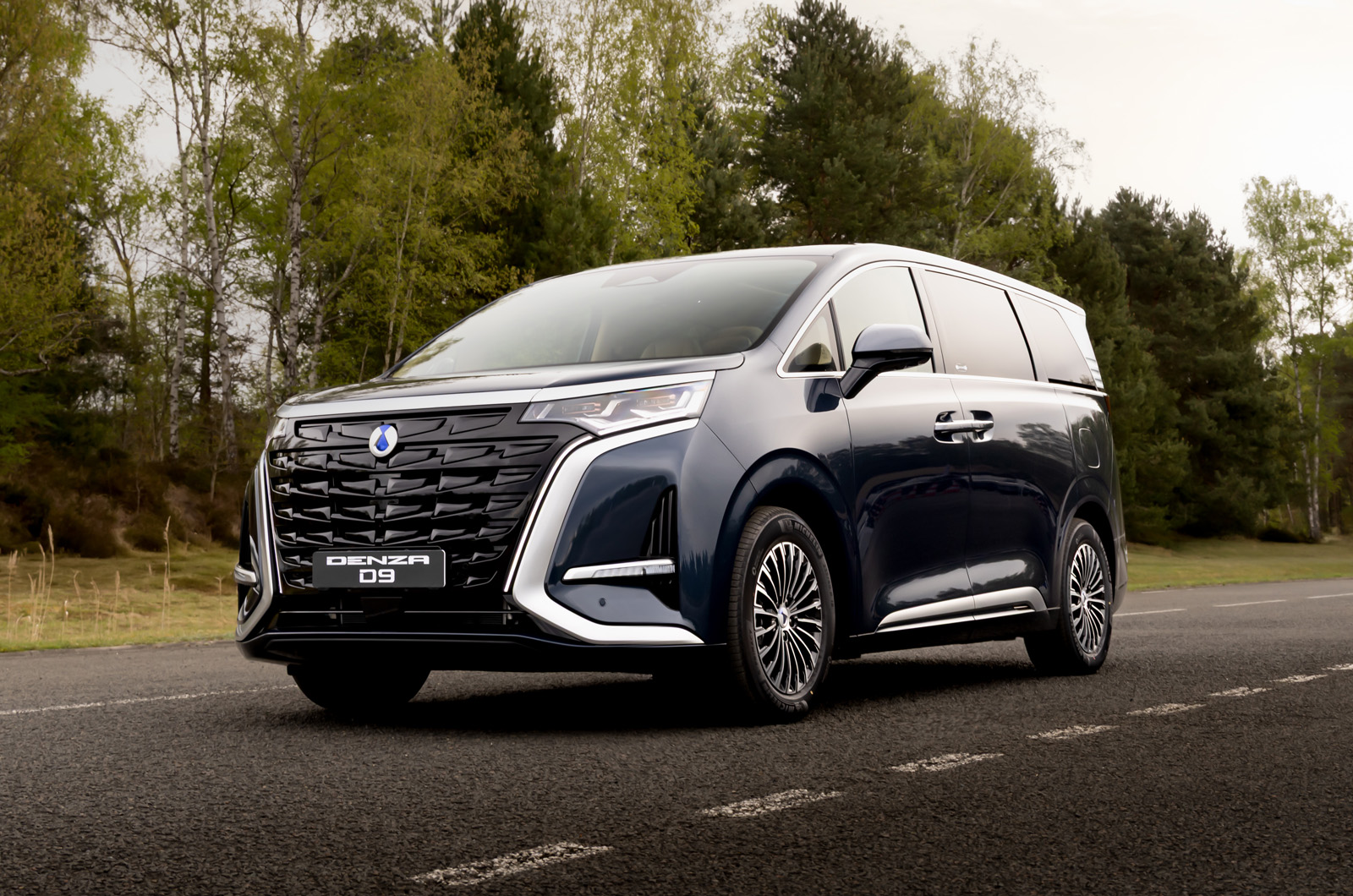
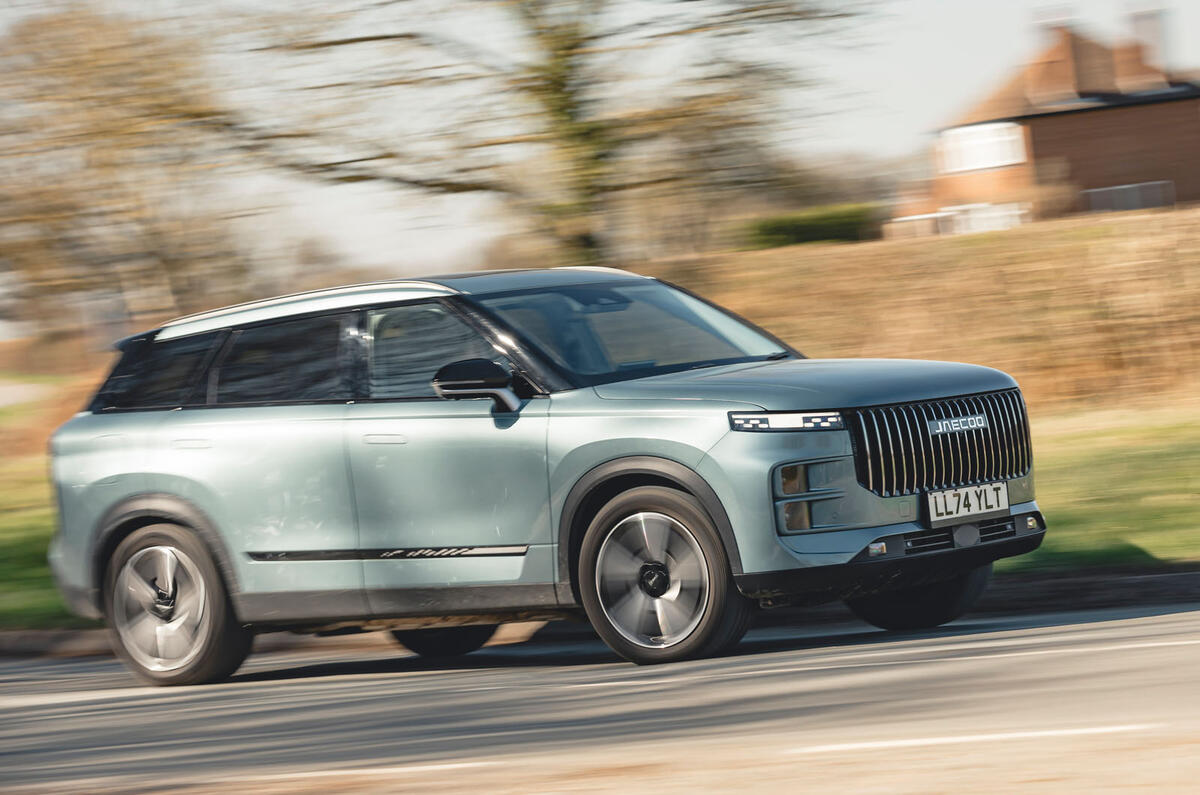
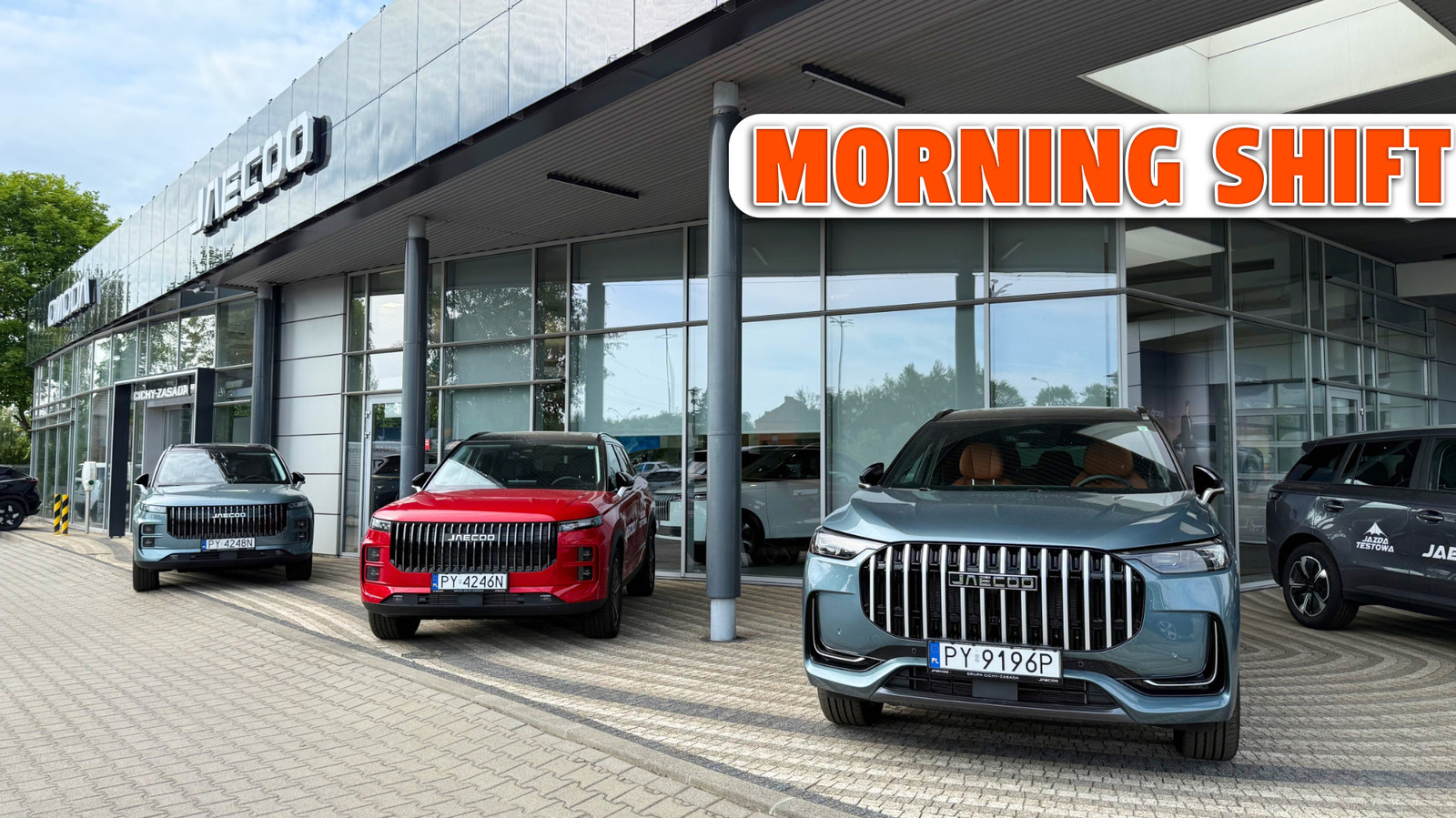
The European Union has been debating new local-content rules designed to boost domestic manufacturing, but Chinese automakers have already circumvented the potential restrictions by establishing factories and supply chains across the continent. According to reporting from Reuters, while Europe continues to work through the legislative process, Chinese manufacturers are pressing ahead with localization plans, expanding their manufacturing and supplier networks in Europe before any new requirements have been finalized.
The timing is particularly significant given the current challenges facing Chinese automakers in their home market. The world’s largest auto market is experiencing an EV price war and slowing sales, prompting Chinese manufacturers to view Europe as a critical growth opportunity. Rather than waiting to see what regulations emerge from Brussels, these companies have chosen to establish European production facilities that will allow them to circumvent any potential tariffs or trade barriers.
The situation presents a somewhat paradoxical outcome for the EU. While the bloc hopes that new local-content rules will create jobs and strengthen domestic manufacturing, the influx of Chinese OEMs is likely to stem job losses rather than create new positions. This is because European domestic automakers have been downsizing, and the arrival of Chinese manufacturers will primarily fill existing capacity rather than expand it.
A concrete example of this dynamic can be seen in Stellantis. The automaker is not utilizing all of its production capacity in European facilities but has no plans to shutter factories. Instead, the company is bringing Chinese partners into its factory spaces to keep operations running. CEO Antonio Filosa and the head of Stellantis’ Europe region, Emanuele Cappellano, explained that partnership agreements with China’s Leapmotor and Dongfeng could help fill those plants, along with new products from the low-cost E-Car program that will bring three models to the Pomigliano factory in Italy.
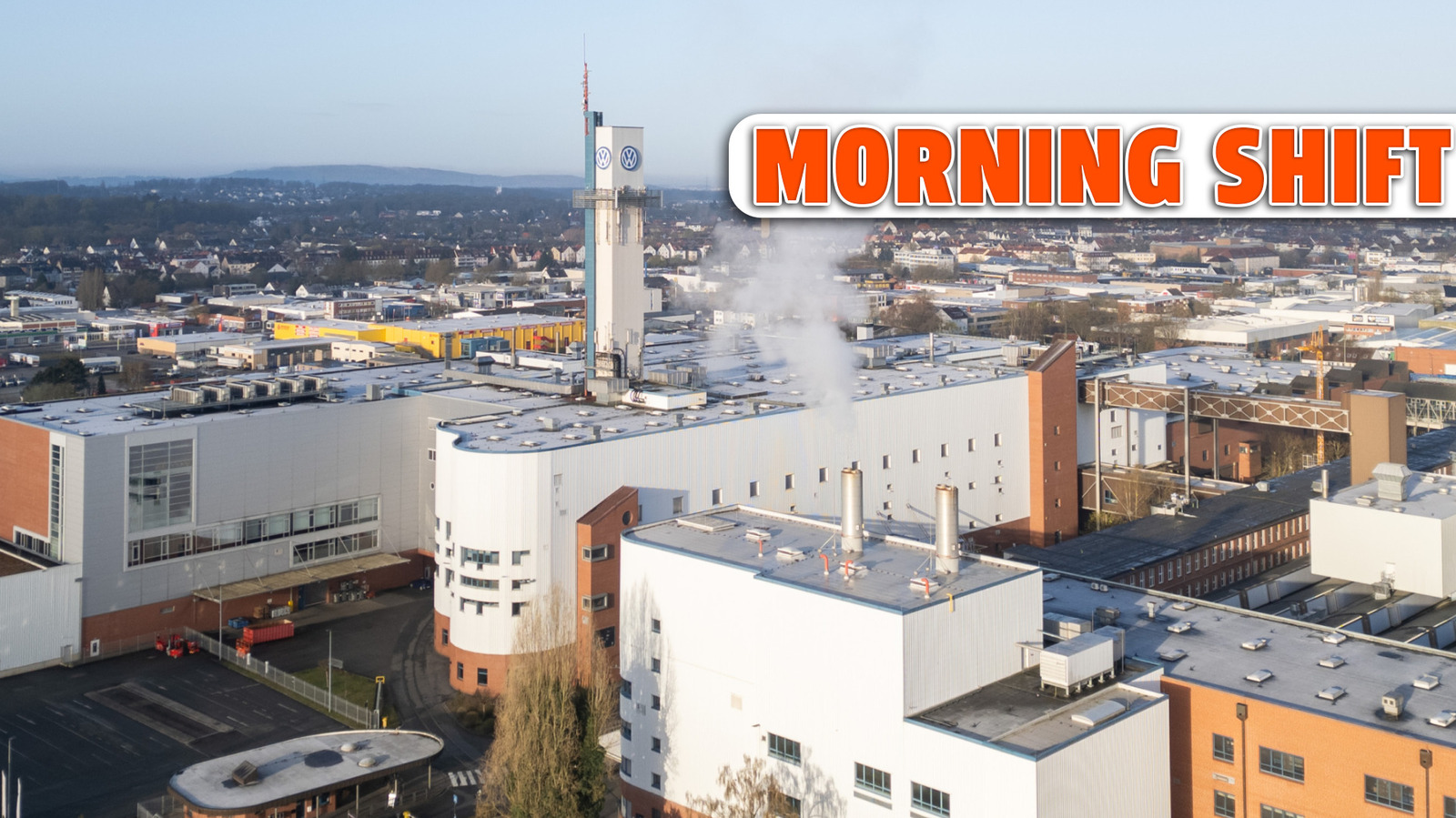
This strategy stands in stark contrast to the approach being taken by Volkswagen Group, which is moving to shut four of its own factories and cut jobs. The two approaches carry different risks and rewards. Stellantis maintains its production facilities and likely generates revenue from hosting Chinese tenants, but simultaneously allows its competition to build tariff-free vehicles on its property. Volkswagen is scaling down in a way that may prove difficult to recover from, though it avoids strengthening its competitors in the process.
In other automotive news, General Motors is facing significant challenges in the Chinese market. The company’s deliveries in China slumped 24 percent in the July-September quarter, marking a fourth consecutive quarter of decline. Overall demand has faltered due to China’s lackluster economy, elevated fuel prices, and a new sales tax on electric vehicles. GM’s sales in the world’s largest auto market dropped to 358,000 vehicles in the quarter, and the automaker chalked up a 21 percent decline for the first nine months of the year, falling to around 1.07 million vehicles. The quarterly result was nearly flat compared to the 357,000 vehicles sold in the April-June period.
Meanwhile, Uber is losing a key executive in its autonomous vehicle division. Sarfraz Maredia, who has been with the company for more than 12 years and oversees global autonomous efforts across ride-hailing and delivery, will depart next month. According to an Uber spokesperson, Maredia is leaving to pursue a top executive role at an undisclosed company outside of the transportation industry entirely. His last day at Uber will be November 16.
Why It Matters
The rapid expansion of Chinese automakers into European manufacturing represents a significant shift in the global automotive landscape. The EU’s intention to implement local-content rules was designed to protect domestic jobs and manufacturing capacity, but
📝 Source & Copyright Notice
This story was first reported by Jalopnik. For the full article with original photography and complete coverage, visit the source: Read the full story at Jalopnik →